
Desserts
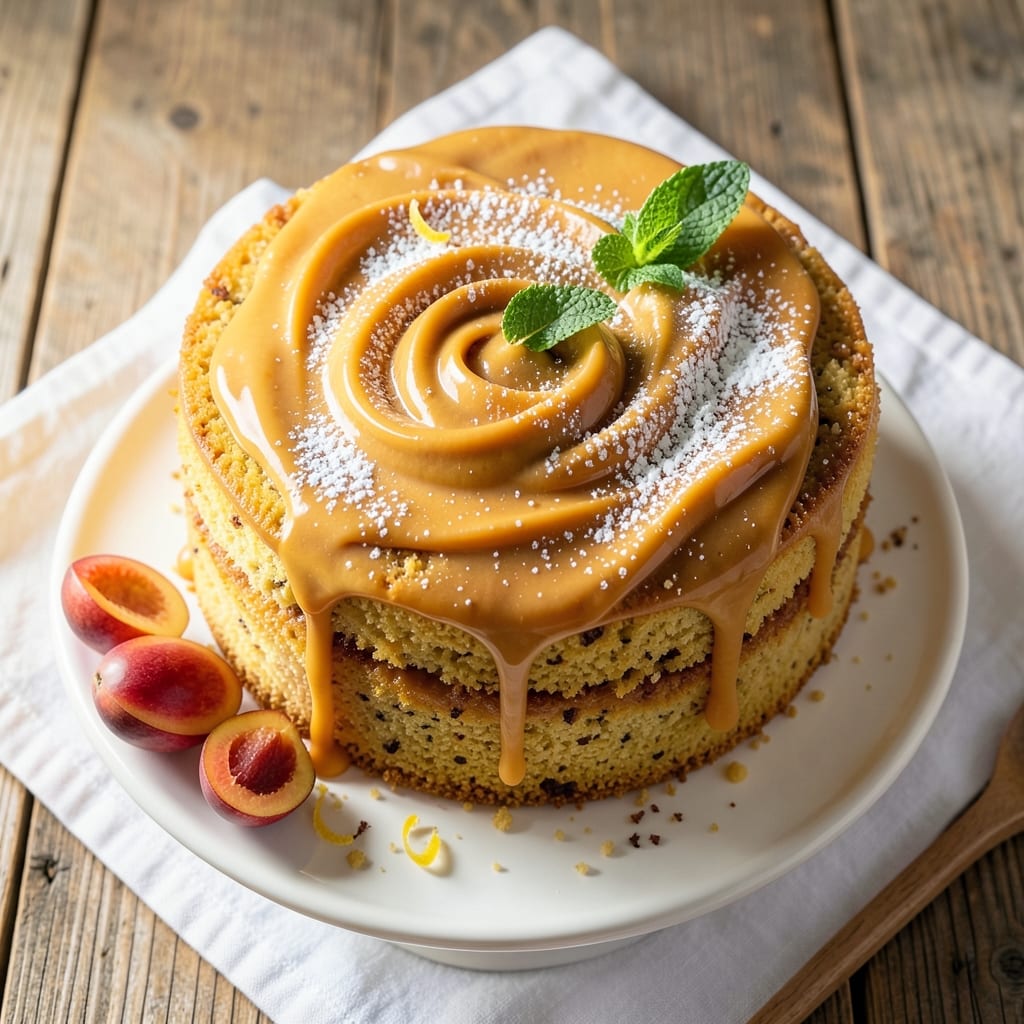
This Alphonso mango cake delivers a perfect balance of golden crust and ultra-moist fruit layers, where every bite reveals the rich, velvety sweetness of premium Alphonso mango. The secret lies in blending ripe mango puree directly into the batter, ensuring vibrant color and a tender crumb that stays moist for days. What sets this recipe apart is the careful ratio of butter to sugar, which creates a delicate texture while preventing dryness—a common pitfall in fruit cakes.
The cake begins with a simple yet precise method: whisking eggs with sugar until pale and fluffy, then folding in mango puree and melted butter for a silky batter. A light dusting of cornstarch in the flour mixture guarantees a tender crumb, while baking at a moderate temperature ensures even cooking without over-browning. The result is a cake with a crisp golden exterior and a soft, almost custard-like interior infused with mango flavor.
Once baked, the cake develops a subtle caramelized aroma that fills the kitchen, signaling its readiness. Serving it warm with a dusting of powdered sugar or chilled with a drizzle of honey elevates the experience, making it equally perfect for afternoon tea or a celebratory dessert. The contrast between the golden crust and the vibrant mango layers creates a visually stunning dish that’s just as impressive as it is delicious.
For those who love fruit cakes but dread dryness, this recipe guarantees a moist, flavorful dessert that stays fresh for up to five days when stored properly. The Alphonso mango’s natural sweetness reduces the need for excessive sugar, keeping the cake balanced and true to its origins. Let’s get started on creating this timeless treat.
Ingredients for alphonso mango cake
Golden crust meets velvety mango layers—these 12 ingredients create a cake that stays moist for days.
| Ingredient | Amount | Notes |
|---|---|---|
| Alphonso Mango Puree 🍈 | 1 ½ cups | Freshly blended from ripe Alphonso mangoes |
| Unsalted Butter 🧈 | 1 cup | Cold, cubed for creaming |
| Granulated Sugar 🍚 | 1 ½ cups | White or light brown preferred |
| Large Eggs 🥚 | 4 whole | Room temperature for best mixing |
| All-Purpose Flour 🌾 | 2 cups | Sifted, plus extra for dusting |
| Cornstarch 🥫 | ¼ cup | For ultra-tender crumb |
| Baking Powder 🧂 | 1 ½ tsp | Aluminum-free preferred |
| Salt 🧂 | ½ tsp | Fine sea salt |
| Vanilla Extract 🌿 | 1 tsp | Pure Madagascar preferred |
| Powdered Sugar 🍚 | ½ cup | For dusting and frosting |
| Lemon Juice 🍋 | 1 tbsp | Freshly squeezed |
| Almond Extract 🌿 | ¼ tsp | Optional, enhances flavor |
The Alphonso mango puree is the heart of this cake, so quality matters. Look for ripe, vibrant mangoes at Whole Foods or your local Indian market—their sweetness cuts sugar needs. For butter, Plugrá or Land O'Lakes work perfectly, but avoid salted. The eggs should be large, not extra-large, to maintain proper structure. If you can't find fresh Alphonso mangoes, Haden or Tommy Atkins work in a pinch, though the flavor will differ slightly. Sift your flour and cornstarch together for a light, airy texture—King Arthur flour is my go-to for baking.
No vanilla extract? Vanilla bean paste works beautifully, or a pinch of ground vanilla bean. Short on almond extract? Skip it entirely—the cake will still be delicious. For the sugar, turbinado or demerara can replace half the granulated sugar for a subtle caramel note. The baking powder should be fresh—if it's over a year old, replace it completely. Lemon juice can be substituted with lime juice at the same amount, though the flavor will shift slightly. If you're concerned about dryness, add an extra 1/4 cup of mango puree to the batter, but reduce another liquid slightly to maintain balance.
This cake keeps beautifully—5 days at room temperature wrapped in plastic, or 1 week refrigerated. For longer storage, slice and freeze portions for up to 3 months. The mango puree can be made ahead and stored in the fridge for 5 days or frozen for 3 months. When serving, dust with powdered sugar or a drizzle of honey for that restaurant-quality finish. The cake reheats wonderfully—30 seconds in the microwave restores its warmth and soft texture.
Why You'll Love This Recipe
- No Puree Waste: That jar of Alphonso mango puree? You’ll use every last drop—no sad leftover pulp in your fridge. The recipe balances it perfectly with butter and sugar, so the flavor shines without turning gummy or overpowering.
- One-Bowl Magic: Mix, pour, bake. That’s it. No fancy layers or tricky techniques—just creamy mango puree folded into a simple batter, then a single bake. My lazy Sundays thank me for skipping the fuss.
- Summer’s Crowd-Pleaser: This cake disappears at picnics, potlucks, or even a quick office dessert tray. The golden crumb and sweet-tart mango notes make it feel special, but honestly? It’s the kind of thing people will ask for the recipe after the first slice.
- Budget-Friendly Luxury: Rich but not expensive—just butter, sugar, and a few eggs stretch into a dessert that tastes like a bakery treat. Leftovers? They keep well for days, so you’re not scrambling to bake again next week.
Step-by-step instructions for Alphonso mango cake
This method delivers a perfectly balanced cake with a golden crust and ultra-moist mango layers every time.
Prepare the Mango Batter
In a large mixing bowl, combine the 1.5 cups Alphonso Mango Puree, 1.5 cups Granulated Sugar, and 1 tbsp Lemon Juice. Whisk until the sugar dissolves completely and the mixture is smooth. This step ensures even distribution of mango flavor throughout the cake.
In a separate bowl, beat the 4 whole Large Eggs until they're pale and slightly thickened—about 2-3 minutes with a hand mixer. This lightens the eggs for a tender crumb. Gradually add the egg mixture to the mango mixture while whisking continuously. The batter should be thick but pourable, with a vibrant golden hue from the mango.
I always add the 0.25 tsp Almond Extract at this stage for depth of flavor. Stir it in gently to avoid overmixing. The almond note complements the tropical sweetness beautifully without overpowering it.
Cream Butter and Mix Dry Ingredients
In the bowl of a stand mixer fitted with the paddle attachment, beat the 1 cup Unsalted Butter on medium speed until smooth and creamy—about 2-3 minutes. This step is crucial for creating air pockets that make the cake light and fluffy.
In a separate bowl, sift together the 2 cups All-Purpose Flour, 0.25 cup Cornstarch, 1.5 tsp Baking Powder, and 0.5 tsp Salt. Whisk to remove any lumps. The cornstarch gives this cake its signature ultra-tender texture that holds up to the moist mango layers.
With the mixer on low speed, gradually add the dry ingredients to the butter, mixing just until combined. Be careful not to overmix—you should still see some flour streaks. This prevents a tough cake texture.
Combine Wet and Dry Ingredients
Pour the mango-egg mixture into the butter mixture and mix on low speed for 1-2 minutes until just combined. The batter should be thick but smooth, with no visible flour streaks. Here's the thing—this is where the magic happens. The mango puree adds natural moisture while the cornstarch ensures the cake maintains its structure.
Add the 1 tsp Vanilla Extract and mix for 10 seconds to distribute the flavor evenly. The vanilla enhances the mango's natural sweetness without competing with it. For best results, use pure Madagascar vanilla extract—it makes a noticeable difference in flavor quality.
Bake to Golden Perfection
Preheat your oven to 350°F and grease two 9-inch round cake pans generously with butter, then dust with flour. Divide the batter evenly between the pans. Bake for 30-35 minutes until a toothpick inserted in the center comes out clean and the edges are golden brown. The cake should spring back slightly when pressed gently.
I always check for doneness at the 25-minute mark—every oven runs differently. The reason we bake at this moderate temperature is to ensure even cooking while developing that beautiful golden crust. If the top browns too quickly, tent the pans with foil after 20 minutes to prevent overbrowning.
Cool and Layer for Maximum Moisture
Remove the cakes from the oven and let them cool in the pans for 10 minutes. Then transfer to a wire rack to cool completely. Here's the secret to maintaining that ultra-moist texture: once completely cool, place a layer of 0.5 cup Powdered Sugar between the two cake layers when assembling.
For the final touch, brush the top and sides of the cake with a simple syrup made by heating 0.25 cup water with 0.25 cup Granulated Sugar until dissolved. This syrup keeps the cake moist for days. Dust the top with additional powdered sugar for that bakery-fresh finish.
Pro Tips For Making Alphonso Mango Cake
- Whisk Eggs Room-Temp: The buttercream in this cake relies on properly emulsified eggs—they’ll whip up smoother and lighter if they’re at room temperature. Pop them in a bowl of warm water for 5 minutes before cracking, or grab them from the fridge 20 minutes early. Cold eggs? Your batter will fight you, and the cake might turn out dense.
- Strain That Puree: Alphonso mango puree is delicious but fibrous—if you skip straining, you’ll end up with a cake that’s tougher than it needs to be. Use a fine-mesh sieve or cheesecloth to remove seeds and pulp before mixing it into the batter. Yes, it’s an extra step, but your crumb will thank you.
- Don’t Overmix the Batter: This isn’t a pancake—once you fold in the flour, stop. Overmixing develops gluten, and your cake will turn out chewy instead of tender. Mix just until the dry ingredients disappear, then drop the spoon and walk away. The batter will look slightly lumpy, and that’s exactly how it should be.
- Bake Until Springy: Alphonso mango cake is moist, so it won’t look "done" like a vanilla sponge. Press your finger gently into the center—if it springs back slowly (not too fast, not too slow), you’re golden. Overbaking dries it out; underbaking leaves it gummy. A toothpick should come out with some crumbs, not wet batter.
Common mistakes when making your alphonso mango cake
Overmixing the Batter
The most common mistake is overmixing the batter after combining wet and dry ingredients. When you mix too long, gluten develops in the flour, creating a tough, dense cake instead of the tender crumb you want. I’ve seen this happen when people panic and keep mixing after the flour disappears—stop mixing as soon as the batter looks smooth and just combined. Use a spatula to gently fold in the last ingredients to avoid overworking the mixture. 🔥
Skipping the Cornstarch
Many recipes call for cornstarch in fruit cakes, but some home bakers skip it to save time or because they don’t understand its role. The ¼ cup cornstarch in this recipe is non-negotiable—it absorbs excess moisture from the mango puree while keeping the crumb ultra-tender. Without it, your cake will turn out gummy or dense. If you’re out, substitute with ¼ cup arrowroot powder in a pinch.
Using Unripe Mangoes
Alphonso mangoes are at their peak when they’re ripe enough to yield to gentle pressure but still firm. Using unripe mangoes means your puree will be tart and watery, throwing off the cake’s balance of sweetness and texture. Look for mangoes with a golden-yellow hue and a fragrant aroma—these are ready to blend. If your mangoes aren’t ripe, let them sit at room temperature for 1-2 days until they soften slightly. Never use green mangoes; the flavor will be harsh and underdeveloped.
Incorrect Oven Temperature
Baking at the wrong temperature is a surefire way to ruin your cake. If your oven runs hot, the cake can burn on the outside before it’s cooked through inside. Always preheat to 350°F and use an oven thermometer to verify accuracy—many home ovens are off by 25°F or more. If your cake browns too quickly, tent it with foil after 20 minutes to protect the top while it finishes baking. Underbaking is just as bad—test with a toothpick at 25 minutes to avoid a gummy center.
Ignoring the Resting Time
Freshly baked cakes need time to set before slicing, but many people can’t resist cutting into them immediately. Let the cake cool completely in the pan for 10 minutes, then transfer to a wire rack to cool for at least 1 hour before assembling. This resting period allows the layers to firm up slightly, making it easier to slice cleanly and preventing crumbs. If you’re in a hurry, chill the cake in the fridge for 20 minutes before serving—it’ll hold together better.
Overfilling the Pans
Using pans that are too small or overfilling them leads to cakes that spill over the edges or bake unevenly. For this recipe, stick to two 9-inch round pans and divide the batter evenly—don’t pack it in. Fill the pans only ⅔ full to allow room for rising. If you’re using different-sized pans, adjust the batter quantity accordingly. Overfilled pans also cause the cake to bake too quickly on the outside while staying raw inside, leading to a dense texture. 💡
Nutrition facts
Frequently asked questions
Can I substitute regular mango for Alphonso in this cake?
While you can use other mango varieties like Haden or Tommy Atkins, Alphonso's unique sweetness and creamy texture make it ideal. Regular mangoes may lack the same depth of flavor and could make the cake taste tart or watery. If you must substitute, use 2 ripe mangoes instead of 1.5 cups puree and reduce the sugar by ¼ cup to balance the flavor.
How do I prevent the cake from being too dry?
The secret is the cornstarch and proper baking technique. The ¼ cup cornstarch absorbs excess moisture while keeping the crumb tender. Always bake at 350°F and check doneness at 25 minutes—overbaking is the #1 cause of dryness. For extra moisture, brush the cooled cake with simple syrup (½ cup water + ½ cup sugar heated until dissolved).
Can I make this cake in a single layer instead of two?
Yes, but adjust the baking time and pan size. Use a 9x13-inch pan and bake for 40-45 minutes at 350°F. The single layer will be slightly denser but still delicious. For best results, reduce the batter by ¼ cup total (about 2 tbsp per ingredient) to prevent overflow. The texture will be more like a sheet cake than a layered one.
Why does my cake have a raw center even after baking?
This usually happens from underbaking or overfilling the pans. Always fill pans only ⅔ full and bake until a toothpick comes out clean. If your oven runs hot, tent with foil after 20 minutes to prevent over-browning while the center cooks. For stubborn cases, increase baking time by 5-10 minutes but check frequently after the initial 30 minutes.
How long can I store this cake, and how do I revive stale slices?
This cake stays fresh for 5 days at room temperature wrapped tightly in plastic, or 1 week refrigerated. For longer storage, freeze slices for up to 3 months. To revive stale slices, warm them in the microwave for 10-15 seconds or place in a 300°F oven for 5 minutes with a damp paper towel on top to restore moisture.