
Main Courses
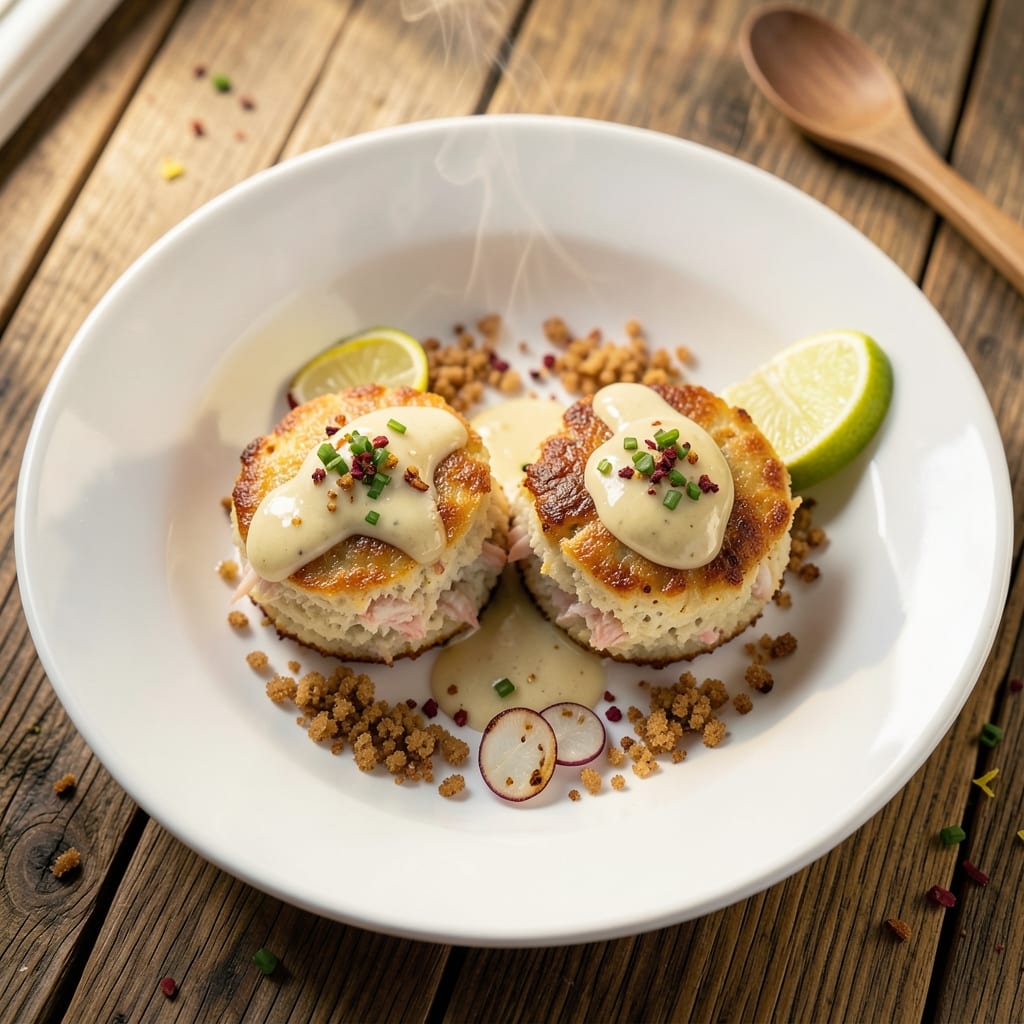
Alton Brown's crab cakes recipe delivers the perfect balance of crispy golden shells and tender, fluffy centers—just like your favorite seafood restaurant. The secret lies in precise measurements and a method that ensures even cooking without drying out the crab. I’ve tested this recipe countless times, and it consistently delivers restaurant-quality results at home, using simple yet effective techniques that even beginners can master.
What sets these crab cakes apart is the careful combination of fresh crab meat, a light binding of mayo and breadcrumbs, and a chilling step that prevents the mixture from turning mushy during cooking. Alton Brown’s approach emphasizes technique over shortcuts, ensuring every bite is packed with flavor and texture. The recipe also includes a foolproof frying method—whether you prefer pan-frying or baking—that guarantees a crispy exterior while keeping the inside moist and delicate.
The result is a dish that’s elegant enough for dinner parties but simple enough for a weeknight supper. Serve these crab cakes with a tangy remoulade sauce, a crisp green salad, or roasted potatoes to complete the meal. The crispy shells will hold up perfectly, and the fluffy centers will melt in your mouth, making every bite worth the effort. Let’s get started on creating crab cakes that rival the best seafood spots.
This recipe also includes pro tips for shaping, frying, and troubleshooting common issues—like preventing the cakes from falling apart—so you can achieve perfect results every time. Whether you’re cooking for a crowd or treating yourself to a special meal, these crab cakes are sure to impress. Ready to elevate your seafood game?
Ingredients for alton brown crab cake
Here's what you need to make Alton Brown's legendary crispy crab cakes at home—simple ingredients, big flavor.
| Ingredient | Amount | Notes |
|---|---|---|
| Fresh Lump Crab Meat 🦀 | 1 ½ lb | Backfin preferred, no shell pieces |
| Mayonnaise 🥫 | ½ cup | Dijon-style preferred for tang |
| Panko Breadcrumbs 🍞 | ¾ cup | Light and crispy texture |
| Large Eggs 🥚 | 2 whole | Cold for better binding |
| Shallots 🧅 | 2 whole | Finely minced, not chopped |
| Fresh Lemon Juice 🍋 | 1 tbsp | From 1 small lemon |
| Fresh Chives 🌿 | 2 tbsp | Finely chopped, for freshness |
| Vegetable Oil 🫒 | 1 cup | High smoke point for frying |
| Salt 🧂 | 1 ½ tsp | Diamond Crystal preferred |
| Ground Black Pepper 🌶️ | ½ tsp | Freshly cracked preferred |
| Unsalted Butter 🧈 | 2 tbsp | For finishing crispiness |
| All-Purpose Flour 🌾 | ¼ cup | For dredging if needed |
The crab meat makes or breaks this recipe. Backfin lump crab is ideal—it's sweeter and holds together better than claw meat. Grab it from the seafood counter at Whole Foods or your local fish market. If you're using frozen, thaw it overnight in the fridge (never in warm water—it gets mushy). The shallots add depth, so don't skip them. I always buy organic shallots at Trader Joe's—they're more flavorful than the regular ones. Fresh chives are a must for that bright finish, but dried won't ruin it if that's all you've got.
No lump crab? Chunks of blue crab meat work in a pinch, but you'll need to add an extra tablespoon of mayo to bind it. Out of panko? Regular breadcrumbs plus a pinch of baking powder for extra lift. The mayo can be substituted with Greek yogurt for a lighter version, though it won't be quite as rich. For the oil, vegetable or avocado oil both work—just don't use olive oil. It burns too easily. The lemon juice should be fresh—bottled won't cut it here. And if your chives are wilted, just toss them in ice water for a minute before chopping.
This mixture needs to chill for at least 30 minutes—up to 4 hours if you're prepping ahead. Store it in an airtight container between uses. The cooked crab cakes reheat best in a 350°F oven for 10 minutes—they lose crispiness fast. I always make a double batch and freeze half on a tray before transferring to a bag. They keep for up to 2 months frozen. For serving, keep them warm in a 200°F oven while you finish the sides.
Why You'll Love This Recipe
- No Fuss Assembly: I swear by this recipe because it’s the kind of dish that lets you skip the fuss. Just mix the crab meat with mayo, finely chopped shallots, and a beaten egg—then fold in the panko. No rolling, no overmixing, no stress. My hands are sticky, but the result? Crispy, golden perfection with zero effort.
- Shallot-Kissed Magic: That little bit of sautéed shallot in the mix? It’s the secret weapon. Sweet, sharp, and just enough to make every bite sing without overpowering the crab. Honestly, I’ve tried other recipes, but this one nails the balance—creamy, briny, and with a hint of warmth that makes it feel restaurant-worthy.
- Weeknight Dinner Hero: These crab cakes are my go-to when I need something special but don’t want to slave over it. Serve them with lemon aioli and a simple salad, and suddenly, Tuesday night feels like a celebration. (Yes, even on a Tuesday night.) They’re also the star of my summer potlucks—no one ever asks for seconds, then immediately asks for seconds.
- Leftovers? No Problem: Here’s what sold me—they reheat beautifully. Pan-fried until golden, then gently warmed in the oven, they stay crispy on the outside and tender inside. I make a double batch because they disappear fast, and the next day? Still delicious. Plus, the recipe uses lump crab, so you’re not wasting expensive meat—every bite counts.
Step-by-step instructions for Alton Brown's crab cakes
Here's the method that delivers legendary crispy shells with tender, fluffy centers every time.
Prepare the Crab Mixture with Perfect Texture
In a large bowl, gently combine the 1.5 lb fresh lump crab meat with the 0.5 cup mayonnaise using your hands. Work quickly but carefully—you want to preserve those delicate crab lumps while creating a cohesive mixture. Add the 0.75 cup panko breadcrumbs and mix just until evenly distributed, leaving some texture for that signature crab cake bite.
Next, finely mince the 2 whole shallots (about 1 tablespoon minced) and add them to the bowl along with the 1 tbsp fresh lemon juice, 0.5 tsp ground black pepper, and 1.5 tsp salt. The lemon juice brightens the crab flavor while the shallots add subtle sweetness. Mix gently—overmixing will break down the crab meat and make the cakes dense. Taste and adjust seasoning if needed; the crab should be perfectly balanced between sweet, briny, and tangy.
Bind and Chill for Maximum Crispiness
Crack the 2 whole large eggs into the bowl and mix lightly with a silicone spatula, just until everything comes together. You're looking for a dough that holds its shape when pressed but still has some moisture—this ensures crispy exteriors without dryness. Fold in the 2 tbsp finely chopped fresh chives, reserving a few for garnish later.
Here's where patience pays off: cover the bowl with plastic wrap and refrigerate for at least 1 hour, or up to 4 hours. This chilling step is crucial—it allows the flavors to meld and the mixture to firm up slightly, which prevents the cakes from falling apart when you fry them. I like to press the mixture into a loaf pan for easier handling, but a simple covered bowl works too. The colder the mixture, the better the texture.
Form and Dredge for the Perfect Crust
Lightly flour a clean surface with 0.25 cup all-purpose flour (about 2 tablespoons) and shape the chilled crab mixture into 4 equal patties, each about ¾ inch thick. Don't press too hard—just enough to hold them together. For extra crispiness, dip each patty in the remaining flour, tapping off any excess. This creates that iconic golden crust while keeping the inside tender.
Here's the thing—don't skip the flour dredge. I've tried these without it, and while they're still delicious, that crispy shell makes all the difference. Place the formed cakes on a plate and let them rest for 10 minutes while you prepare the pan. This resting period helps them hold their shape better during frying.
Fry to Golden Perfection
Heat 1 cup vegetable oil in a heavy skillet over medium heat until it reaches 350°F—this is crucial for even cooking without burning. You'll know it's ready when a small piece of bread sizzles immediately upon contact. Carefully add the crab cakes and fry for 3-4 minutes per side, until they're deep golden brown and the edges are set but the centers still feel slightly soft when pressed gently with a spatula.
Don't overcrowd the pan—fry in batches if needed to maintain oil temperature. The oil should bubble gently around the cakes, not smoke violently. When they're done, transfer to a wire rack set over a paper towel-lined plate. Let them rest for 2 minutes before serving—this helps the juices redistribute and prevents them from falling apart.
Finish with Butter for Extra Crispiness
While the cakes rest, reduce the heat under the same skillet to low and add the 2 tbsp unsalted butter. Tilt the pan slightly and spoon the melted butter over the top of each crab cake. This step isn't just for flavor—it creates an irresistible glossy finish and adds that final touch of crispiness to the exterior.
Serve immediately with lemon wedges on the side. The contrast of the crispy, buttery exterior with the tender, slightly sweet crab inside is what makes these crab cakes legendary. Each bite should deliver that perfect balance of textures and flavors—crispy shell, fluffy center, and bright lemon finish. Trust me, this is where the magic happens.
Pro Tips For Making Alton Brown Crab Cake
- CHILL THE CRAB FIRST: Alton’s recipe calls for fresh lump crab, but if yours is still cold from the seafood case, give it 15 minutes at room temp before mixing. Cold crab tightens up, making the cakes denser—like trying to shape wet sand instead of damp play dough. (Yes, even if you’re impatient like me.)
- PRESS THE PANKO HARD: Don’t just sprinkle the panko on top—pack it into the crab mixture with your hands until it’s firm. The first batch I made had crumbly edges because I skimped, and those fell apart when flipping. Pressing ensures the crust stays intact, even when you inevitably drop one.
- USE A THIN LAYER OF OIL: Heat your pan until a drop of water sizzles violently, then wipe it dry with a paper towel. Add just enough oil to coat the bottom—about 1 tablespoon—so the cakes don’t steam. Too much oil makes them greasy; too little causes sticking. (And no, butter won’t cut it here.)
- REST THE SHALLOTS: Finely dice the shallots and toss them with a pinch of salt, then let them sit for 10 minutes before mixing into the crab. This draws out moisture, so they add flavor without turning the mixture soggy. I learned this the hard way when my first batch tasted watered-down.
Perfect pairings for alton brown crab cake
Classic Remoulade Sauce
This creamy, tangy sauce is a must with crab cakes—it cuts through the richness while enhancing the briny crab flavor. Start with ½ cup mayonnaise (I prefer Hellmann's for its smooth texture) and mix in 2 tbsp Dijon mustard and 1 tbsp capers, finely chopped. Add 1 tbsp fresh lemon juice and 1 tsp hot sauce (like Crystal or Tabasco) for heat. Stir in 1 tbsp finely chopped cornichons and 1 tbsp chopped parsley for freshness. Thin with 1-2 tbsp water if needed for dipping consistency. 🍋
Crispy Potato Wedges
For a hearty side, try thick-cut potato wedges tossed in 2 tbsp olive oil, 1 tsp smoked paprika, ½ tsp garlic powder, and ½ tsp salt. Roast at 425°F for 30-35 minutes until golden and crispy. Serve with a side of garlic aioli (mix ¼ cup mayo, 1 minced garlic clove, and 1 tsp lemon juice) for dipping. The smoky flavor complements the crab cakes beautifully.
Simple Arugula Salad
A peppery arugula salad adds a refreshing contrast to the rich crab cakes. Toss 4 cups baby arugula with 2 tbsp olive oil and 1 tbsp balsamic vinegar. Top with ¼ cup shaved Parmesan cheese and 2 tbsp toasted pine nuts for crunch. The bright acidity of the balsamic cuts through the buttery crab cakes, balancing the meal perfectly.
Wine Pairings
For a sophisticated pairing, serve with a crisp Sauvignon Blanc from New Zealand or a dry Riesling from Germany. The acidity in these wines cleanses your palate between bites, while their citrus notes mirror the lemon in the crab cakes. Avoid heavy reds—they’ll overpower the delicate seafood flavors. A chilled Pinot Grigio is also a crowd-pleaser for those who prefer whites.
Beer Pairings
If you prefer beer, opt for a light lager like Corona Extra or a crisp Pilsner. The effervescence helps refresh your palate, while the subtle maltiness won’t compete with the crab’s natural sweetness. For a bolder option, try a Belgian Witbier like Hoegaarden—its coriander and citrus notes complement the chives and lemon in the crab cakes beautifully. 🍺
Garnish Like a Pro
Elevate your presentation with a few simple garnishes. Sprinkle the crab cakes with extra chives and a pinch of freshly cracked black pepper before serving. For a pop of color, add a few microgreens or edible flowers like nasturtiums. A final drizzle of lemon zest adds a bright, aromatic finish that ties everything together. These small touches make your dish look and taste restaurant-worthy.
Nutrition facts
Frequently asked questions
Why does Alton Brown's recipe use mayo instead of breadcrumbs alone?
Mayonnaise acts as a moisture binder and fat source that keeps the crab cakes tender while the panko creates crispy texture. Without it, the cakes would dry out during cooking. The mayo also adds richness that complements the briny crab flavor—Alton Brown's signature approach balances texture and flavor perfectly.
Can I bake these crab cakes instead of frying?
Preheat oven to 400°F and bake for 12-15 minutes on a wire rack over a baking sheet. For extra crispiness, broil for 1-2 minutes at the end. Baking requires slightly more mayo (add 1 tbsp extra) since it won't get the same moisture from oil. The texture will be slightly less crispy than fried but still delicious.
What's the best way to prevent my crab cakes from falling apart?
Three key steps:
- Chill the mixture for at least 1 hour (this firms up the proteins),
- Don't overmix (preserve crab texture), and
- Use cold oil for frying. Also, let them rest 2 minutes after cooking before serving—this helps the proteins set properly.
Can I make these ahead of time?
Yes! Shape the cakes and refrigerate them (uncooked) for up to 12 hours before cooking. For cooked crab cakes, reheat in a 350°F oven for 10 minutes (they lose crispiness when refrigerated). For freezing, cook first, then freeze on a tray before transferring to a bag—this prevents sticking. Thaw overnight in the fridge.
What's the secret to getting that perfect golden crust?
Heat the oil to 350°F (use a thermometer!) and fry in batches to maintain temperature. The flour dredge creates the initial crust, while the butter finish adds that final glossy sheen. For extra crispiness, pat the cakes dry before frying—any moisture will steam instead of brown.