
Desserts
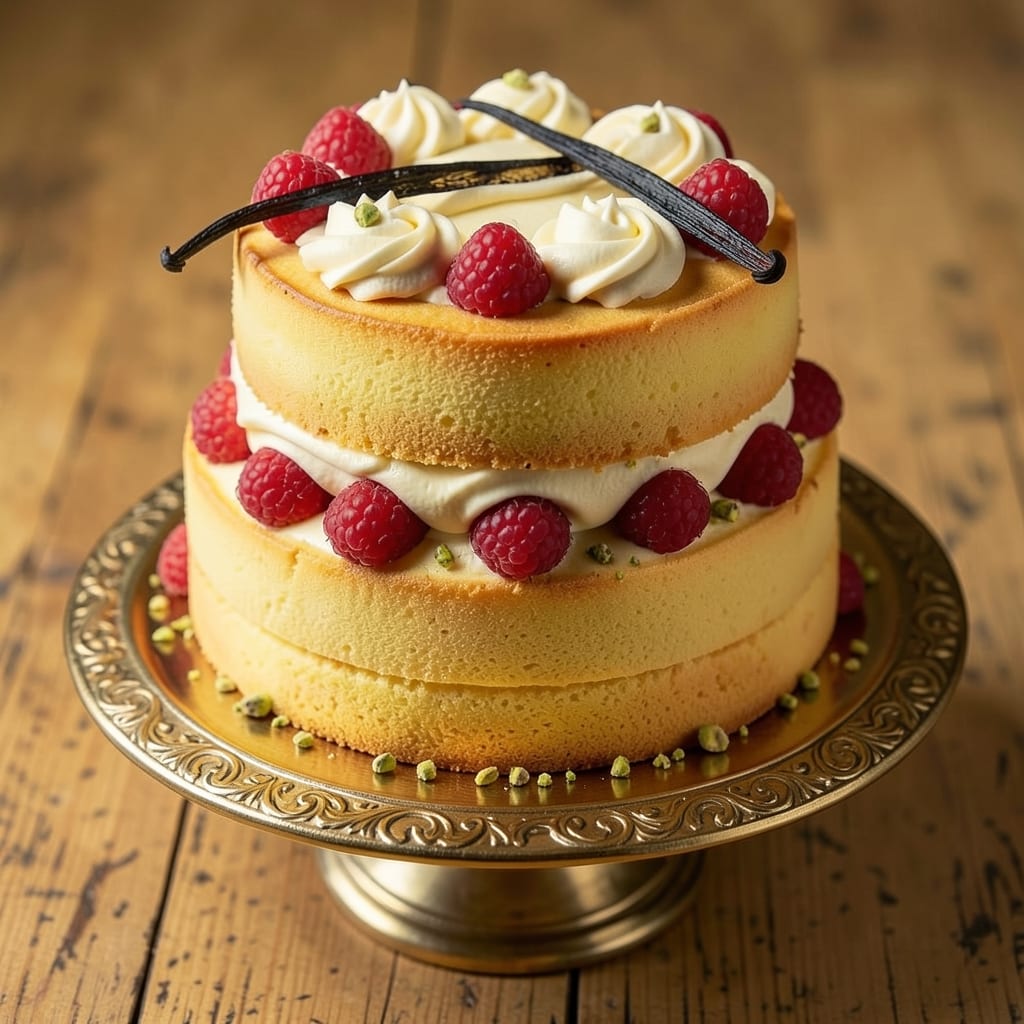
This amazing yellow cake recipe delivers the perfect balance of buttery richness and moist crumb—every slice feels like a hug. ✨ The secret? A touch of vanilla bean extract that transforms ordinary cake into something extraordinary, with a tender crumb that stays fresh for days. I've baked this recipe countless times, and it never fails to impress, whether it's for birthdays, holidays, or just because. What makes this cake truly special is the technique: creaming butter and sugar until light and fluffy, then folding in eggs one at a time to keep it airy. The vanilla bean adds depth without overpowering, while a pinch of salt balances the sweetness. It bakes up golden and moist, with no dry edges or cracks—just pure, buttery perfection in every bite. The best part? This cake is incredibly forgiving. Even if your kitchen isn’t perfectly calibrated, the recipe adjusts beautifully. Serve it warm with a dusting of powdered sugar, or frost it with your favorite vanilla buttercream for a showstopper dessert. Trust me, once you try this, you’ll never go back to store-bought. Ready to bake? Let’s get started—your taste buds (and guests) will thank you.
Ingredients for amazing yellow cake
Buttery richness meets vanilla magic in this crowd-pleasing yellow cake.
| Ingredient | Amount | Notes |
|---|---|---|
| Unsalted Butter 🧈 | 1 cup | Softened to room temperature |
| Granulated Sugar 🍚 | 2 cups | Light brown sugar for extra moisture |
| Vanilla Bean Extract 🌿 | 2 tsp | Pure vanilla bean preferred |
| Large Eggs 🥚 | 3 whole | Room temperature for best mixing |
| All-Purpose Flour 🌾 | 2 ½ cups | Sifted for light texture |
| Baking Powder 🧂 | 2 tsp | Freshly opened for lift |
| Salt 🧂 | ½ tsp | Fine sea salt preferred |
| Milk 🥛 | 1 cup | Room temperature for smooth batter |
| Vegetable Oil 🫒 | ½ cup | Light neutral oil preferred |
| Powdered Sugar 🍚 | ½ cup | For dusting or frosting |
| Vanilla Buttercream Frosting 🍰 | 1 ½ cups | Optional for serving |
The butter is non-negotiable here—unsalted, high-fat like Plugrá or Land O’Lakes makes all the difference. Grab it from the dairy aisle, not the baking section (those sticks are often lower quality). Room temperature butter is key—press it between paper towels for 10 minutes if it's cold. The vanilla bean extract? Pure, not imitation. I always buy mine from Williams Sonoma or Trader Joe's—their bottles have that rich, complex aroma. Pro tip: Split the vanilla bean lengthwise and scrape the seeds into your batter for extra depth (save the pod for next time).
No vanilla bean extract? Pure vanilla extract at double the amount works in a pinch, but you'll miss that depth. Brown sugar instead of white? Light brown sugar adds moisture without overpowering. Swapping milk? Almond milk works, but the cake might be slightly denser. For the oil, if you're out of vegetable oil, melted coconut oil is a great substitute—just let it cool slightly before mixing. The flour? King Arthur or Gold Medal brands are my go-tos for consistent results. If you're at high altitude, add an extra quarter teaspoon of baking powder to keep it light.
Store the cake wrapped tightly in plastic wrap at room temperature for up to 3 days. For longer storage, slice and freeze portions for up to 3 months. The buttercream? Whip it up fresh or store it in the fridge for 5 days, re-whipping before serving. I like to make a double batch of cake and freeze half—perfect for last-minute celebrations. The vanilla bean seeds? Save them in a jar with a little sugar for homemade vanilla sugar next time.
Why You'll Love This Recipe
- No Mixer Needed: I’ll admit, I don’t own a stand mixer—and this cake still comes out tender and golden every time. Creaming that butter and sugar by hand? It’s oddly satisfying, and the vanilla bean extract cuts through the richness perfectly.
- Butter So Good: The secret’s in the butter. Unsalted, cold, and beaten until it’s light and fluffy—this isn’t your dry, crumbly box mix. It’s rich, moist, and stays soft for days, even if you forget to wrap it properly.
- Birthday or Boring Day: Honestly, this cake works for everything. Frost it with cream cheese for a party, serve it plain with coffee for a lazy Sunday, or slice it up for lunchboxes. The flour-to-butter ratio keeps it foolproof no matter the occasion.
- Leftovers That Don’t Suck: Between us, most cakes turn into sad, dry bricks by day two. Not this one. The eggs and sugar combo locks in moisture, so even three-day-old slices taste fresh. (Yes, even on a Tuesday night.)
Step-by-step instructions for buttery vanilla yellow cake
Here's how to bake a cake so moist and flavorful it'll disappear faster than you can frost it.
👨🍳 Step 1: Cream Butter and Sugars to Fluffy Perfection
In a large mixing bowl, combine the 1 cup unsalted butter and 2 cups granulated sugar. Using an electric mixer on medium speed, beat for 3-5 minutes until light and fluffy. You're looking for a pale, airy texture that nearly doubles in volume—this creates those tender layers. I press down with my finger occasionally to check for ribbon consistency.
Here's the thing—don't rush this step. The butter needs to incorporate air to create that signature yellow cake tenderness. If you skip this, your cake will turn out dense instead of light. I like to scrape down the sides of the bowl every minute or so to ensure everything gets properly incorporated.
👨🍳 Step 2: Add Eggs and Vanilla for Rich Flavor
Add the 3 whole large eggs, one at a time, mixing well after each addition. Then stir in the 2 teaspoons vanilla bean extract. The mixture will look slightly curdled at first, but that's normal—it'll come together when you add the dry ingredients. I always use room temperature eggs for best results; they blend more smoothly into the batter.
This is where the vanilla magic happens. The pure extract infuses deep, aromatic flavor that sets this cake apart from basic yellow cake recipes. If you're using vanilla bean paste instead, make sure to strain out any seeds first so they don't create texture issues in the batter.
👨🍳 Step 3: Alternate Dry and Wet Ingredients
In a separate bowl, whisk together the 2.5 cups all-purpose flour, 2 teaspoons baking powder, and 0.5 teaspoon salt. With the mixer on low speed, gradually add about ⅓ of the flour mixture, then pour in ½ of the 1 cup milk. Repeat this alternating process, ending with flour. This creates an even distribution of ingredients for consistent texture throughout.
After adding all the dry ingredients, mix in the 0.5 cup vegetable oil. The batter should be smooth but thick—like pudding. If it looks too thin, you might need to add a splash more flour. The key here is gentle mixing to avoid developing gluten, which would make the cake tough instead of tender.
🔥 Step 4: Bake Until Golden and Springy
Preheat your oven to 350°F and grease two 8-inch round cake pans. Divide the batter evenly between the pans. Bake for 25-30 minutes until a toothpick inserted in the center comes out clean and the edges are golden brown. I always tap the sides of the pans gently—when the cake springs back slightly, it's ready.
Don't overbake! The cake will continue cooking as it cools. If you pull it out too early, it might collapse in the center. If you leave it too long, it'll be dry. The perfect moment is when the top looks set but still has a slight bounce to it.
⏰ Step 5: Cool and Frost for Ultimate Moistness
Let the cakes cool in their pans for 10 minutes, then transfer to a wire rack to cool completely. While they're cooling, prepare the 1.5 cups vanilla buttercream frosting—this is where the magic happens for that signature yellow cake experience. The frosting should be smooth and spreadable but not too runny.
Once completely cooled, frost the layers generously. I like to add a dusting of 0.5 cup powdered sugar on top for that classic yellow cake look. The frosting seals in moisture, keeping each slice tender and delicious. Let the cake sit at room temperature for 30 minutes before slicing to allow the frosting to set properly.
Pro Tips For Making Amazing Yellow Cake
- CREAM BUTTER AND SUGAR LONG: Mix the butter and sugar until it’s pale yellow and almost fluffy—about 4-5 minutes with a stand mixer. I learned this the hard way: rushing it leaves a dense cake, and stopping too soon means underdeveloped flavor.
- SCRAPE THE BOWL OF EVERYTHING: After adding eggs, vanilla, and flour, use a rubber spatula to scrape the bowl thoroughly—even the bottom. Those bits of unmixed batter hide in the corners, and they’re the reason your cake might turn out uneven.
- WEIGH YOUR FLOUR—DON’T SCOOP: Spoon flour into a measuring cup, then level it off with a knife. Scooping compresses it, and you’ll end up with a cake that’s dry and crumbly. A kitchen scale makes this foolproof—just 120g for 1 cup.
- BAKE UNTIL THE CENTER HITS 205°F: Use an instant-read thermometer to check the center—it should register 205°F (210°F if you’re using a dark pan). A toothpick test is unreliable; cakes keep cooking after you pull them out, and that’s when they turn gummy.
Perfect pairings for this amazing yellow cake
Classic Frosting Options
Vanilla buttercream is my go-to for this cake—I use 2 sticks (½ cup) unsalted butter, 3 cups powdered sugar, and 2 tablespoons vanilla bean extract, whipped until fluffy. For a lighter option, try cream cheese frosting (mix 8 oz cream cheese with ½ cup butter and 2 cups powdered sugar)—it adds a tangy contrast to the sweet cake. 🍰
Fruit Toppings
Fresh berries like strawberries or raspberries add vibrant color and acidity. I slice 1 cup strawberries and arrange them on top of the frosted cake for a summery touch. For a tropical twist, try ½ cup diced mango or kiwi slices. Add them just before serving to keep the cake looking fresh.
Creamy Fillings
Layering with raspberry jam or whipped cream adds texture and moisture. I spread ½ cup raspberry jam between cake layers for a fruity surprise in every bite. For a richer option, use pastry cream (mix 1 cup milk, 3 tbsp cornstarch, 2 tbsp sugar, and 2 egg yolks, then cook until thickened).
Chocolate Drizzle
A dark chocolate ganache elevates this cake to next-level decadence. Melt ½ cup dark chocolate chips with ¼ cup heavy cream, then drizzle over the frosted cake. Let it set for 15 minutes before slicing. For extra flair, add crushed nuts or sea salt flakes on top.
Warm Spiced Syrup
Drizzle warm vanilla syrup (simmer ½ cup water, ½ cup sugar, and 1 tsp vanilla extract) over slices for a restaurant-quality touch. I also add a pinch of cinnamon to the syrup for warmth. Serve with a scoop of vanilla ice cream for a classic combo. ✨
Coffee or Tea Infusion
For a sophisticated twist, infuse the buttercream with 1 tbsp instant coffee or 1 tsp Earl Grey tea while whipping. This pairs beautifully with the cake’s vanilla notes. I also serve it with a cup of hot coffee or chamomile tea for a cozy dessert experience.
Nutrition facts
Frequently asked questions
Can I substitute vanilla extract for vanilla bean extract?
Yes, but with a difference! Use double the amount of pure vanilla extract (so 4 teaspoons instead of 2). The vanilla bean extract gives deeper, more complex flavor, but pure extract works in a pinch. For best results, look for "pure vanilla extract" (not imitation) from trusted brands like McCormick or Nelson & Sons.
Why did my cake crack on top?
Cracking usually happens from overmixing or baking too long. The batter should be smooth but not stiff—if it looks like pancake batter, it's ready. Also, check your oven temperature with an oven thermometer (many run hot). Bake until a toothpick comes out clean, but pull it out when the edges are just set. Let it cool gradually in the pan for 10 minutes before transferring.
Can I make this cake in a 9-inch pan instead?
For a 9-inch round pan, reduce the batter by about 20% (use 1.5 cups instead of 1.875 cups per pan). Bake for 20-25 minutes instead of 25-30, as the larger surface area cooks faster. Grease the pan well to prevent sticking. The texture will still be moist, but the layers will be slightly thinner.
How do I store leftovers to keep them moist?
Wrap the cake tightly in plastic wrap and store at room temperature for up to 3 days. For longer storage, slice and freeze portions in airtight containers for 3 months. To refresh, rewarm slices in the oven at 300°F for 5-10 minutes or microwave for 10-15 seconds. Avoid refrigerating—it dries out the cake faster.
What’s the secret to making this cake extra moist?
The combo of vegetable oil (keeps it tender) and brown sugar (adds moisture) is key. Also, don’t overbake—pull it out when the toothpick test is clean but the edges are just set. For extra richness, brush warm cake layers with a simple syrup (equal parts sugar and water, heated until dissolved) before frosting. This adds moisture and helps the frosting adhere better.