
Desserts
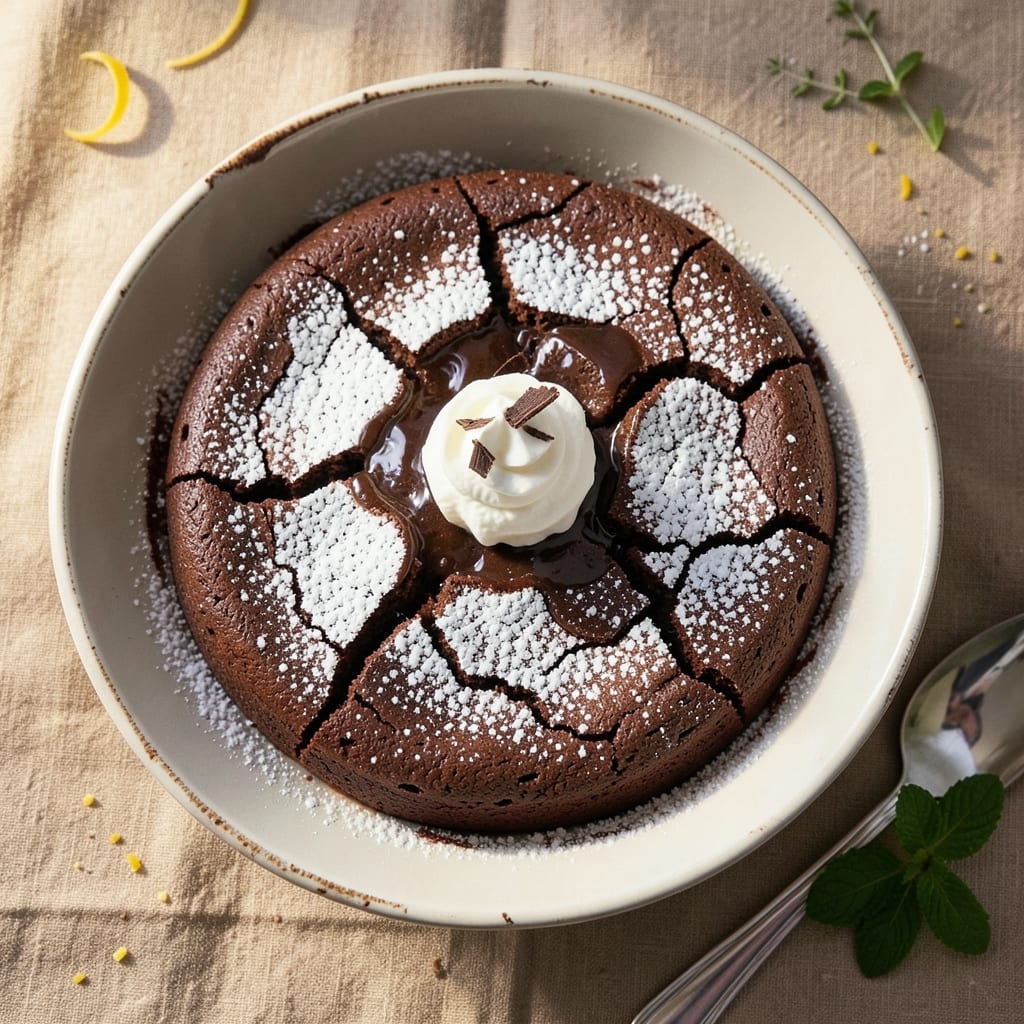
This American mud cake recipe delivers the perfect balance of rich chocolate and deep coffee flavor, creating a moist, decadent dessert that's impossible to resist. The secret lies in the coffee-soaked layers and a simple yet foolproof baking technique that ensures every slice is tender and fudgy. I've perfected this recipe over years of baking, and it's become a staple for special occasions and cozy weeknight treats.
The beauty of this mud cake is its simplicity—just a handful of ingredients come together to create a dessert that tastes like it came from a high-end bakery. The coffee infusion adds depth without overpowering the chocolate, while the buttermilk keeps the texture irresistibly moist. Baking time is minimal, and the cake comes out with a perfect golden crust that hides the most luxurious interior.
What makes this recipe truly special is how it transforms basic pantry staples into something extraordinary. The chocolatey layers are rich and velvety, while the coffee-soaked sponge adds a subtle complexity that elevates the flavor profile. This cake is perfect for celebrating birthdays, holidays, or simply indulging in a slice of pure comfort.
Serve it warm with a scoop of vanilla ice cream or dusted with powdered sugar for an elegant finish. The texture is so tender and moist that it practically melts in your mouth, making every bite worth the effort. Ready to create a dessert that will impress everyone at the table?
Ingredients for american mud cake
Just twelve ingredients transform into a decadent mud cake with fudgy layers and coffee-infused moisture.
| Ingredient | Amount | Notes |
|---|---|---|
| All-Purpose Flour 🌾 | 2 cups | Sifted for light texture |
| Unsweetened Cocoa Powder 🍫 | ¾ cup | Dutch-processed preferred |
| Granulated Sugar 🍚 | 1 ½ cups | Light brown for depth |
| Instant Espresso Powder ☕ | 2 tbsp | High-quality for strong flavor |
| Baking Powder 🍞 | 1 ½ tsp | Freshly opened for lift |
| Salt 🧂 | ½ tsp | Fine sea salt preferred |
| Large Eggs 🥚 | 2 whole | Room temperature for blending |
| Buttermilk 🥛 | 1 cup | Fresh for tanginess |
| Vegetable Oil 🫒 | ½ cup | Light, neutral flavor |
| Vanilla Extract 🌸 | 1 tbsp | Pure, high-quality extract |
| Hot Water 💧 | ½ cup | For coffee infusion |
| Powdered Sugar 🍚 | ¼ cup | For dusting or frosting |
The cocoa powder is where the magic happens—Dutch-processed (like Droste or Ghirardelli) gives that velvety texture. Grab the high-quality instant espresso powder—none of that cheap stuff that tastes like dirt. I always buy Penzeys or Starbucks instant for that rich coffee punch. For the flour, King Arthur or Bob's Red Mill are my go-tos—they bake evenly. The buttermilk? Make your own by mixing milk with vinegar if you're feeling fancy, but store-bought works too. Just make sure it's fresh—sour buttermilk ruins everything.
No instant espresso? Strong brewed coffee cooled works in a pinch, but you'll need about 1/2 cup to replace those 2 tbsp. Dutch-processed cocoa? Natural cocoa plus 1/4 tsp baking soda mimics the flavor. Short on buttermilk? Substitute with 1 cup milk + 1 tbsp vinegar. The vanilla extract is non-negotiable—imitation smells like perfume. For the sugar, light brown adds moisture, but white works if that's what you've got. The powdered sugar is optional but makes it feel extra special—dust it over the top right after baking when it's still warm.
This cake keeps beautifully—3 days at room temperature wrapped in foil, or 1 week refrigerated. For longer storage, slice and freeze between parchment paper for 3 months. I always bake an extra cupcake or two—they disappear fast. The coffee flavor actually deepens overnight, so leftovers taste even better. Store the powdered sugar in an airtight container away from moisture—it clumps like crazy otherwise. And trust me, warm slices with vanilla ice cream are the ultimate comfort.
Why You'll Love This Recipe
- No Mixer Needed: I swear by this recipe when I’m in a rush—just stir the dry ingredients in one bowl, fold in the wet, and pop it in the oven. The cocoa and espresso powder do all the heavy lifting, so you don’t even need to cream butter or sift flour.
- Deep Chocolate Magic: That first bite? Rich, fudgy, and just a little bit bitter from the espresso—like a decadent milkshake in cake form. Honestly, the sugar and cocoa powder combo is chef’s kiss, and the baking powder keeps it light instead of dense.
- Crowd-Pleaser Every Time: Bring this to a potluck, birthday, or just a lazy Sunday, and it’ll disappear faster than you can say “second slice.” It’s not too sweet, not too heavy—just the kind of dessert that makes people sigh with happiness.
- Budget-Friendly Indulgence: A box of cocoa powder and a bag of flour cost pennies, but the flavor feels like a bakery treat. Plus, leftovers? They actually improve overnight—moist, not dry, so you’ll have dessert for days without extra effort.
Step-by-step instructions for American mud cake
Here's how to bake this decadently moist chocolate cake with coffee-infused depth that stays perfect for days.
Infuse the Coffee Flavor
In a small bowl, whisk together the 0.5 cup hot water and 2 tbsp instant espresso powder until completely dissolved. This creates a concentrated coffee infusion that enhances the chocolate flavor without overpowering it. Let the mixture cool slightly—it should be warm but not scalding when you add it to the wet ingredients.
I like to use freshly ground espresso powder for the strongest flavor, but instant works perfectly fine. The hot water helps dissolve it completely, ensuring even distribution throughout the batter. If you prefer a stronger coffee taste, you could add an extra ½ tbsp of espresso powder, but stick to the recipe for classic mud cake balance.
Mix Wet Ingredients to a Velvety Texture
In a large mixing bowl, combine the 2 whole large eggs, 1 cup buttermilk, 0.5 cup vegetable oil, 1 tbsp vanilla extract, and the cooled coffee mixture. Whisk vigorously for 2-3 minutes until the mixture is thick, smooth, and nearly doubles in volume. This step incorporates air into the batter, which creates that signature tender crumb.
I always use room-temperature eggs and buttermilk for best results—they blend more smoothly and create a lighter texture. If your buttermilk smells slightly tangy, that's perfect—it adds depth of flavor. The mixture should be thick enough to hold peaks when you lift the whisk, but still pourable. This is your foundation for that signature moist crumb.
Combine Dry Ingredients for Perfect Structure
In a separate bowl, sift together the 2 cups all-purpose flour, 0.75 cup unsweetened cocoa powder, 1.5 cups granulated sugar, 1.5 tsp baking powder, and 0.5 tsp salt. This sifting step prevents lumps and ensures even distribution of the cocoa and baking powder throughout the batter. Give the dry ingredients a quick whisk to aerate them before combining.
The cocoa powder should be Dutch-processed if possible—it's smoother and less acidic, which prevents the cake from tasting bitter. The sugar acts as both sweetener and tenderizer here, while the baking powder provides lift. Don't skip the sifting—it makes a noticeable difference in the final texture. I like to press my finger into the dry mixture to check for even consistency before combining.
Fold Wet and Dry Together Gently
With the mixer on low speed, gradually add the dry ingredients to the wet mixture. Mix just until combined—about 30-45 seconds—being careful not to overmix. Overmixing develops gluten and can make the cake tough. The batter should be thick but still able to coat the back of a spoon. If it looks too stiff, add 1-2 tablespoons of buttermilk to loosen it slightly.
This is where the magic happens—the gentle folding creates a tender crumb without overdeveloping the gluten. The batter will be thick and almost fudgy in texture, which is exactly what we want for that signature mud cake moisture. Don't worry if it looks like too much—this is normal. The cake will rise beautifully in the oven while maintaining its signature dense yet tender texture.
Bake to Perfect Moisture and Depth
Preheat your oven to 350°F and grease two 8-inch round cake pans or one 9x13-inch pan. Pour the batter evenly into the prepared pans—fill them about ⅔ full. Bake for 30-35 minutes (for round pans) or 35-40 minutes (for sheet pan) until a toothpick inserted in the center comes out with a few moist crumbs but no wet batter.
The cake should be just set in the center but still slightly springy to the touch. The edges should be pulling away from the pan slightly, indicating it's done. Don't overbake—this cake continues to cook slightly as it cools. For best results, let the cakes cool in their pans for 10 minutes before transferring to a wire rack to cool completely. The residual heat helps set the texture properly.
Dust and Serve for Maximum Enjoyment
Once completely cooled, dust the top of each cake layer with 0.25 cup powdered sugar using a fine-mesh sieve. This adds that classic mud cake finish while keeping the texture light. Serve immediately or store at room temperature in an airtight container for up to 5 days—if it lasts that long. The flavors actually improve as it sits, with the coffee and chocolate melding together beautifully.
For serving, I like to cut into thick slices and enjoy with a dollop of whipped cream or a scoop of vanilla ice cream. The cake's dense yet moist texture makes it perfect for layering or enjoying on its own. The coffee infusion gives it just the right depth, while the cocoa keeps it rich and chocolatey throughout. This is the kind of cake that gets better with time—perfect for making ahead for gatherings or special occasions.
Pro Tips For Making American Mud Cake
- Sift the Cocoa: Mixing dry ingredients in a mud cake is a recipe for lumps—especially with cocoa powder. Take 30 seconds to sift the flour, cocoa, espresso powder, and baking powder together before adding wet ingredients. I learned this the hard way when my first batch had gritty pockets that ruined every bite.
- Melt the Butter Slow: Cold butter in this batter makes for a dense, heavy cake. Warm it to just under 110°F (43°C) before mixing—it blends smoother and creates a lighter texture. (Yes, even if you’re impatient like me, skip the microwave shortcut unless you want a greasy mess.)
- Don’t Overmix: Once you fold in the eggs and buttermilk, stop after 20 strokes. Overmixing develops the gluten in the flour, and your cake will turn out tough instead of fudgy. The batter will look slightly lumpy—that’s normal, and it guarantees a moist, tender crumb.
- Use Room-Temp Eggs: Cold eggs in a warm batter create pockets of steam that can cause uneven rising. Let eggs sit in warm water for 5 minutes before cracking them in—this ensures a consistent texture and prevents sinking in the center. (Your future self will thank you.)
Troubleshooting this dish
Cake Stuck in Pan
If your mud cake clings stubbornly to the pan, your greasing technique might need work. Use butter or baking spray (like Baker's Joy) to coat pans thoroughly, including the sides. For stubborn cases, let the cake cool 5 minutes longer before turning out—this helps it release naturally. If it still sticks, run a thin knife around the edges to loosen it gently. 🔥
Dry or Crumbly Texture
A dry cake usually means overbaking or insufficient moisture. First, check your baking time—30-35 minutes is ideal for 8-inch pans. If you prefer a denser texture, pull it out when a toothpick has just a few moist crumbs. For extra moisture, try adding 1 tablespoon sour cream to the batter or brushing warm slices with simple syrup (equal parts sugar and water).
Cracked Top or Sinky Center
Cracks or a sunken center often happen from overmixing or incorrect oven temperature. Mix just until combined (about 30-45 seconds after dry ingredients are added). Preheat your oven for at least 15 minutes at 350°F—a hot oven ensures even baking. For a sinky center, try baking 5 minutes longer at a slightly higher temp (375°F) to set the middle properly.
Bitter Chocolate Taste
Bitterness comes from natural cocoa powder or old cocoa. Always use Dutch-processed cocoa (like Ghirardelli) and store it in an airtight container away from heat. If you must use natural cocoa, add ¼ teaspoon baking soda to neutralize acidity. For extra richness, reduce the sugar slightly (1.25 cups) to balance the flavor.
Batter Too Thin or Too Thick
If your batter is too thin, you likely undermeasured the flour—sift it properly to avoid compaction. For a thicker batter, add 1-2 tablespoons more flour or reduce the buttermilk by 1 tablespoon. If it's too stiff, whisk in 1 tablespoon vegetable oil to loosen it. The ideal consistency should be thick but pourable, like heavy pudding. ✨
Nutrition facts
Frequently asked questions
Can I make this mud cake without coffee?
Yes! Simply omit the 2 tbsp instant espresso powder and 0.5 cup hot water, replacing them with an extra 0.5 cup milk or buttermilk. The cake will still be rich and moist—just without the coffee depth. For a chocolate-only version, increase the cocoa powder to 0.85 cup to maintain balance.
What's the secret to keeping this cake moist for days?
The buttermilk and vegetable oil create an ultra-moist texture, but the key is proper storage. Wrap cooled slices in plastic wrap or store in an airtight container with a slice of bread to absorb excess moisture. The cake actually improves overnight as the flavors meld—perfect for making ahead! For extra moisture, brush warm slices with simple syrup (equal parts sugar and water).
Can I use this recipe for cupcakes?
Reduce the batter to fill 12-15 cupcake liners (about ⅓ of the original recipe). Bake at 350°F for 18-20 minutes until a toothpick comes out clean. The cupcakes will have a denser, fudgier texture than traditional cupcakes—ideal for layering with frosting or serving as-is with a dusting of powdered sugar.
Why does my mud cake turn out dense instead of light?
Density is actually desirable for mud cake! The secret is not overmixing (mix just until combined) and using Dutch-processed cocoa. If it's too dense, check your baking time—pull it when a toothpick has moist crumbs (not wet batter). For a lighter texture, add 1 tsp baking powder or ½ tsp baking soda to the dry ingredients. The buttermilk also adds moisture that keeps it tender.
How do I make this cake gluten-free?
Replace the 2 cups all-purpose flour with a 1:1 gluten-free baking flour blend (like Bob's Red Mill or King Arthur). Add ½ tsp xanthan gum if your blend doesn't include it. For best results, also substitute the buttermilk with 1 cup dairy-free milk + 1 tbsp vinegar. The texture will be slightly denser but still moist. Test your gluten-free flour blend first—some brands absorb more liquid.