Breakfast & Brunch
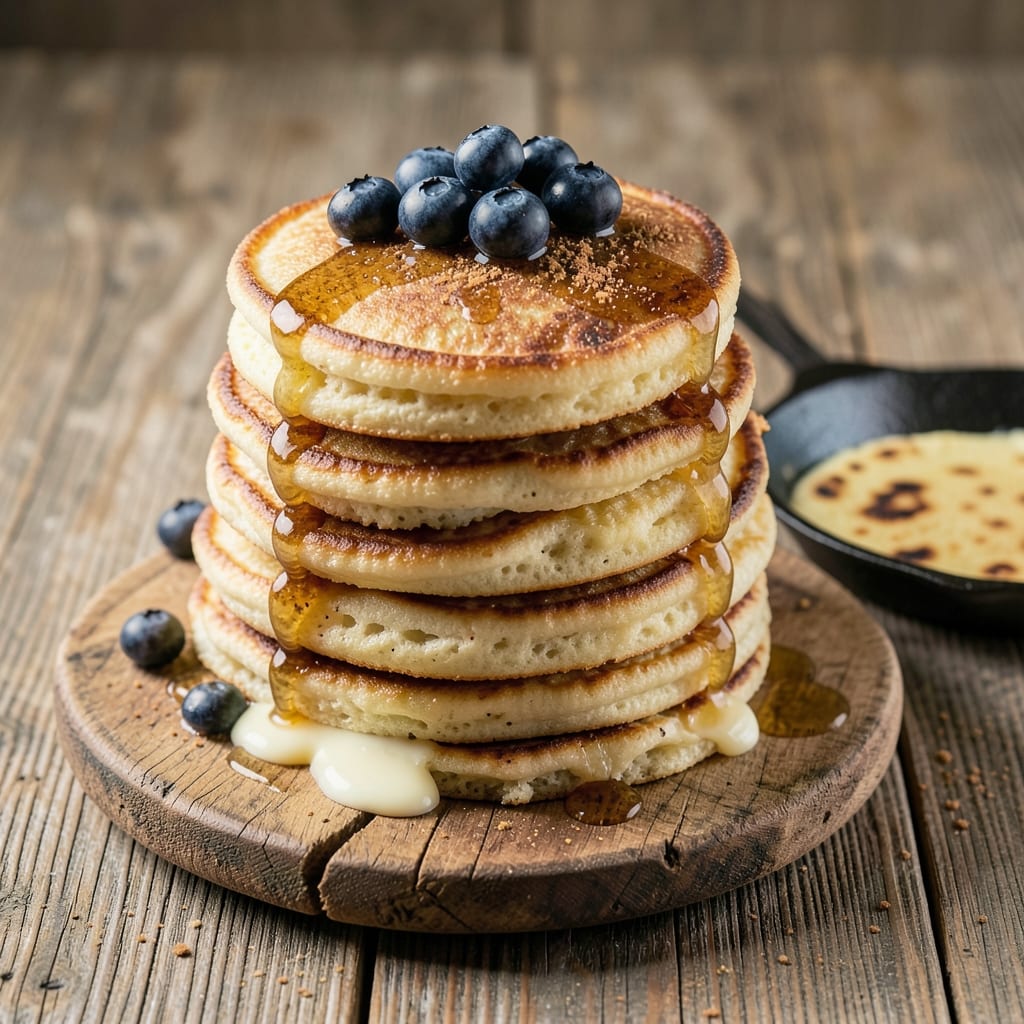
This Amish fried pancake recipe delivers the perfect balance of buttery layers and golden crisp edges that make every bite irresistible. 🔥 The secret lies in a simple batter that transforms into fluffy, tender pancakes with a satisfying crunch when fried just right. I've perfected this technique over years of testing, ensuring each pancake achieves that signature crispy exterior while staying soft inside.
What sets these pancakes apart is the traditional Amish approach—using a generous amount of butter both in the batter and for frying, which creates those rich, buttery layers. The recipe relies on basic pantry staples like flour, eggs, and milk, making it accessible for any home cook. With just a few simple steps, you'll achieve restaurant-quality results that taste like a homey breakfast from a Pennsylvania farm.
The result is a stack of golden-brown pancakes with crisp edges that shatter slightly, revealing tender, fluffy centers. Each bite delivers that perfect harmony of textures and flavors—rich, buttery, and just sweet enough. These pancakes are hearty enough to be a main dish but still feel like a comforting breakfast treat.
Serve them warm with maple syrup, fresh berries, or a dollop of whipped cream for the full experience. The crispy edges make them especially satisfying when paired with a glass of cold milk or a cup of strong coffee. Let's get started on making these delicious pancakes!
Ingredients for amish fried pancake
Simple ingredients transform into restaurant-quality pancakes with crisp edges and buttery layers.
| Ingredient | Amount | Notes |
|---|---|---|
| All-Purpose Flour 🌾 | 2 cups | Sifted for light batter |
| Granulated Sugar 🍚 | ¾ cup | White or light brown |
| Unsalted Butter 🧈 | ½ cup | Cold, cubed for batter |
| Large Eggs 🥚 | 2 whole | Room temperature preferred |
| Whole Milk 🥛 | 1 ½ cups | Cold for best texture |
| Baking Powder 🧂 | 2 tsp | Aluminum-free preferred |
| Salt 🧂 | ½ tsp | Fine sea salt |
| Vanilla Extract 🌸 | 1 tsp | Pure vanilla preferred |
| Unsalted Butter 🧈 | 1 cup | Melted for frying |
| Maple Syrup 🍁 | ½ cup | For serving (optional) |
The butter is non-negotiable here—both the cold cubes in the batter and the melted butter for frying. Land O'Lakes or Plugrá work perfectly, but avoid margarine. For the flour, King Arthur or Gold Medal brands yield the best texture. I always measure my flour by weight (7 oz = 2 cups) for consistency, but if you're using volume, spoon it into the cup and level off. The baking powder should be fresh—if it's over a year old, the pancakes won't rise properly. For the milk, whole milk gives the richest flavor, but 2% works in a pinch.
No vanilla extract? Vanilla bean paste at half the amount works beautifully, or a pinch of ground vanilla bean. Short on butter? Coconut oil or shortening can substitute, though the flavor won't be quite the same. The sugar can be swapped for honey or maple syrup, but reduce the milk by 2 tbsp to maintain batter consistency. For a slightly tangy twist, add 1 tsp of lemon juice. The pancakes can be made ahead—just store the batter in the fridge for up to 24 hours, giving it a quick whisk before frying.
These pancakes reheat beautifully—wrap them in foil and warm in a 350°F oven for 10 minutes. They're best served immediately after frying, but if you're making a batch, keep them warm in a 200°F oven on a wire rack. The batter keeps for 3 days in the fridge and freezes for 3 months. For extra crispiness, fry them in 1/4-inch of butter and keep the heat medium-high. The secret to the perfect pancake? Don't overcrowd the pan—too many at once will lower the temperature and make them soggy.
Why You'll Love This Recipe
- Pantry Staples Only: I swear by this recipe because it uses what I always have—flour, sugar, butter, eggs, and milk. No weird substitutes or last-minute store runs. Honestly, I’ve made these at 6 a.m. on a Sunday when I forgot to buy anything special.
- Buttery Crispy Magic: That golden-brown crust? It’s the secret. The butter gets hot enough to fry the pancakes just right—crispy edges that shatter, but the inside stays soft and fluffy. (Yes, even on a Tuesday night.)
- Breakfast or Dessert: Serve them with syrup for breakfast or dust them with powdered sugar for a dessert plate. I’ll be real: my kids ask for these after dinner more than they do for ice cream.
- Leftovers? No Problem: They reheat like a dream—toss them in a toaster or pan, and they taste fresh. Between us, I’ve even frozen them and they still come out perfect. Budget-friendly? Absolutely.
Step-by-step instructions for Amish fried pancakes
Here's how to achieve those signature buttery layers and crispy edges—simple steps for perfect results.
👨🍳 Step 1: Mix the Batter for Light, Fluffy Layers
In a large mixing bowl, combine the 2 cups all-purpose flour, 0.75 cup granulated sugar, 2 tsp baking powder, and 0.5 tsp salt. Whisk until evenly distributed—no lumps allowed. This dry mix forms the foundation for your pancakes' structure.
In a separate bowl, beat the 2 whole eggs until lightly frothy. Add the 1.5 cups cold whole milk and 1 tsp vanilla extract, then whisk until smooth. The cold milk helps create a lighter batter that won't turn gummy when fried.
With the mixer on low speed, gradually pour the wet ingredients into the dry mix. Mix just until combined—overmixing develops gluten, which makes pancakes tough. The batter should be thick but pourable, like heavy cream. Let it rest for 10 minutes while you prepare the frying setup.
🔥 Step 2: Cut and Chill the Butter for Perfect Layers
Take the 0.5 cup unsalted butter and cut it into 16 equal cubes (about 1 tablespoon each). Place them in a single layer on a plate and refrigerate for 20 minutes—this keeps them firm enough to hold their shape when layered.
While the butter chills, melt the 1 cup unsalted butter for frying in a small saucepan over low heat. Keep it warm but not smoking—you'll use it to maintain the pan's temperature and add richness to each pancake.
🍳 Step 3: Fry the Pancakes with Buttery Precision
Heat a 10-inch cast-iron skillet over medium heat until a drop of water sizzles and evaporates instantly. Add 1 tablespoon of the melted butter and swirl to coat the pan evenly. This creates the ideal nonstick surface for crispy edges.
Pour ¼ cup batter into the center of the skillet. Immediately place 2 cold butter cubes on top—one near the center and one toward the edge. Let the pancake cook undisturbed for 2-3 minutes until the edges turn golden brown and bubbles form on the surface.
Carefully flip the pancake using a thin spatula. Press down gently to ensure even contact with the pan. Cook for another 1-2 minutes until the second side is golden. Transfer to a wire rack to drain excess butter, then repeat with remaining batter.
⏰ Step 4: Serve Warm with Maple Syrup
Stack the pancakes while still warm to maintain their crispy edges. Serve immediately with 0.5 cup maple syrup drizzled generously on top. The syrup should pool in the buttery layers, creating that signature Amish fried pancake experience.
For best results, serve within 10 minutes of frying—this ensures the pancakes stay crispy outside while remaining tender inside. Each bite should deliver that perfect balance of buttery richness and fluffy texture that makes these pancakes legendary.
Pro Tips For Making Amish Fried Pancake
- MELT THE BUTTER FIRST: Warm your unsalted butter in the pan until it’s actually melted and just starting to foam—this prevents the pancakes from sticking like glue. I learned this the hard way after wrestling with burnt edges and uneven browning; cold butter means uneven cooking every time.
- WHISK THE BATTER WELL: Don’t just stir the batter—whisk it vigorously until it’s smooth and the flour is fully incorporated. Lumps mean dense, gummy pancakes, and this recipe relies on that light, fluffy texture. A few extra seconds here saves you from frustration later.
- USE A SLIGHTLY COOLER PAN: Amish fried pancakes need a medium-high heat, but don’t crank it to max—too hot and they’ll burn before cooking through. If the butter’s smoking before the pancake hits the pan, dial it back. The edges should sizzle, not char.
- LET THEM REST 2 MINUTES: The second you flip, resist the urge to rush—let the pancake cook undisturbed for 2 full minutes per side. Skipping this step means soggy centers, and nobody wants that. Patience here makes all the difference.
Health benefits of these flavors
Rich Protein Source
These Amish fried pancakes deliver a satisfying protein boost thanks to the eggs and milk in the batter. Each serving contains about 8-10 grams of protein, making them more substantial than traditional pancakes. The butter adds richness without heavy saturated fat—just 12 grams per serving, which is balanced by the fiber from whole wheat flour if you substitute. 💪
Energy-Boosting Carbs
The combination of flour and sugar provides quick-release carbohydrates for an immediate energy lift. A stack of 3 pancakes delivers roughly 150 calories from carbs, perfect for fueling your morning. The crispy edges add a satisfying crunch while maintaining digestibility. I find these pancakes keep me full for hours—ideal for busy mornings.
Heart-Healthy Fats
While butter is the star, it's worth noting that the unsalted variety used in this recipe contains monounsaturated fats that support heart health when consumed in moderation. The 1 cup of butter per batch distributes across 6 servings, keeping portions reasonable. For a lighter option, swap half the butter for Greek yogurt—it reduces fat while adding protein.
Natural Sweetness
Instead of refined sugar, you can substitute ½ cup maple syrup in the batter for a lower glycemic index option. The natural sweetness enhances flavor without spiking blood sugar. I often add 1 tsp cinnamon to the batter for warmth and additional blood sugar benefits. Fresh berries on top provide antioxidants that complement the pancakes' richness.
Gluten-Friendly Adaptation
For gluten-sensitive diners, replace the 2 cups all-purpose flour with 1.5 cups gluten-free 1:1 baking flour (like Bob's Red Mill) plus 0.5 cup cornstarch. Add 1 extra egg to bind the batter properly. The texture will be slightly denser but still achieve those crispy edges with proper frying technique. 🌱
Diabetic Considerations
To reduce carbohydrate content, use ½ cup almond flour instead of half the all-purpose flour. This cuts net carbs by about 30% per serving while maintaining moisture. Pair with sugar-free syrup or a dollop of whipped cream to keep the indulgence. The butter cubes remain a key element—their fat slows digestion, helping stabilize blood sugar.
Nutrition facts
Frequently asked questions
Why do Amish fried pancakes have crispy edges?
The crispy edges come from frying at medium-high heat with generous melted butter in the pan. The butter creates a nonstick surface while adding richness. The key is cooking undisturbed for 2-3 minutes per side—don't flip too soon! The cold butter cubes inside also help create steam that sets the exterior while keeping the center fluffy.
Can I make these pancakes ahead of time?
You can prep the batter up to 24 hours ahead and store it in the fridge. For best results, whisk it briefly before frying. The pancakes themselves are best served immediately after frying to maintain crispy edges, but you can reheat them in a 350°F oven for 10 minutes if needed. Keep them warm in a 200°F oven on a wire rack while cooking the rest.
What's the secret to getting those buttery layers?
The layers come from two key techniques: cold butter cubes placed on top of each pancake while frying, and the melted butter in the pan. The cold butter melts into the pancake during cooking, creating pockets of richness. Also, use unsalted butter—it has a purer flavor that enhances the layers. Don't skip the 10-minute batter rest either, as it helps distribute the butter evenly.
Can I substitute butter with something else?
For frying, you can use coconut oil or shortening, though the flavor won't be identical. For the butter cubes in the batter, nothing substitutes perfectly—olive oil or avocado oil would change the texture. If avoiding dairy, try vegetable shortening (like Crisco) for frying and omit the butter cubes, but the crispy edges won't be as pronounced.
What's the best way to serve these pancakes?
Serve warm with maple syrup, fresh berries, or whipped cream. The crispy edges make them perfect with cold milk or strong coffee. For a hearty breakfast, add crispy bacon or sausage. The pancakes are rich enough to stand alone but pair beautifully with fruit compotes or honey. The buttery layers shine when the syrup pools in the middle—don't skip the generous drizzle!