
Desserts
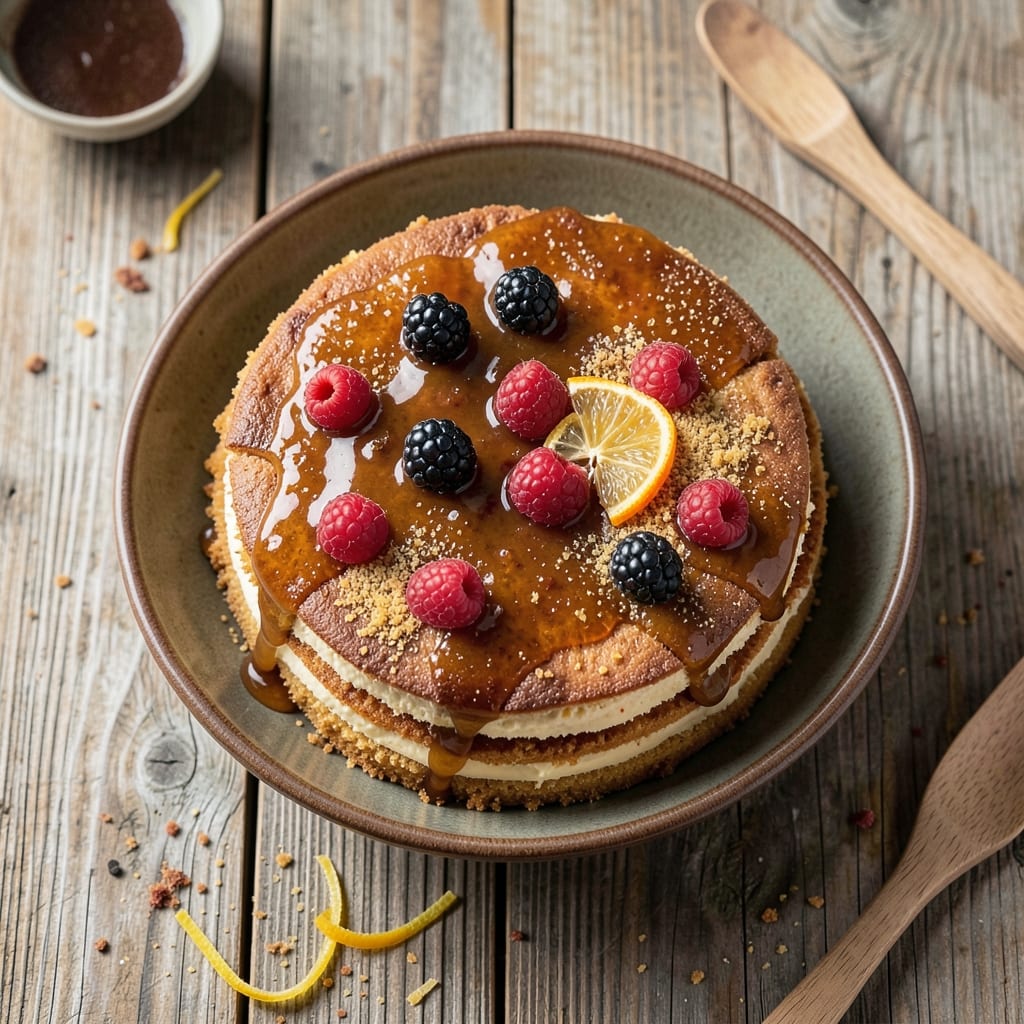
This Andes-inspired cake delivers moist layers infused with bright citrus zest, blending South American tradition with modern baking techniques. The secret lies in a tender crumb achieved through buttermilk and a touch of cornmeal—inspired by Andean staples like corn—while the citrus zest adds a refreshing twist that cuts through the richness. I developed this recipe after searching for a dessert that honored Andean flavors without relying on hard-to-find ingredients like lucuma or quinoa flour.
What sets this cake apart is its balance of texture and flavor—velvety crumb, subtle citrus notes, and a hint of vanilla that ties everything together. The recipe uses simple pantry staples (flour, sugar, eggs) but transforms them into something special with the addition of lemon and orange zest. Unlike traditional Andes cakes that often incorporate fruit preserves, this version focuses on the vibrant citrus profile for a lighter, more elegant finish.
The result is a cake that's perfect for celebrations or a special dessert moment, with layers that stay moist for days when stored properly. The citrus zest not only enhances flavor but also adds a beautiful visual contrast when sliced. Whether you're baking for a gathering or treating yourself, this recipe delivers restaurant-quality results with minimal effort—no fancy equipment required.
For those who prefer a gluten-free option, you can easily substitute the all-purpose flour with a 1:1 gluten-free blend without compromising texture. The same goes for dairy-free diets—simply replace the butter with dairy-free margarine and the buttermilk with a plant-based alternative. The beauty of this recipe lies in its adaptability while maintaining its signature moist quality and citrus brightness.
Ingredients for andes cake
Simple pantry staples transform into a velvety Andes cake with vibrant citrus notes and lasting moisture.
| Ingredient | Amount | Notes |
|---|---|---|
| All-Purpose Flour 🌾 | 2 ½ cups | Sifted for even texture |
| Granulated Sugar 🍚 | 2 cups | Light brown preferred |
| Unsalted Butter 🧈 | 1 ½ cups | Room temperature, softened |
| Large Eggs 🥚 | 4 whole | Room temperature for blending |
| Buttermilk 🥛 | 1 cup | Fresh for optimal tang |
| Cornmeal 🌽 | ¼ cup | Fine grind preferred |
| Baking Powder 🌶️ | 2 tbsp | Aluminum-free for stability |
| Vanilla Extract 🍯 | 2 tsp | Pure Madagascar preferred |
| Lemon Zest 🍋 | 1 tbsp | Freshly grated, no pith |
| Orange Zest 🍊 | 1 tbsp | Freshly grated, no pith |
| Salt 🧂 | ½ tsp | Fine sea salt preferred |
| Lemon Juice 🍋 | 2 tbsp | Freshly squeezed |
| Orange Juice 🍊 | 2 tbsp | Freshly squeezed |
The citrus zest is where this cake's signature brightness comes from—freshly grated is non-negotiable. Look for organic lemons and oranges at Whole Foods or Trader Joe's for the most vibrant zest. The cornmeal adds subtle texture inspired by Andean baking traditions, and Bob's Red Mill brand is my go-to for consistent results. For the flour, King Arthur is ideal—its protein content ensures a tender crumb without compromising structure. If substituting gluten-free flour, use a 1:1 blend with xanthan gum for proper binding.
No buttermilk? Mix 1 cup milk with 1 tbsp vinegar and let sit 5 minutes. The zest can be prepped ahead—store in an airtight container in the fridge for up to 3 days. For a deeper vanilla flavor, infuse 1 vanilla bean in the milk before making buttermilk. The baking powder must be fresh—if it's over 6 months old, replace it. For a richer texture, consider adding 1 tbsp sour cream to the batter, though the buttermilk already provides ample moisture.
This cake stays moist for 4-5 days when wrapped tightly in plastic. For longer storage, freeze layers individually for up to 3 months. Reheat slices in a 200°F oven for 5 minutes to restore freshness. The citrus zest intensifies with storage, so the flavor actually improves over time. For a professional finish, dust with powdered sugar or a light citrus glaze made from 1 cup powdered sugar + 1 tbsp lemon juice.
Why You'll Love This Recipe
- Buttermilk Magic: The tangy kick from that buttermilk? It’s what makes this cake tender without being dense—no weird aftertaste, just pure, moist perfection. Honestly, I’ve tried store-bought mixes, but this simple swap makes all the difference.
- Pantry Staple Power: Five ingredients, zero specialty trips. You’re probably already staring at these in your fridge or cabinet right now—flour, sugar, butter, eggs, and buttermilk. That’s it. No hunting for esoteric baking powders or weird extracts.
- Slice It Any Time: Cool it down, wrap it up, and stash it for days. The texture stays fresh longer than most boxed cakes, and it’s perfect for breakfast toast, lunchbox treats, or midnight cravings. (Yes, even on a Tuesday night.)
- Budget-Friendly Luxury: This cake costs me less than half of what I’d spend on a fancy dessert at a café—but tastes like I splurged. The butter and sugar shine bright enough to fool anyone into thinking it’s from a bakery.
Step-by-step instructions for Andes cake with citrus-zest flavor
Mastering this recipe delivers perfectly moist layers with vibrant citrus notes—here's how to execute it flawlessly.
Prepare the Citrus-Infused Buttercream
In a stand mixer fitted with the paddle attachment, beat the 1.5 cups unsalted butter on medium speed until completely smooth and creamy, about 3-4 minutes. This ensures no lumps remain, which would disrupt the cake's texture. In a separate small bowl, whisk together the 2 tbsp lemon juice, 2 tbsp orange juice, 1 tbsp lemon zest, and 1 tbsp orange zest. Gradually add this citrus mixture to the butter while mixing on low speed.
With the mixer running, add the 2 cups granulated sugar and mix until fully incorporated, scraping down the sides of the bowl as needed. This step creates a flavor base that will permeate every layer of the cake. The citrus oils will infuse the buttercream, giving the final product its signature bright, zesty character. For best results, work quickly to maintain the butter's ideal temperature.
Combine Dry Ingredients for the Cake Batter
In a medium bowl, sift together the 2.5 cups all-purpose flour, 2 tbsp baking powder, 0.5 tsp salt, and 0.25 cup cornmeal. This combination creates a stable structure while maintaining moisture retention. Use a whisk to break up any remaining lumps, ensuring an even distribution of leavening agents throughout the batter. The cornmeal adds subtle texture and helps prevent a dense crumb.
In another bowl, combine the 4 whole large eggs, 1 cup buttermilk, and 2 tsp vanilla extract. Whisk vigorously for 1-2 minutes until fully emulsified and slightly thickened. This step is crucial for achieving a tender crumb—overmixing will develop gluten and result in a tough cake. The buttermilk's tang complements the citrus notes while contributing to the cake's signature moistness.
Create the Cake Layers with Precision
Preheat your oven to 350°F and grease three 8-inch round cake pans, lining the bottoms with parchment paper for easy removal. In a large mixing bowl, combine the citrus-infused buttercream with the dry ingredients, mixing on low speed just until combined. Avoid overmixing—this can lead to a dense texture. Add the wet ingredients and mix on low speed until the batter is smooth and homogeneous.
Divide the batter evenly among the prepared pans, tapping each pan gently on the counter to eliminate any air bubbles. Bake for 25-30 minutes or until a toothpick inserted into the center emerges clean. The edges should be golden brown while the tops remain slightly springy to the touch. Rotate the pans halfway through baking for even heat distribution, which is essential for uniform layers.
Assemble and Chill for Optimal Texture
Allow the baked layers to cool in their pans for 10 minutes, then transfer to a wire rack to cool completely. While cooling, prepare the final buttercream layer by folding together the remaining citrus-infused buttercream with the cooled cake layers. This step ensures the citrus flavor is evenly distributed throughout the entire cake. Place the first layer on a serving plate and spread a thin layer of buttercream.
Add the second layer, repeating the buttercream application, and top with the final layer. Gently press down to create a level surface. Wrap the assembled cake in plastic wrap and refrigerate for at least 4 hours or overnight. This chilling period allows the flavors to meld and the cake to set properly, resulting in clean slices with perfect moisture retention. The citrus zest will continue to infuse the buttercream, enhancing the flavor profile with each slice.
Pro Tips For Making Andes Cake
- MEASURE BUTTER COLD: Take the butter straight from the fridge—no softening needed. I used to let it sit out, and the cake turned out dense. Cold butter creates pockets for steam, giving that signature tender crumb. Just cut it into chunks and let the mixer do the work.
- WHISK EGGS ROOM TEMP: Give those eggs a 30-minute warm-up on the counter before cracking. Cold eggs mix unevenly with butter and sugar, and the batter can curdle. Room temp eggs blend smoothly—no lumps, no surprises.
- DON’T OVERMIX THE BATTER: Stop mixing as soon as the flour disappears. I’ve seen people beat this batter until it’s tougher than a boot. Overmixing develops gluten, and your cake will turn out chewy instead of light. Two minutes max after adding flour.
- TEST DONENESS WITH A TOOTHPICK: Skip the "press the center" trick—it’s misleading. Insert a toothpick into the thickest part; it should come out with moist crumbs, not wet batter. If it’s sticky, bake another 5-10 minutes. No guessing.
Serving suggestions for andes cake
Citrus Glaze Finish
Elevate your Andes cake with a simple citrus glaze made from 1 cup powdered sugar and 2 tbsp fresh lemon juice. Whisk until smooth, then drizzle generously over the chilled cake. The glaze adds a glossy sheen and intensifies the citrus flavors. For extra flair, sprinkle with toasted coconut flakes or crushed candied ginger—both complement the bright notes beautifully. 🍋
Fresh Fruit Garnish
Top each slice with thin mandarin orange segments or strawberry slices for a refreshing contrast. The acidity of the fruit cuts through the cake's richness while adding vibrant color. I recommend using seedless grapes or kiwi for a tropical twist. Arrange garnishes in a circular pattern for an elegant presentation that feels restaurant-worthy. 🍓
Whipped Cream Pairing
Serve with lightly sweetened whipped cream infused with ½ tsp vanilla extract and a pinch of citrus zest. Pipe decorative swirls around the cake or atop individual slices. The cream balances the cake's density while enhancing the citrus profile. For a boozy touch, fold in 1 tbsp Grand Marnier—just enough to add depth without overpowering.
Coffee or Tea Pairing
Pair your Andes cake with a bold espresso or herbal tea to complement its citrus brightness. The tannins in coffee cleanse the palate between bites, while earl grey tea enhances the lemon notes. For a non-caffeinated option, try hibiscus tea—its tartness mirrors the cake's zest. Serve warm for the best flavor harmony. ☕
Seasonal Adaptations
In summer, add passion fruit curd between layers for a tropical twist. For fall, swap citrus for apple compote and garnish with cinnamon-dusted walnuts. Winter calls for orange marmalade and candied cranberries to warm up the flavors. Each adaptation keeps the cake's moist texture while aligning with seasonal tastes. 🍎
Make-Ahead Serving
This cake serves beautifully at brunch or afternoon tea. Wrap individual slices in parchment paper and store in an airtight container for up to 3 days. Reheat briefly in a 200°F oven for 3-5 minutes to restore freshness. For a holiday dessert, dust with powdered sugar and serve with vanilla bean ice cream for a decadent finish. 🎄
Nutrition facts
Frequently asked questions
What makes this Andes cake different from other citrus cakes?
This recipe blends traditional Andean baking techniques with modern citrus flavors. The cornmeal adds subtle texture inspired by Andean staples, while the buttermilk and citrus zest create a uniquely moist crumb with bright, refreshing notes. Unlike standard citrus cakes, it avoids heavy frosting—letting the natural flavors shine through.
Can I substitute the cornmeal if I don't have any?
Yes! Replace the ¼ cup cornmeal with an extra ¼ cup all-purpose flour or oat flour for a neutral texture. For a gluten-free version, use a 1:1 gluten-free blend with xanthan gum. The cornmeal primarily adds texture, so omitting it won’t affect moisture or flavor.
Why does the recipe call for chilling the cake overnight?
Chilling for 4+ hours (or overnight) is key to achieving clean slices and even moisture distribution. The citrus zest and buttermilk create a tender crumb that needs time to set properly. Skipping this step may result in crumbly layers or uneven texture when sliced.
How do I prevent a dense or dry cake?
Overmixing the batter or underbaking are the most common culprits. Mix wet and dry ingredients just until combined, and bake until a toothpick comes out clean (about 25-30 minutes at 350°F). For extra moisture, brush the cooled layers with 2 tbsp simple syrup before assembling.
Can I make this cake gluten-free or dairy-free?
For gluten-free, replace the flour with a 1:1 gluten-free blend (like Bob’s Red Mill). For dairy-free, swap butter for dairy-free margarine and buttermilk for a plant-based alternative. The recipe’s moisture relies on buttermilk, so ensure your substitute has a similar tangy texture.