
Desserts
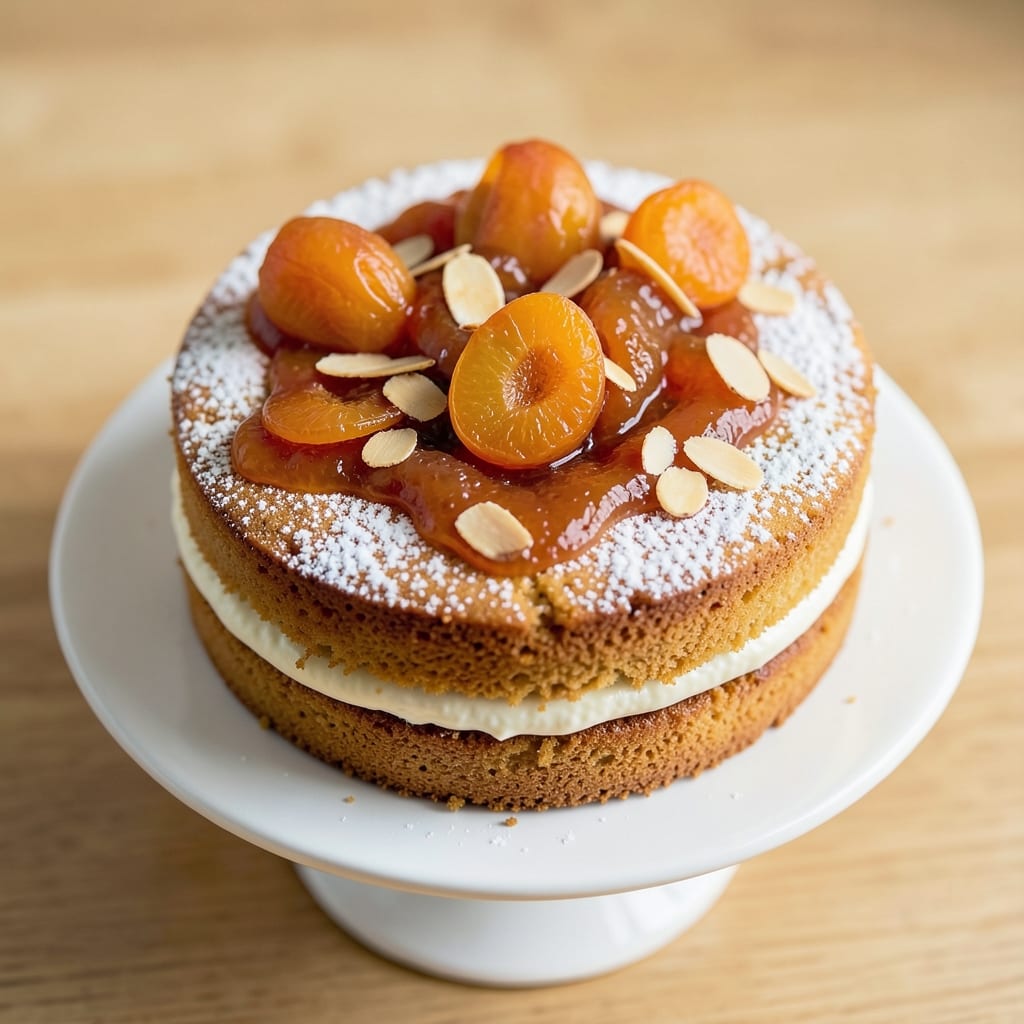
This apricot yogurt cake recipe delivers the perfect balance of tender layers and tangy-sweet apricot jam swirls. The yogurt keeps it moist without being dense, while the jam adds bursts of fruity flavor in every bite. I developed this recipe after years of baking, refining it until it achieved that signature light yet rich texture—ideal for spring or summer gatherings.
What makes this cake special is the technique: a simple sponge layer infused with yogurt for moisture, topped with a velvety apricot filling that swirls beautifully. Baking at 350°F for 25–30 minutes ensures a golden crust while keeping the inside tender. The result is a cake that’s elegant enough for a dessert table but easy enough for a weeknight treat.
The apricot jam swirls create pockets of fruity sweetness that contrast perfectly with the cake’s subtle tang. Topped with a dusting of powdered sugar or a dollop of whipped cream, it’s a dessert that feels both indulgent and refreshing. The recipe scales easily, so you can adjust the size to fit any occasion.
Perfect for brunch, picnics, or as a showstopper for dinner parties, this cake is versatile and foolproof. The yogurt base makes it naturally moist, while the apricot adds a bright, summery note. Let’s get baking!
Ingredients for apricot yogurt cake
Light, tender layers and tangy apricot swirls—just these ingredients transform into a showstopper cake.
| Ingredient | Amount | Notes |
|---|---|---|
| All-Purpose Flour 🌾 | 2 ½ cups | Sifted for light texture |
| Granulated Sugar 🍚 | 1 ½ cups | White or light brown |
| Plain Yogurt 🥛 | 1 cup | Full-fat, unsweetened |
| Apricot Jam 🍑 | 1 cup | High-quality, unsweetened |
| Unsalted Butter 🧈 | 1 cup | Room temperature, softened |
| Large Eggs 🥚 | 2 whole | Room temperature |
| Baking Powder 🍞 | 2 tsp | Aluminum-free preferred |
| Vanilla Extract 🌸 | 1 tsp | Pure, high-quality |
| Salt 🧂 | ½ tsp | Fine sea salt |
| Powdered Sugar 🍚 | ½ cup | For dusting |
| Heavy Whipping Cream 🥛 | 1 cup | Cold, for topping |
| Apricot Preserves 🍑 | ½ cup | For filling swirls |
The yogurt is the secret to that signature moistness. Full-fat plain yogurt works best—Greek or regular, just make sure it's unsweetened. Trader Joe's and Whole Foods carry great options, or grab a tub from the dairy section of your regular grocery store. For the apricot jam, look for unsweetened varieties—like Bonne Maman or local preserves—because you don’t want to overpower the delicate cake flavor. The butter should be room temperature, but not melted (press a finger into it—it should hold a slight indent).
No full-fat yogurt? Substitute with a mix of Greek yogurt and milk to mimic the fat content. Out of apricot jam? Mango or peach preserves work in a pinch, though the flavor will shift slightly. The vanilla extract matters here—imitation vanillavanilla bean paste adds beautiful flecks. For the powdered sugar topping, sift it through a fine-mesh sieve to avoid lumps—trust me, it makes all the difference.
This cake keeps beautifully for 3-4 days covered at room temperature, though it’s best enjoyed fresh. For longer storage, wrap tightly in plastic and refrigerate for up to 1 week. The filling stays vibrant if you assemble the cake just before serving, but you can prep the layers ahead and refrigerate them separately. The whipped cream topping should be added last—whip it up just before serving so it stays fluffy. Slice with a warm knife for clean cuts, and always serve with a dusting of powdered sugar.
Why You'll Love This Recipe
- No Mixer Needed: The yogurt keeps this cake tender without overworking the batter—just stir, pour, and bake. Honestly, I’ve made it twice with a fork and a spoon, and it’s still moist perfection.
- Jam Swirl Magic: That apricot jam doesn’t just add flavor—it transforms it. The buttery richness of the cake gets this bright, fruity kiss that makes every bite taste like summer in a slice.
- Crowd-Pleaser Flex: Bring it to a picnic, pack it for lunch, or serve it at a brunch—this cake handles any occasion without fuss. (Yes, even on a Tuesday night when you forgot to plan ahead.)
- Pantry-Proof Budget Win: Uses ingredients you already own (check your flour and sugar stash!) and stretches further than fancier desserts. My kids ask for seconds, and my wallet stays happy.
Step-by-step instructions for apricot yogurt cake
Here's how to create a perfectly moist apricot yogurt cake with professional-level layers and jam swirls.
Prepare the Cake Batter
Preheat your oven to 350°F and grease two 8-inch round cake pans, then line the bottoms with parchment paper. In a medium bowl, whisk together the 2.5 cups all-purpose flour, 2 teaspoons baking powder, and 0.5 teaspoon salt. Set aside.
In a large mixing bowl, cream the 1 cup unsalted butter and 1.5 cups granulated sugar together on medium speed until light and fluffy, about 3-4 minutes. This step incorporates air, which creates the cake's signature light texture. Add the 2 whole large eggs, one at a time, mixing well after each addition. Scrape down the sides of the bowl to ensure even mixing.
In a separate bowl, combine the 1 cup plain yogurt and 1 teaspoon vanilla extract. Gradually add this mixture to the butter-sugar mixture while mixing on low speed. Alternate adding the dry ingredients and the 1 cup apricot jam in three parts, beginning and ending with the dry ingredients. Mix just until combined—overmixing develops gluten and can make the cake dense. The batter should be thick but pourable.
Divide and Bake the Layers
Divide the batter evenly between the two prepared cake pans. Smooth the tops with a spatula. Bake for 25-30 minutes, or until a toothpick inserted into the center comes out clean. The cakes should be golden brown and spring back when gently pressed.
Here's the thing—don't open the oven door during the first 20 minutes of baking. The sudden temperature drop can cause the cakes to sink. Once baked, let the cakes cool in the pans for 10 minutes, then transfer them to a wire rack to cool completely. This cooling step is crucial for preventing crumbs when adding the filling later.
Prepare the Apricot Filling
While the cakes cool, prepare the apricot filling. In a small bowl, mix the 0.5 cup apricot preserves with 1 tablespoon of the reserved apricot jam (from the batter preparation) to create a thicker, more spreadable consistency. This mixture will create the signature swirls in your cake.
In a separate bowl, whip the 1 cup heavy whipping cream and 0.5 cup powdered sugar together until soft peaks form. This lightened cream will add a delicate contrast to the rich apricot filling. You can add a pinch of vanilla extract if desired, but the apricot flavor should shine through.
Assemble the Cake
Place the first cake layer on a serving plate. Spread an even layer of the apricot preserve mixture over the top, leaving a ½-inch border uncovered. This border ensures the filling stays contained when you slice the cake. Gently press the second cake layer on top, then spread the whipped cream evenly over the top and sides of the cake.
To create the swirls, use a long, sharp knife or offset spatula to gently cut through the cake layers at an angle, rotating the knife as you go. This technique creates beautiful, even swirls that showcase the apricot filling. Finish by dusting the top and sides with additional powdered sugar for a professional touch.
Chill and Serve
Refrigerate the cake for at least 2 hours before serving. This chilling time allows the flavors to meld and the cake to set properly. When ready to serve, slice with a warm knife for clean cuts. Each slice should reveal layers of tender cake, tangy apricot filling, and light whipped cream.
Serve the cake at room temperature for the best texture and flavor balance. The yogurt base keeps the cake moist, while the apricot jam adds a delightful sweet-tart contrast. For an elegant presentation, garnish with fresh berries or a sprinkle of toasted almonds.
Pro Tips For Making Apricot Yogurt Cake
- STRAIN YOUR YOGURT: Thick, clumpy yogurt makes for a dense cake—no one wants a brick. Strain it through a fine-mesh sieve or cheesecloth for 10-15 minutes before mixing. This also cuts down on excess moisture, so your cake stays tender without being gummy. (Yes, it’s tedious, but trust me, the texture is worth it.)
- MIX DRY INGREDIENTS FIRST: I used to toss the yogurt in with the wet ingredients first, and the batter always turned out lumpy. Whisk the flour, sugar, and baking powder together before adding anything else—this prevents gluten overdevelopment and ensures a smoother crumb. Just fold the yogurt and melted butter in at the end like you’re being gentle with a newborn.
- DON’T OVERBAKE THE LAYERS: Apricot jam loves to caramelize, and if you let the cake layers dry out, you’ll end up with a sad, crumbly mess. Pull them from the oven when the center still has a slight wobble—about 2-3 minutes before the recipe says. They’ll firm up as they cool. (And for the love of all things sweet, resist the urge to peek early.)
- USE ROOM-TEMPERATURE BUTTER: Cold butter creates pockets of steam in the cake, leading to tunnels and uneven baking. Let your butter sit out for 30-45 minutes before creaming—just until it’s soft enough to press a fingerprint into it. This guarantees a smoother batter and even rise. (Pro move: Microwave it for 10 seconds if you’re impatient, but not a second longer.)
Troubleshooting great apricot yogurt cake
Dense or Gummy Cake
If your cake turns out dense or gummy, the yogurt might not have been fully incorporated or the batter was overmixed. I’ve found that mixing the dry ingredients and wet ingredients separately, then combining them gently, prevents overdevelopment of gluten. Also, ensure your butter is room temperature but not melted—this helps create air pockets for a lighter texture. 💡
Cracked Top or Sinking Layers
Cracked tops or sinking layers usually happen when the oven temperature fluctuates or the batter isn’t poured evenly. To avoid this, place a baking sheet on the rack below your cake pans to catch any drips and stabilize the heat. Also, don’t open the oven door during the first 20 minutes of baking—this sudden temperature drop can cause the cakes to sink. 🌡️
Filling Leaks or Doesn’t Swirl
If the apricot filling leaks out when you slice the cake, it’s likely because the layers weren’t cool enough before assembly. Let the cakes cool completely on a wire rack before spreading the filling. For better swirls, use a long, sharp knife or offset spatula to cut through the layers at an angle, rotating the knife as you go. This creates clean, even swirls without tearing the cake. ✨
Dry or Crumbly Texture
A dry or crumbly texture usually means the cake was overbaked or the yogurt wasn’t fresh. Pull the cakes out of the oven as soon as a toothpick comes out clean—overbaking dries out the moisture from the yogurt. For extra moisture, brush the cooled layers with a simple syrup made from ¼ cup water and 2 tablespoons sugar before assembling. 💧
Jam Filling Too Runny
If your apricot filling is too runny, it’s likely because the preserves weren’t thickened enough. Mix the 0.5 cup apricot preserves with 1 tablespoon of the reserved apricot jam (from the batter) to create a thicker consistency. For an even thicker filling, simmer the preserves with 1 teaspoon cornstarch mixed with 1 tablespoon water for 2-3 minutes until it thickens. 🍑
Cake Sticks to Pans
If your cake sticks to the pans, it’s probably because they weren’t greased or lined properly. Always grease your 8-inch round cake pans with butter or baking spray, then line the bottoms with parchment paper. For extra insurance, dust the pans with flour or powdered sugar before pouring in the batter. This ensures easy release and clean slices. 🧈
Nutrition facts
Frequently asked questions
Can I use Greek yogurt instead of regular yogurt in this recipe? Yes! Greek yogurt works beautifully, but it's thicker, so you may need to thin it slightly with 1-2 tablespoons of milk to achieve the right consistency. The extra protein in Greek yogurt actually makes the cake even more tender. Just
How do I make this cake gluten-free?
Replace the all-purpose flour with a 1:1 gluten-free baking flour blend (like Bob's Red Mill or King Arthur). You'll need to add ½ teaspoon xanthan gum to help bind the cake. Also, use gluten-free oats if you're using them for garnish. The texture will be slightly denser but still delicious.
Can I substitute apricot jam with another fruit preserve?
Try peach, mango, or raspberry preserves for a different flavor twist. Just adjust the sweetness - tart preserves like raspberry may need a touch more sugar in the cake batter. For a tropical variation, guava or passionfruit jam works wonderfully too. The key is using unsweetened preserves to maintain balance.
How can I make this cake dairy-free?
Use dairy-free butter (like Miyoko's or Earth Balance) and coconut yogurt instead of regular yogurt. For the whipped cream topping, use coconut whipped cream or a dairy-free alternative. The texture will be slightly different but still moist and delicious. You may need to increase the leavening by ½ teaspoon to compensate for the lack of dairy fat.
What's the best way to store leftovers?
Keep the cake covered at room temperature for up to 3 days in an airtight container. For longer storage, refrigerate for up to 1 week. To serve, let it sit at room temperature for 30 minutes before slicing. The yogurt base keeps it moist even when refrigerated, but the texture is best when enjoyed fresh.