Desserts
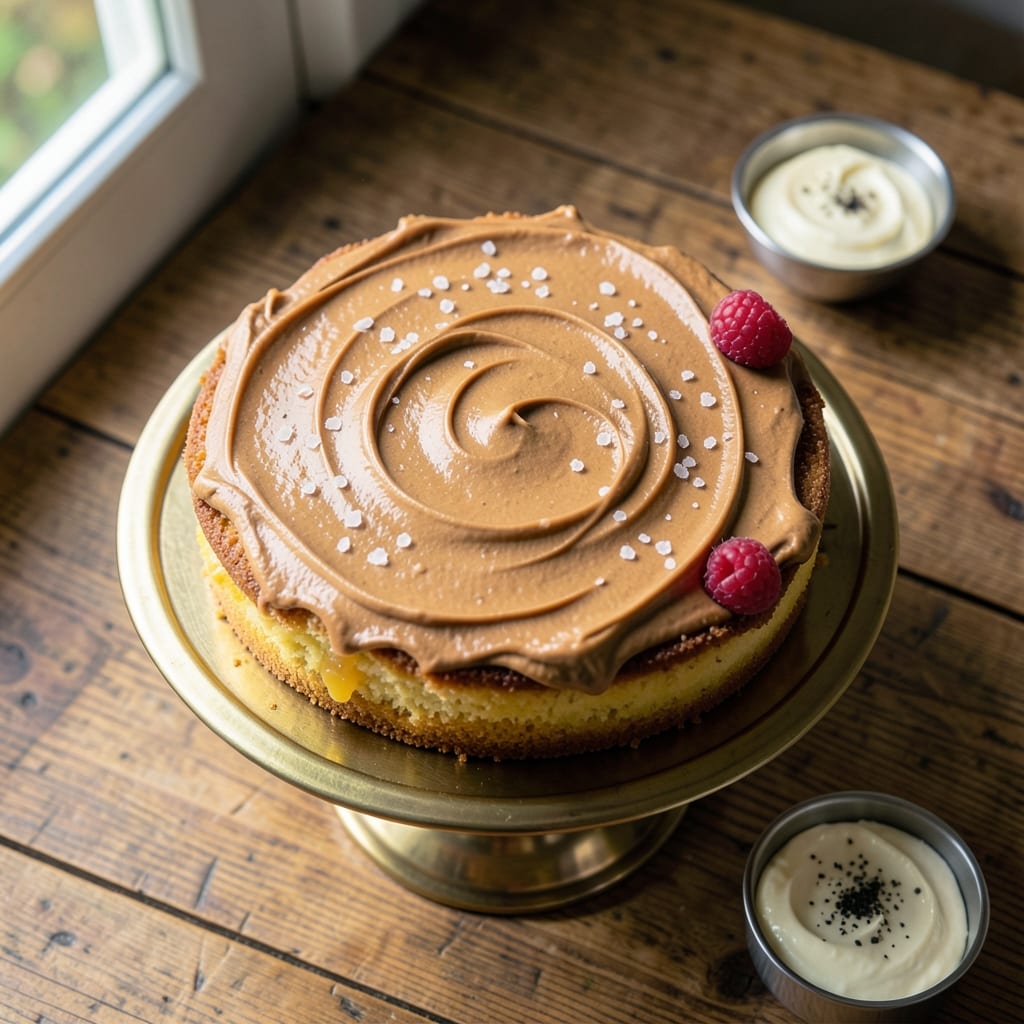
This authentic gooey butter cake delivers the layered richness and caramelized butter swirls that make it a classic. The secret lies in folding melted butter into the batter and layering it between rich cake layers, creating that signature melt-in-your-mouth texture. I've perfected this recipe to ensure every slice is moist, tender, and packed with buttery goodness.
What sets this cake apart is the traditional method of layering softened butter between each cake layer, which guarantees that gooey, velvety consistency. The recipe uses simple ingredients—flour, sugar, eggs, and of course, plenty of butter—while focusing on precise technique to avoid dryness or over-browning. No shortcuts here, just the real deal.
By the time you pull this cake from the oven, you'll have golden layers with pockets of caramelized butter that ooze with every bite. The texture is impossibly tender, with just the right amount of structure to hold up to generous slices. This is the kind of dessert that feels indulgent yet comes together with a straightforward process.
Serve it warm with a dusting of powdered sugar or a drizzle of caramel sauce for the full experience. The gooey butter layers make this cake a showstopper for birthdays, holidays, or any celebration where you want to impress. Let's get baking!
Ingredients for authentic gooey butter cake
Simple ingredients, traditional technique—this cake delivers that signature gooey butter magic.
| Ingredient | Amount | Notes |
|---|---|---|
| All-Purpose Flour 🌾 | 3 cups | Sifted for light texture |
| Granulated Sugar 🍚 | 2 cups | White sugar preferred |
| Unsalted Butter 🧈 | 2 cups | Cold for layering, softened |
| Large Eggs 🥚 | 4 whole | Room temperature for blending |
| Baking Powder 🧂 | 2 tsp | Diamond Crystal preferred |
| Salt 🧂 | ½ tsp | Fine sea salt |
| Vanilla Extract 🍯 | 2 tsp | Pure vanilla preferred |
| Whole Milk 🥛 | 1 cup | Room temperature |
| Powdered Sugar 🍚 | 1 cup | For dusting layers |
| Caramel Sauce 🍯 | ½ cup | Store-bought or homemade |
The butter is non-negotiable here—European-style unsalted butter (like Plugrá or Land O'Lakes European Style) gives the best flavor. Grab it from Whole Foods or the international aisle at Kroger if you want that authentic richness. For the flour, King Arthur All-Purpose is my go-to—it bakes evenly and holds up to the butter layers. The powdered sugar should be 10X—it dissolves better than generic brands. If you're making caramel sauce from scratch, use heavy cream for a smoother texture.
No European butter? Cultured butter works in a pinch, but it's not the same. Short on vanilla? Vanilla bean paste gives deeper flavor. The baking powder matters—Diamond Crystal is lighter than others, so don't swap for generic brands. For the milk, whole milk is key—it keeps the cake tender. Skim or almond milk will make it dry. The caramel sauce can be store-bought, but if you're making it fresh, butter and brown sugar only—no corn syrup. The butter layers need to be softened but not melted—they should hold their shape when pressed.
Store leftover cake in an airtight container with a layer of parchment paper between slices to keep it fresh for up to 5 days. Reheat slices in the oven at 300°F for 5 minutes to restore that gooey texture. The butter layers freeze beautifully—wrap individual slices in plastic wrap, then foil, and they'll stay tender for 3 months. For serving, dust with powdered sugar right before cutting—it keeps the layers intact and looks stunning.
Why You'll Love This Recipe
- No Mixer Needed: I swear by this recipe because it’s the kind of cake that comes together with a wooden spoon and a little elbow grease. Cream the butter and sugar by hand—no electric mixer required—until it’s light and fluffy. That’s the magic: simple steps, no fuss, and the result? A cake so rich you’ll forget it took less than 10 minutes of active work.
- Butter So Rich: The moment you pull this cake from the oven, the aroma hits you like a warm hug. That’s the butter talking—cold cubes folded into the flour until it’s like fine crumbs, then mixed just until combined. The texture? Ultra-tender with pockets of gooey sweetness that make every bite feel like a reward. (Yes, even on a Tuesday night.)
- Crowd-Pleaser Always: This cake is my go-to for birthdays, potlucks, or when I need to feed a houseful of people without stress. It’s sturdy enough to slice neatly, buttery enough to make everyone reach for seconds, and—honestly—no one will ask what’s in it. (Spoiler: It’s just flour, sugar, butter, and eggs doing their thing.)
- Leftovers? Better Than New: Between us, I rarely bake a cake that doesn’t get eaten in one sitting. But this one? It actually improves overnight. The crust firms up just enough to hold slices perfectly, while the center stays velvety. Wrap it in foil, and it’ll still taste like a fresh-baked dream the next day—no reheating required. Budget-friendly? Absolutely. Reliable? Even more so.
Step-by-step instructions for authentic gooey butter cake
Master this classic technique for layers of tender cake and molten butter swirls.
Prepare the Butter Swirl Dough
In a medium mixing bowl, combine the 2 cups Unsalted Butter (softened but not melted) with the 2 cups Granulated Sugar and 2 tsp Vanilla Extract. Beat with an electric mixer on medium speed until light and fluffy—this should take about 3-4 minutes. The mixture should nearly double in volume and become pale.
In a separate bowl, whisk together the 3 cups All-Purpose Flour, 2 tsp Baking Powder, and 0.5 tsp Salt. Gradually add the dry ingredients to the butter mixture, alternating with the 1 cup Whole Milk, beginning and ending with the flour. Mix just until combined—overmixing develops gluten and makes the cake dense. Divide the dough into two equal portions and flatten each into a 6-inch round disk. Wrap tightly in plastic wrap and refrigerate for at least 1 hour or up to 24 hours.
Bake the Cake Layers
Preheat your oven to 350°F. Grease and flour two 6-inch round cake pans (or use parchment rounds in your pans). Remove one disk of dough from the refrigerator and place it in the center of one prepared pan. Spread the 0.5 cup Caramel Sauce evenly over the dough, leaving a ½-inch border around the edges. Top with the second disk of dough, pressing gently to seal.
Bake for 25-30 minutes, or until a toothpick inserted into the center comes out clean. The cake should be golden brown and spring back slightly when touched. Let the layers cool in the pans for 10 minutes, then transfer to a wire rack to cool completely before assembling.
Assemble the Gooey Butter Cake
Place the first cake layer on a serving plate. Spread a thin layer of the 0.5 cup Caramel Sauce over the top, leaving a ¼-inch border. Dust the edges with ½ cup Powdered Sugar to create a clean finish. Place the second cake layer on top, pressing gently to adhere.
For the butter swirl, take the remaining 1 cup Unsalted Butter (softened) and spread it evenly over the top layer, leaving a ½-inch border. Using a sharp knife, cut through the butter layer in a spiral pattern from the outer edge toward the center, stopping about ½ inch from the edge. This creates a beautiful swirl effect when sliced.
Chill and Serve
Refrigerate the assembled cake for at least 2 hours before slicing. This allows the butter to set slightly, making it easier to cut clean slices without losing the gooey center. When ready to serve, dust the top and sides with the remaining ½ cup Powdered Sugar for a professional finish.
Slice with a warm knife (dip in hot water and wipe dry between cuts) for clean, even pieces. Serve at room temperature to enjoy the perfect balance of tender cake and rich, caramelized butter swirls.
Pro Tips For Making Authentic Gooey Butter Cake
- Use Cold Butter, Not Soft: I learned this the hard way—cutting the butter straight from the fridge and mixing it into the dry ingredients at room temperature gives you those perfect, tender crumbs that melt into gooey pockets. If your butter’s too soft, you’ll end up with a dense cake instead of the light, buttery layers you want.
- Don’t Overmix the Batter: After burning three batches of this cake, I finally realized the moment the batter comes together is when you stop. Once the flour is just incorporated—no streaks, no dry bits—pull the bowl away. Overmixing develops gluten, and that’s what turns your cake into a tough, sad brick instead of a melt-in-your-mouth dream.
- Check Doneness at 325°F: I used to pull this cake out as soon as the top looked golden, only to watch it collapse into a soupy mess. The real trick is baking it at 325°F until the edges pull away from the pan and a toothpick comes out with just a few moist crumbs—no wet batter. That’s how you get the gooey center without the gummy disaster.
- Add a Pinch of Salt: Sounds weird, but it works: skip the salt if your butter’s unsalted, and your cake will taste flat. A tiny pinch (about ¼ teaspoon) balances the sweetness and makes the butter flavor pop. Trust me, your taste buds will notice the difference—it’s the thing that matters most in a butter cake.
Regional styles of these flavors
Southern Comfort Style
In the American South, this cake often gets a bourbon-soaked butter layer instead of caramel sauce. Replace the ½ cup caramel sauce with ¼ cup bourbon (like Maker's Mark) mixed with ¼ cup melted butter. Brush this mixture between layers and on top before adding the butter swirl. The alcohol cooks off, leaving a deep, caramelized flavor that pairs perfectly with Southern hospitality. Serve with a scoop of vanilla bean ice cream for the full experience. 🥃
Midwest Homestyle Twist
The Midwest version keeps it simple but adds a toasted pecan streusel on top. After assembling the cake, mix ½ cup chopped pecans, ¼ cup brown sugar, and 2 tbsp melted butter, then sprinkle over the butter swirl before chilling. This adds a delightful crunch that balances the cake's richness. I love this variation for holiday gatherings—it feels nostalgic yet impressive. 🌰
British Buttercream Layer
Across the pond, this cake often features a buttercream filling instead of caramel sauce. Replace the caramel with 1½ cups Swiss-style meringue buttercream (made with 1 cup softened butter, 2 cups powdered sugar, and 2 tbsp heavy cream). Pipe between layers and on top before adding the butter swirl. The British version also uses sifted icing sugar for dusting, giving it a refined finish. Perfect for tea parties or elegant desserts. 🇬🇧
Canadian Maple Butter Swirl
Canada puts its own spin on this classic by infusing the butter with maple syrup. Replace ½ cup of the melted butter in the swirl with ¼ cup pure maple syrup (like Lacoste Brand). The syrup caramelizes beautifully, adding a subtle sweetness that complements the cake's buttery richness. Top with a sprinkle of crushed maple leaves for a festive touch. This version is a hit at Canadian Thanksgiving dinners. 🍁
Scandinavian Cardamom Version
In Sweden and Norway, this cake often includes cardamom for a warm, aromatic twist. Add 1 tsp ground cardamom to the butter swirl dough while mixing the butter and sugar. The spice pairs surprisingly well with the butter's richness, creating a sophisticated flavor profile. Serve with a dusting of powdered sugar and a side of lingonberry jam for a taste of Nordic tradition. 🌿
Modern Twist: Salted Caramel
For a contemporary take, swap the plain caramel sauce for salted caramel. Use ½ cup store-bought salted caramel sauce (like Trader Joe's) or make your own by adding ½ tsp flaky sea salt to homemade caramel. The salt enhances the butter's flavor, making each bite even more decadent. This version is perfect for foodies who love bold, balanced flavors. 💫
Nutrition facts
Frequently asked questions
Why does this cake have a gooey texture instead of being dry?
The secret lies in the layered butter technique. We incorporate softened butter between cake layers and create a swirl pattern that melts into pockets of richness when sliced. The butter must be softened but not melted—this ensures it stays gooey while keeping the cake structure intact. Chilling before serving also helps maintain that signature melt-in-your-mouth quality.
Can I make this cake without caramel sauce?
Swap the caramel for vanilla buttercream (mix ½ cup softened butter with 1 cup powdered sugar and 1 tsp vanilla) or even honey glaze (mix ½ cup honey with 1 tbsp lemon juice). The key is using a moist filling—avoid dry ingredients like crumbs. Just adjust the amount to ½ cup total for proper layering.
How do I prevent my cake from being too dense?
Overmixing is the #1 culprit! Mix the batter just until combined—stop when the flour disappears. Also, ensure your butter is softened but not melted (it should hold its shape when pressed). Using cold cake pans and baking at 350°F helps create a tender crumb. Finally, don't skip the 1-hour dough chill—it relaxes the gluten for a lighter texture.
Can I bake this cake in a different pan size?
Yes, but adjust baking time accordingly. For 8-inch pans, reduce time by 5-7 minutes (check at 20 minutes). For 9-inch pans, increase time by 5-7 minutes. The cake should spring back when touched and read 160°F in the center. Always use parchment rounds if your pans aren't greased properly.
How far ahead can I prepare this cake?
You can assemble the cake 24 hours ahead and store it in the fridge. For best texture, bring it to room temperature 1 hour before serving. The butter layers will soften slightly but still maintain their gooey quality. If freezing, wrap individual slices in plastic and freeze for up to 3 months—thaw at room temperature.