
Breakfast & Brunch
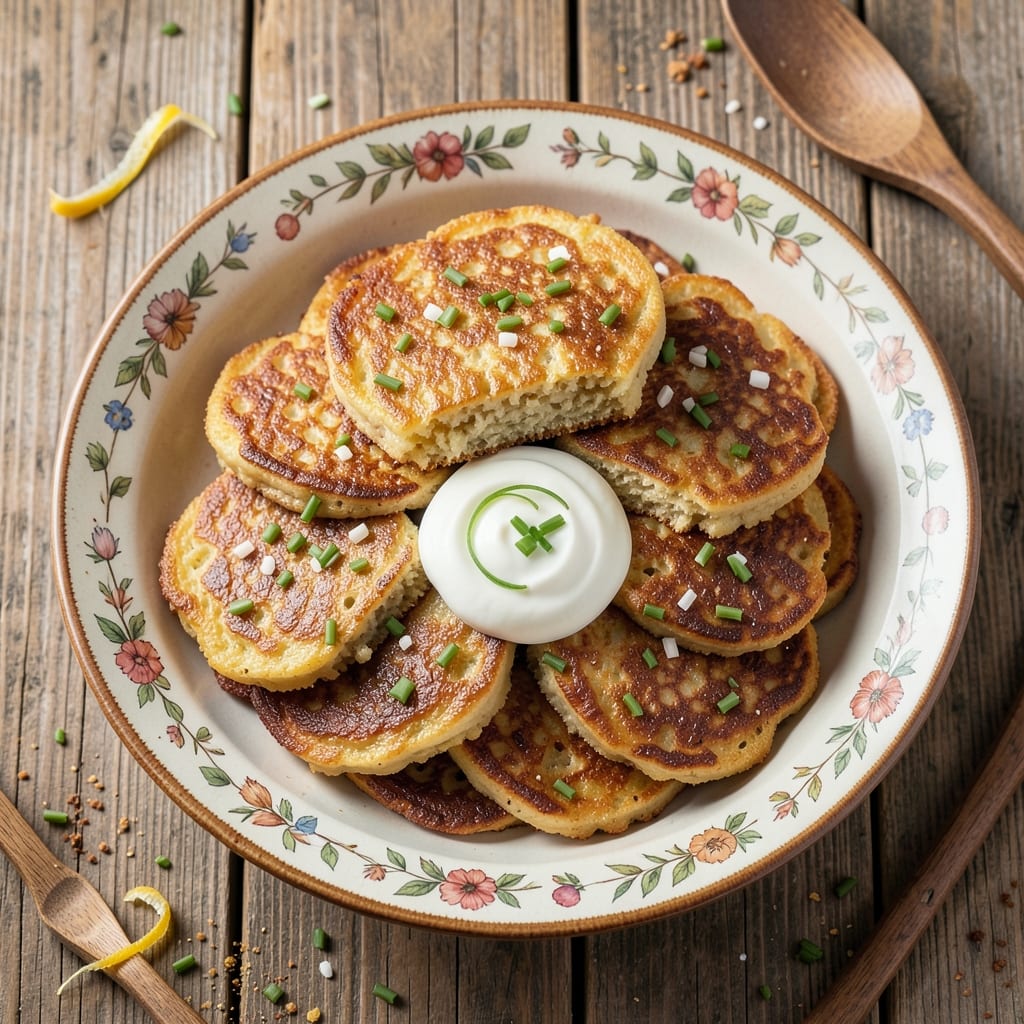
This authentic Polish potato pancake recipe brings the heart of Eastern Europe to your kitchen with its signature crispy edges and fluffy centers. Placki ziemniaczane, as they're called in Poland, are a beloved comfort food that dates back centuries, traditionally served with sour cream and chives. The secret lies in the perfect balance of grated potatoes, eggs, and flour, fried just until golden—but not overdone. What sets these apart from other potato pancakes is the traditional frying technique, where the batter is pressed flat and cooked slowly to achieve that ideal texture. Unlike their American or German counterparts, Polish versions often include a touch of sour cream in the batter for extra tenderness. Regional variations exist too—Masurian-style pancakes might be slightly thicker, while Silesian versions lean toward crispier edges. By the time you take that first bite, you'll taste the authentic flavors of Poland: the satisfying crunch of the exterior, the soft, pillowy interior, and the subtle tang from the sour cream. These pancakes are perfect for breakfast, brunch, or even as a hearty side dish with smoked salmon and pickled vegetables. Ready to master the art? Let's create these crispy, golden pancakes that taste like home. The key is patience—don't rush the frying, and you'll have a dish that's both nostalgic and impressive. Serve warm with sour cream and fresh herbs for the full Polish experience.
Ingredients for authentic polish potato pancake
Russet potatoes, eggs, and sour cream—these simple ingredients transform into Poland's beloved crispy pancakes.
| Ingredient | Amount | Notes |
|---|---|---|
| Russet Potatoes 🥔 | 3 lb | Peeled, grated on fine side |
| All-Purpose Flour 🌾 | ½ cup | For crispy texture |
| Large Eggs 🥚 | 2 whole | Room temperature preferred |
| Sour Cream 🥛 | ¼ cup | Full-fat for authenticity |
| Fresh Chives 🌿 | ¼ cup | Finely chopped, for garnish |
| Salt 🧂 | 1 ½ tsp | Kosher or sea salt |
| Black Pepper 🌶️ | ½ tsp | Freshly ground preferred |
| Vegetable Oil 🫒 | 2 cups | High smoke point oil |
| Garlic Powder 🧄 | 1 tsp | For subtle depth |
| Fresh Dill 🌿 | 1 tbsp | Optional, for freshness |
| Lemon Juice 🍋 | 1 tbsp | Brightens flavors |
The potatoes make or break this recipe. Russet potatoes are ideal—they're starchy and hold up to grating. Grab a box from Kroger or Whole Foods for the best texture. Peel them first, then grate them on the fine side of a box grater (the kind with the holes, not the shredder). Squeeze out all the excess liquid using a clean kitchen towel or cheesecloth—this is key for crispy pancakes. If you're feeling fancy, try a mandoline with a julienne attachment for even shreds, but a grater works just fine. The sour cream? Full-fat is non-negotiable—it adds that authentic tang and keeps the pancakes tender.
No sour cream? Plain Greek yogurt works in a pinch, but it won't be quite the same. Running short on chives? Fresh parsley or scallions are great swaps—they bring a similar brightness. The vegetable oil is where you can splurge: Avocado or sunflower oil have high smoke points and add a neutral flavor. If you're feeling adventurous, add a dash of paprika for a smoky twist, but stick to the classic recipe for that true Polish taste. The batter should be thick but not dry—if it's too loose, add a splash more flour. Too thick? A little more grated potato or a splash of milk (or water) will fix it.
These pancakes are best served fresh, but you can prep ahead. Grate the potatoes and squeeze out the liquid up to 24 hours ahead—store them in the fridge in a sealed container. The batter itself keeps for 4-6 hours in the fridge, but it's best fried right away. For leftovers, store them in a single layer on a wire rack to keep them crispy, then reheat in a 350°F oven for 5-10 minutes. Freezing isn't ideal—they get soggy—but if you must, freeze them raw (unfried) on a tray before transferring to a bag. Fry from frozen, adding a minute or two to the cooking time.
Why You'll Love This Recipe
- No Grater Needed: I’ll admit, I used to dread the grating—until I realized you can just shred those Russets with a box grater or pulse them in a food processor. Either way, the result is the same fluffy, golden goodness, and honestly? The kids don’t even notice.
- Creamy-Crisp Magic: That first bite—crispy outside, pillowy inside—is what makes this recipe worth repeating. The sour cream keeps them tender, while the egg binds everything together like a hug. Add fresh chives at the end, and suddenly, you’ve got restaurant-quality flavor without the fuss.
- Weeknight Hero: Between us, these pancakes are my go-to when I need to feed a crowd fast. They reheat beautifully, so I make a double batch on Sundays and freeze half. By Friday, they’re crispy again, and no one’s complaining—especially when paired with applesauce or sour cream.
- Budget-Friendly Staples: Russets and flour are cheap, eggs are cheap, and sour cream stretches far. I’ve fed six people for under $10 with this recipe, and the leftovers? They last days if you store them right. Not the prettiest, but the taste makes up for it every time.
Step-by-step instructions for authentic Polish potato pancakes
Here's how to make these golden, crispy potato pancakes with fluffy centers—just like in Polish homes.
Prepare the Potato Mixture
Start by grating the 3 lb Russet Potatoes on the fine side of a box grater. Place the grated potatoes in a clean kitchen towel and squeeze out all the excess moisture—this is crucial for crispy pancakes. The mixture should be dry enough to hold its shape when pressed.
In a large mixing bowl, combine the grated potatoes with the 0.5 cup All-Purpose Flour, 1.5 tsp Salt, 0.5 tsp Black Pepper, 1 tsp Garlic Powder, and 1 tbsp Lemon Juice. Mix gently but thoroughly to distribute the seasonings evenly. The lemon juice brightens the flavor and helps balance the richness of the sour cream later.
Add the 2 whole Large Eggs and 0.25 cup Sour Cream to the potato mixture and fold everything together until just combined. Be careful not to overmix—the batter should be slightly lumpy. Real Polish potato pancakes have texture, not a smooth, dense consistency. If the mixture feels too wet, add 1-2 tablespoons more flour to help bind it.
Chill the Batter
Cover the bowl with plastic wrap and refrigerate the potato mixture for at least 30 minutes. This resting step is essential—it allows the flour to fully hydrate and the flavors to meld. Chilling also prevents the pancakes from spreading too much when frying, giving you that perfect crispy edge and tender center.
While the batter chills, finely chop the 0.25 cup Fresh Chives and 1 tbsp Fresh Dill (if using) and set them aside. These herbs add a fresh, bright contrast to the rich potato flavor. If you're feeling adventurous, you can also add a pinch of cayenne pepper for a subtle kick—just don't tell my Polish grandmother I suggested that!
Fry the Pancakes to Golden Perfection
Heat 2 cups Vegetable Oil in a large skillet over medium-high heat until it reaches 350°F—use a deep-fry thermometer to monitor the temperature. This is the sweet spot for crispy, not greasy, pancakes. If you don't have a thermometer, test the oil by dropping a small piece of potato mixture in—it should sizzle and float to the surface within 10 seconds.
Using a ¼-cup measuring cup, scoop the chilled potato mixture and carefully drop it into the hot oil. Flatten each portion slightly with the back of the measuring cup to create even pancakes. Fry 3-4 pancakes at a time, turning them only once when the underside is golden brown and crispy—this usually takes about 3-4 minutes per side. Don't overcrowd the pan, or the oil temperature will drop and your pancakes will turn soggy.
As each pancake cooks, transfer it to a paper towel-lined plate to drain excess oil. Keep the cooked pancakes warm in a 200°F oven while you finish frying the rest. This low heat maintains their crispiness without making them rubbery.
Serve with Traditional Flair
Once all the pancakes are golden and crispy, transfer them to a serving platter. Sprinkle the chopped fresh chives and fresh dill over the top for a pop of color and freshness. Serve immediately with classic accompaniments like applesauce, sour cream, or smoked salmon for an authentic Polish touch.
For the ultimate experience, squeeze a little extra lemon juice over the pancakes just before serving—it cuts through the richness and enhances all the flavors. These pancakes are best enjoyed fresh and warm, with that perfect contrast of crispy edges and fluffy, tender centers. Trust me, your taste buds will thank you!
Pro Tips For Making Authentic Polish Potato Pancake
- GRATE THEM DRY: Russet potatoes release way more moisture than you’d think—after grating, squeeze out every last drop with a clean kitchen towel or cheesecloth. I learned this the hard way when my first batch turned into a soggy mess. Wet potatoes = greasy, dense pancakes. (Yes, even if you’re impatient like me.)
- USE COLD SOUR CREAM: Straight from the fridge, sour cream adds richness without overpowering. If you pull it out to mix, it’ll turn the batter too warm, and your pancakes might steam instead of crisp. Cold also prevents the eggs from scrambling prematurely—trust me, you’ll taste the difference.
- FLATTEN THEM THIN: Polish potato pancakes (placki ziemniaczane) need to be thin—about ¼-inch thick—so they crisp properly. Use a rolling pin or the bottom of a heavy pan to press them evenly. Thicker ones stay gummy inside; thinner ones get that golden, lacy crust. (And no, a spatula won’t cut it.)
- FRIE THEM TWICE: Start in a cold pan with about ¼-inch of oil (enough to coat the bottom) and let them warm through gently. Once golden on the first side, flip and crank the heat to medium-high for a crisp finish. Skipping the two-step heat control = burnt edges and raw centers. (Your future self will thank you.)
Make-ahead tips for this recipe
Batter Prep Ahead
Grate the potatoes and squeeze out excess moisture up to 24 hours ahead—store them in an airtight container in the fridge. This step prevents soggy pancakes later. The batter itself keeps well for 4-6 hours in the fridge, but I recommend frying within 2 hours for the crispiest results. If prepping ahead, cover the bowl tightly with plastic wrap to prevent drying. 🥔
Frying Shortcuts
Use a non-stick skillet like Calphalon to reduce sticking and oil splatter. I like to preheat the oil while the batter chills—this keeps everything moving efficiently. For faster frying, work in batches of 3-4 pancakes at a time, maintaining 350°F oil temperature between batches. A deep-fry thermometer is worth the investment for consistent results. 🔥
Storage Solutions
Store leftover pancakes in a single layer on a wire rack to maintain crispiness. Reheat in a 350°F oven for 5-10 minutes until golden again. For longer storage, freeze raw pancakes (unfried) on a tray before transferring to a bag. Fry from frozen, adding 1-2 extra minutes per side—they'll still be delicious, though not quite as crispy as fresh. ❄️
Make-Ahead Serving
Assemble your serving platter ahead of time with sour cream, chives, and smoked salmon. Keep the pancakes warm in a 200°F oven while you finish frying the last batch. This way, everything is ready to serve immediately—no last-minute scrambling. I like to squeeze lemon juice over the pancakes just before serving for that bright, fresh finish. 💫
Batch Cooking Tips
Double the recipe for parties or meal prep. Fry half the batch immediately, then store the remaining batter in the fridge for up to 24 hours. Reheat the first batch in the oven while you fry the second. This ensures everyone gets freshly made pancakes. For large gatherings, use a deep-fat fryer or multiple skillets to speed up the process. 🍽️
Freezer-Friendly Hack
If you must freeze, shape the pancakes into balls before freezing—this saves space. Place them on a tray, freeze solid, then transfer to a bag. When ready to eat, fry from frozen, adding 2-3 extra minutes per side. The texture won't be as crispy as fresh, but it's a great option for quick breakfasts. Just remember: fresh is always best! 🥶
Nutrition facts
Frequently asked questions
Why does my Polish potato pancake batter keep sticking together?
This usually happens when there's too much moisture in the grated potatoes. After grating, always squeeze out excess liquid using a clean kitchen towel or cheesecloth—this is the key to crispy pancakes. If your batter still feels too wet after squeezing, add 1-2 tablespoons more flour to help bind it properly. Chilling the batter for 30 minutes also helps absorb moisture.
Can I make these pancakes without sour cream?
Yes, but they won't be quite as authentic! Sour cream adds tenderness and that classic Polish tang. For a substitute, use Greek yogurt (plain, full-fat) or even mashed potato as a last resort. If you're avoiding dairy, try 1 tablespoon melted butter mixed with 1 tablespoon milk—it won't be identical, but it'll help with moisture and flavor.
What's the secret to getting crispy edges without burning the inside?
Maintain a consistent 350°F oil temperature and fry in batches of 3-4 pancakes at a time. Use a deep-fry thermometer to monitor heat—if the oil is too hot, the outside burns before the inside cooks. Turn the pancakes only once, when the underside is golden brown (3-4 minutes per side). Keep cooked pancakes warm in a 200°F oven while frying the rest.
Are there regional variations in Polish potato pancakes?
Masurian-style pancakes are often thicker and served with applesauce, while Silesian versions tend to be crispier with added garlic or even a touch of paprika. Some regions include grated carrots or onions in the batter. For a modern twist, try adding smoked salmon or mushroom sauce—just remember, the classic version sticks to potatoes, eggs, and sour cream.
How do I keep leftover potato pancakes crispy?
Store them in a single layer on a wire rack (not stacked) to prevent sogginess. Reheat in a 350°F oven for 5-10 minutes until golden again. For longer storage, freeze uncooked pancakes (shaped into balls) on a tray before transferring to a bag. Fry from frozen, adding 1-2 extra minutes per side—they'll be less crispy but still delicious.