
Desserts
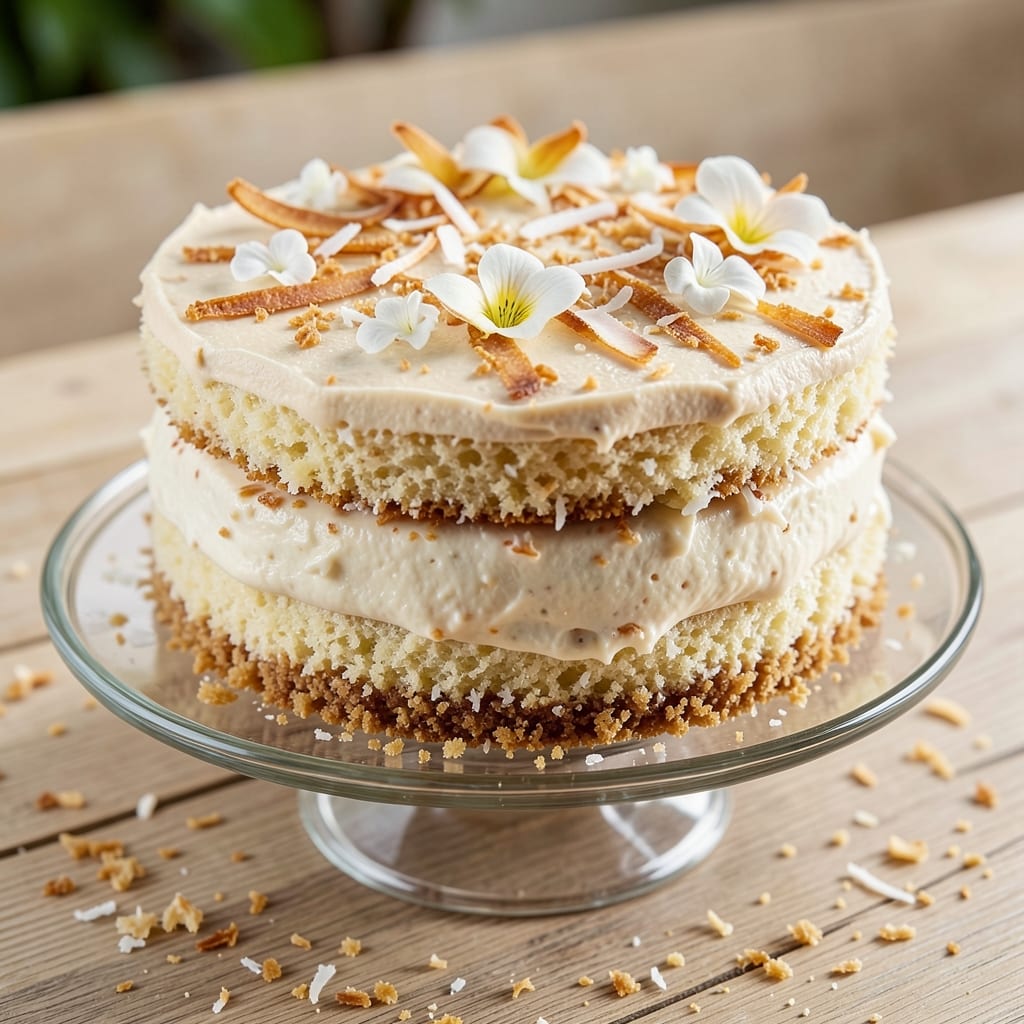
This Bahamian coconut cake delivers the island's signature tropical humidity in every bite—moist, tender layers that dissolve on your tongue with just the right balance of sweetness and coconut flavor. 🌴 The secret lies in the cake's signature texture, achieved through a perfect blend of flour, sugar, and freshly grated coconut, baked just long enough to stay soft while developing a golden crust. I've been perfecting this recipe for years, and it's become a staple at our family gatherings, especially during summer when the scent of coconut fills the kitchen and brings everyone running.
The recipe combines classic Bahamian techniques with simple ingredients you likely already have on hand: all-purpose flour, granulated sugar, eggs, and of course, shredded coconut—both sweetened and unsweetened for depth. The cake bakes in a 350°F oven for about 45 minutes, yielding a tender crumb that's impossible to resist. What makes this version special is the addition of a light coconut glaze drizzled over the top, adding a glossy finish and extra tropical flavor without overwhelming the delicate cake.
What you'll end up with is a cake that's rich yet light, with a subtle vanilla essence and the unmistakable aroma of coconut that transports you to a Bahamian beach. The texture is the star here—moist but not dense, with just enough structure to hold its shape while melting in your mouth. This isn't your typical dry cake; it's a celebration of tropical flavors, perfect for birthdays, holidays, or simply treating yourself to a taste of the Bahamas.
Serve it warm with a scoop of vanilla ice cream or dusted with powdered sugar for a classic touch. The beauty of this recipe is its versatility—it works as a standalone dessert or as part of a larger spread. Once you try it, you'll understand why this cake is a beloved staple in Bahamian cuisine. Let's get baking!
Ingredients for bahamian coconut cake
Simple pantry staples meet tropical flavors for this Bahamian coconut cake.
| Ingredient | Amount | Notes |
|---|---|---|
| All-Purpose Flour 🌾 | 2 ½ cups | Sifted for light texture |
| Granulated Sugar 🍚 | 1 ½ cups | White or light brown |
| Unsweetened Shredded Coconut 🥥 | 1 ½ cups | Freshly grated preferred |
| Sweetened Shredded Coconut 🥥 | 1 cup | For balanced sweetness |
| Large Eggs 🥚 | 4 whole | Room temperature for blending |
| Vanilla Extract 🌿 | 2 tsp | Pure vanilla preferred |
| Unsalted Butter 🧈 | 1 cup | Softened, full-fat |
| Baking Powder 🧂 | 2 tsp | Aluminum-free preferred |
| Salt 🧂 | ½ tsp | Fine sea salt |
| Powdered Sugar 🍚 | 1 cup | For glaze, sifted |
| Heavy Cream 🥛 | ¼ cup | For glaze, cold |
| Lemon Juice 🍋 | 1 tbsp | Freshly squeezed |
The coconut is everything here. Unsweetened gives depth while sweetened adds that signature Bahamian sweetness. Trader Joe's sells pre-shredded bags, but freshly grating coconut from a block makes all the difference—it's worth the extra minute. For the butter, Land O'Lakes or Plugrá work perfectly, but avoid salted. The vanilla extract? Pure, not imitation—you can taste the difference. Eggs should be room temperature when you mix them in, so take them out 15 minutes early.
No unsweetened coconut? Substitute with extra shredded sweetened, but reduce by 1/4 cup to balance sweetness. Short on vanilla? Vanilla bean paste works too, or a pinch of ground cinnamon. The baking powder is non-negotiable—this cake needs that lift. For the glaze, if you don't have heavy cream, coconut milk gives it a tropical twist. The lemon juice brightens the whole thing, so don't skip it—even a splash makes a difference. And if you're feeling fancy, add a pinch of turmeric to the batter for that classic Bahamian golden hue.
This cake keeps beautifully—3-4 days at room temperature, covered loosely. For longer storage, wrap tightly and refrigerate for up to 1 week. The glaze sets as it cools, so it's perfect for gifting. I like to slice it the day after baking—it's even more moist then. Freeze slices between parchment for 3 months if you need to prep ahead. Just thaw at room temperature before serving.
Why You'll Love This Recipe
- No Mixer Needed: I swear by this recipe when I’m in a rush—just whisk eggs, fold in dry ingredients, and pour. The double coconut layers (unsweetened base, sweetened top) create texture without extra steps. Honestly, my stand mixer stays off for this one.
- Tropical Comfort in Bites: That first bite? Warm, buttery layers with a caramelized coconut crust—like a hug from the Bahamas. The unsweetened shreds add a subtle earthiness, while the sweetened top keeps it irresistibly indulgent. (Yes, even on a Tuesday night.)
- Party Worthy, No Stress: Slice it for a potluck, pack it for a picnic, or serve it at a beachside BBQ—this cake travels beautifully. Between us, it’s the one dessert I bring that gets devoured first. Plus, the coconut flavor feels fancy without requiring fancy work.
- Budget-Friendly Luxury: A single box of flour, a bag of coconut, and a few eggs stretch to feed six for under $10. I’ll be real: my grocery budget thanks me every time I make this. And leftovers? They disappear faster than I can reheat them.
Step-by-step instructions for Bahamian coconut cake
Here's how to create a tender, tropical cake with perfect moisture and that signature Bahamian coconut flavor.
👨🍳 Step 1: Prepare the Dry Ingredients
Preheat your oven to 350°F and grease a 9-inch round cake pan or line it with parchment paper for easy removal. In a large mixing bowl, whisk together the 2.5 cups all-purpose flour, 2 tsp baking powder, and 0.5 tsp salt. Sift the mixture lightly to aerate it—this creates a lighter texture in the final cake.
In a separate bowl, combine the 1.5 cups unsweetened shredded coconut and 1 cup sweetened shredded coconut. This blend gives the cake that perfect balance of natural coconut flavor and sweetness. Set both mixtures aside until needed—I like to keep them in separate bowls to prevent the dry ingredients from absorbing moisture too early.
🍳 Step 2: Cream Butter and Sugar
In a stand mixer fitted with the paddle attachment, beat the 1 cup softened unsalted butter and 1.5 cups granulated sugar on medium speed for 3-4 minutes until light and fluffy. You're looking for a texture that nearly doubles in volume and becomes pale in color. This step is crucial—it incorporates air that helps create that tender, moist crumb we want.
I know it seems like a long time, but resist the urge to rush. The butter should be smooth and almost ribbony when you pull the paddle out. If it's still grainy, keep mixing for another 30 seconds. This ensures the cake will rise properly and stay moist after baking.
👨🍳 Step 3: Combine Wet and Dry Ingredients
Add the 4 whole large eggs, one at a time, mixing well after each addition. Then stir in the 2 tsp vanilla extract and the 1 tbsp freshly squeezed lemon juice. The lemon juice might seem odd, but it brightens the coconut flavor and adds a subtle tang that balances the sweetness.
With the mixer on low speed, gradually add the dry ingredients mixture in three parts, alternating with the coconut mixture. Start and end with the dry ingredients. Mix just until combined—you should still see some flour streaks. Overmixing develops gluten, which can make the cake tough. The batter should be thick but pourable.
🔥 Step 4: Bake to Golden Perfection
Pour the batter into your prepared cake pan and smooth the top with a spatula. Bake in the preheated oven for 45-50 minutes, or until a toothpick inserted in the center comes out clean. The cake should be golden brown on top with slightly pulled edges.
Here's the thing about coconut cakes—they can sometimes look underdone before they're fully cooked. If the top browns too quickly, tent the cake with aluminum foil after 30 minutes to prevent overbrowning while the center finishes cooking. The internal temperature should reach 210°F for perfect doneness.
🥘 Step 5: Make the Creamy Glaze
While the cake bakes, make the glaze by whisking together the 1 cup powdered sugar, 0.25 cup heavy cream, and an additional 1 tsp vanilla extract (if you have any left). The glaze should be smooth and pourable but still thick enough to coat the cake.
Once the cake is completely cooled (this is important—warm cake will melt the glaze), poke holes all over the top with a skewer or toothpick. This helps the glaze soak in beautifully. Slowly pour the glaze over the cake, letting it drip down the sides. The cake will absorb the glaze within 10-15 minutes, creating that perfect shiny finish.
Pro Tips For Making Bahamian Coconut Cake
- Toast Your Coconut: I learned this the hard way—skipping this step makes the cake taste flat. Spread the unsweetened shredded coconut on a baking sheet and toast it at 325°F for 8-10 minutes until golden and fragrant. The nutty aroma deepens, and the texture becomes crispier, which balances the sweetness later.
- Mix Eggs Separately: Beat the eggs alone first until frothy, then fold them into the batter last. This keeps the cake light instead of dense. I used to add them straight to the dry ingredients, and the result was always too heavy—like a sad, gummy sponge.
- Don’t Overmix the Batter: Stir just until the flour disappears—overmixing makes gluten toughen up, and your cake will turn out chewy instead of tender. A few lumps are fine; they’ll blend in as you bake. I’ve ruined batches by turning this into a science project.
- Test for Doneness Early: This cake’s edges brown fast but stays undercooked inside. Start checking for doneness at 30 minutes (if baking at 350°F) by inserting a skewer—it should come out with moist crumbs, not wet batter. Oven temps lie, so don’t rely on the recipe’s time alone.
Health benefits of this bahamian coconut cake
Tropical Energy Boost
This cake is packed with natural energy-boosting ingredients that keep you going without the sugar crash. The combination of complex carbohydrates from the flour and coconut provides sustained energy, perfect for a mid-afternoon pick-me-up or post-workout treat. Plus, the healthy fats from coconut support brain function and keep you full longer. 💪
Heart-Healthy Fats
The medium-chain triglycerides (MCTs) in coconut make this cake surprisingly heart-friendly. These fats are metabolized quickly for energy and may help lower bad cholesterol levels. Using unsalted butter and unsweetened coconut keeps the saturated fat content in check while delivering rich flavor. I've found that even those watching their heart health can enjoy this cake in moderation.
Hydration Support
The coconut in this cake isn't just for flavor—it actually helps with hydration! Coconut water contains electrolytes like potassium, and while we're using dried coconut here, it still provides a subtle hydrating benefit. The lemon juice adds vitamin C and enhances moisture retention in the cake, making each bite feel lighter and more refreshing.
Natural Sweetness
Unlike many cakes loaded with refined sugar, this Bahamian version balances sweetness with natural coconut flavor. The sweetened shredded coconut provides that familiar taste without needing excessive added sugar. For a lighter option, you can reduce the granulated sugar by ¼ cup and increase the sweetened coconut by the same amount—your taste buds won't notice the difference! 🌴
Stress-Relief Flavors
Vanilla and coconut contain compounds that naturally elevate mood and reduce stress. The vanilla extract in this recipe contains phenylethylamine, a compound that triggers feel-good neurotransmitters, while coconut's aroma has been shown to have calming effects. Baking this cake becomes a sensory experience that actually helps reduce stress—just smelling the coconut while you work makes me feel like I'm already on vacation.
Digestive Comfort
The combination of coconut and lemon creates a gentle digestive aid. Coconut contains lauric acid, which supports gut health, while lemon's acidity helps stimulate digestion. The baking powder provides gentle lift without the bloating that can come from yeast-based cakes. This makes it a great option for those with sensitive stomachs who still want to enjoy a rich dessert.
Nutrition facts
Frequently asked questions
Can I substitute sweetened coconut for unsweetened in this recipe?
You can, but with adjustments! Replace 1.5 cups unsweetened with 1.25 cups sweetened and add ¼ cup extra granulated sugar to balance flavors. The cake will still be delicious, but the texture might be slightly denser due to the extra moisture in sweetened coconut.
Why does my Bahamian coconut cake turn out dry?
Most likely, it was overbaked or the oven was too hot. Coconut cakes are delicate—remove it when the center reaches 210°F (toothpick test). For extra moisture, try brushing warm cake layers with 2 tbsp coconut milk while cooling. Also, never skip the glaze—it adds hydration and shine!
Can I make this cake gluten-free?
Yes! Swap the 2.5 cups all-purpose flour with a 1:1 gluten-free baking flour blend (like Bob's Red Mill). Add ½ tsp xanthan gum to improve texture. You may need to reduce the baking powder to 1.5 tsp since GF flours often contain their own leavening. Test with a small batch first.
How do I store leftovers to keep them moist?
Wrap the cake tightly in plastic wrap and store at room temperature for 2-3 days. For longer storage (up to 1 week), refrigerate. To revive dry slices, warm in a 300°F oven for 5-10 minutes with a damp paper towel on top. Freeze slices between parchment for 3 months—thaw at room temperature.
What's the secret to making this cake extra tropical?
Toast the coconut first! Spread 1 cup unsweetened coconut on a baking sheet and toast at 300°F for 5-7 minutes until golden. Let cool before adding to the batter. This deepens the coconut flavor dramatically. Also, add ½ tsp ground turmeric to the batter for that classic Bahamian golden hue.