
Desserts
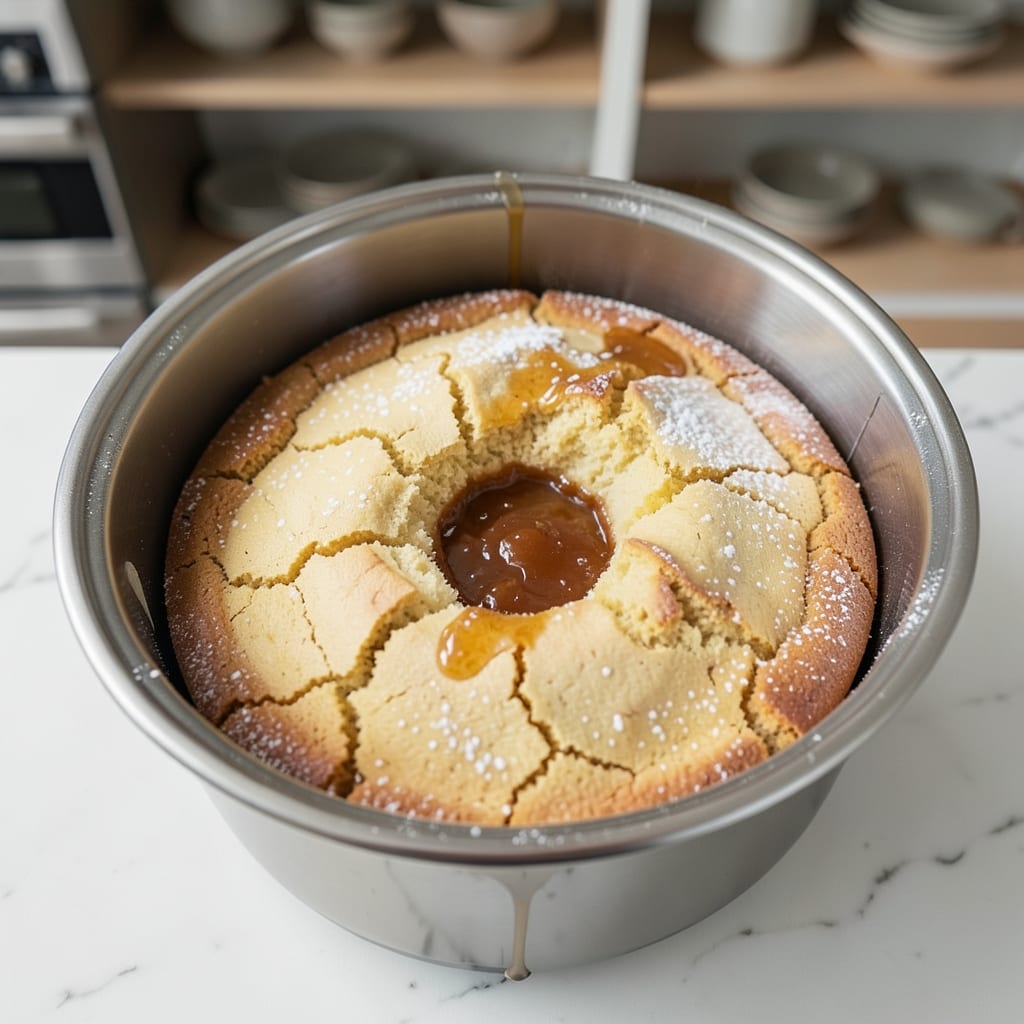
Baking a cake in a rice cooker delivers surprisingly moist, tender results with minimal effort—no mixer, no oven, just clever steam control. This method transforms your everyday appliance into a foolproof baking tool, perfect for small batches or when you need a quick dessert fix. The secret lies in adjusting the cooker's settings to create gentle, even heat that mimics a water bath.
The rice cooker's built-in steam circulation ensures your cake bakes evenly without drying out, while its precise temperature control prevents over-browning. With just a few simple ingredients and 15 minutes of prep, you'll achieve a cake that's lighter and more flavorful than traditional recipes. Let's get started with this game-changing technique.
Ingredients for bake cake in rice cooker
Six simple ingredients plus a rice cooker—your secret to moist, foolproof cake.
| Ingredient | Amount | Notes |
|---|---|---|
| All-Purpose Flour 🌾 | 1 ½ cups | Sifted for even texture |
| Granulated Sugar 🍚 | 1 cup | White or light brown |
| Unsalted Butter 🧈 | ½ cup | Room temperature, cubed |
| Large Eggs 🥚 | 2 whole | Room temperature, beaten |
| Vanilla Extract 🌿 | 1 tbsp | Pure, not imitation |
| Baking Powder 🧂 | 1 ½ tsp | Aluminum-free preferred |
| Salt 🧂 | ½ tsp | Fine sea salt |
| Milk 🥛 | ½ cup | Whole for richness |
| Vegetable Oil 🫒 | ¼ cup | Light, neutral flavor |
| Water 💧 | ½ cup | Room temperature |
| White Chocolate Chips 🍫 | ½ cup | Optional for variation |
The butter and milk are non-negotiable for that signature rice cooker tenderness. European-style butter like Plugrá or Land O’Lakes works best—higher fat content means richer flavor. If you're in a pinch, Trader Joe's carries affordable European-style butter in bulk. For the flour, King Arthur or Gold Medal brands are reliable—sift it first to avoid dense cake. The white chocolate chips? Guittard or Ghirardelli melt beautifully, but any quality brand will do. Pro tip: chop them into uneven pieces for better texture.
No vanilla extract? Vanilla bean paste works great, or scrape seeds from a real bean. Running short on milk? Evaporated milk or coconut milk adds richness, though regular milk keeps it classic. The baking powder is key—double-check the expiration date since old powder loses lift. For a lighter texture, separate the egg whites and whip them separately before folding into the batter. And if you're worried about the rice cooker's heat, line it with parchment paper—just poke holes for steam to escape.
This batter keeps for 2 days in the fridge—perfect for baking when you're ready. For longer storage, freeze the batter in an airtight container for up to 1 month. Once baked, store the cake wrapped in plastic at room temperature for 3 days, or freeze for 2 months. The rice cooker method actually improves overnight—flavors meld beautifully. And if you're making it ahead? The batter can sit at room temp for 1 hour before baking, which helps with even cooking in the rice cooker.
Why You'll Love This Recipe
- No Fuss, Same Magic: I swear, mixing flour, sugar, and melted butter in the rice cooker’s inner pot is that easy—no fancy equipment, no preheating oven. The eggs and vanilla just blend right in while it cooks, and honestly? The texture comes out so tender, you’d never guess it wasn’t from a box.
- Butter-Soft Perfection: That creamy, melt-in-your-mouth crumb? All thanks to the rice cooker’s gentle heat. The butter doesn’t burn, the sugar caramelizes just enough, and the vanilla infuses without overpowering—like a classic vanilla cake, but better because it’s yours.
- Party or Pajamas: Slice it for a last-minute birthday cake or grab a piece straight from the pot for a lazy Sunday. The portions are perfect for one, and the whole thing bakes up fast enough to feed a crowd if you double the batch. (Yes, even on a Tuesday night.)
- Zero Waste, All Gain: Leftover cake? Toss it in the fridge for days—it stays moist longer than oven-baked versions. And since you’re using pantry staples (flour, sugar, butter), this is my go-to when I’m broke or lazy. Same great taste, none of the guilt.
Step-by-step instructions for baking cake in a rice cooker
Here's how to transform your rice cooker into a foolproof cake maker—no mixer, no oven needed.
Prepare the Cake Batter
In a large mixing bowl, combine the 1.5 cups all-purpose flour, 1.5 teaspoons baking powder, and 0.5 teaspoon salt. Sift this dry mixture together to eliminate any lumps, ensuring an even texture throughout your cake. In a separate bowl, whisk together the 1 cup granulated sugar, 0.5 cup unsalted butter, 2 whole large eggs, 1 tablespoon vanilla extract, 0.5 cup milk, and 0.25 cup vegetable oil until smooth and fully incorporated.
Gradually add the dry ingredients to the wet mixture, mixing just until combined. Be careful not to overmix—the batter should be thick but pourable. Fold in the 0.5 cup white chocolate chips (if using) by hand with a spatula, ensuring even distribution. The batter should be smooth and glossy, with no visible streaks of flour. This consistency is key for a tender, moist crumb.
Grease and Prepare the Rice Cooker
Lightly grease the inner pot of your rice cooker with a thin layer of vegetable oil or butter. This prevents the cake from sticking and ensures easy removal. For extra insurance, line the bottom with parchment paper, cutting it to fit snugly against the sides. Pour the batter into the prepared pot, spreading it evenly to create a flat surface. This step is crucial for even baking and a uniform rise.
Place the lid on the rice cooker and set it to the "bake" or "steam" function if available. If your rice cooker lacks a bake setting, use the "white rice" setting—this mimics the gentle, moist heat needed for baking. The rice cooker will automatically regulate the temperature, eliminating the guesswork of traditional oven baking.
Bake with Precision
Allow the cake to bake for 45-50 minutes, or until a toothpick inserted into the center comes out clean. The rice cooker’s gentle heat ensures a slow, even bake, which is perfect for achieving a moist texture without drying out the cake. Avoid opening the lid during this time—disturbing the heat can cause the cake to sink or develop a dense texture.
Real talk: Your rice cooker might not have a built-in timer, so keep an eye on it. The cake is done when the top springs back when gently pressed and the edges pull away slightly from the sides of the pot. If the top browns too quickly, loosely tent the cake with aluminum foil after 30 minutes to prevent over-browning while still allowing steam to escape.
Cool and Serve
Once the cake is fully baked, remove it from the rice cooker and let it cool in the pot for 10 minutes. This brief rest prevents the cake from cracking as it shrinks slightly. Transfer the cake to a wire rack to cool completely before slicing. The cooling process is essential—it allows the moisture to redistribute, ensuring every slice is tender and perfectly moist.
Serve the cake at room temperature for the best texture. The rice cooker method yields a cake with a slightly denser crumb than traditional baking, but the moisture level is unmatched. For extra flair, dust the top with powdered sugar or drizzle with a simple glaze made from 0.5 cup water and 1 cup granulated sugar, simmered until dissolved. Enjoy your no-fuss, moist cake with minimal effort!
Pro Tips For Making Bake Cake In Rice Cooker
- Preheat the Pot: Turn on your rice cooker and let it heat up for 5 minutes before adding the batter—yes, even if it’s not marked as an oven. I learned this the hard way when my first cake came out dense because the pot was cold. The extra heat at the start helps set the edges faster and prevents a gummy center.
- Whisk Eggs Cold: Beat your eggs and sugar at room temperature, but don’t let them warm up while mixing. Cold eggs add air more efficiently, and that extra lift matters in a rice cooker cake where you’re not relying on an oven’s even heat. Skip the microwave shortcut—just let them sit out for 30 minutes first.
- Avoid Overmixing Dry Batter: Once you fold in the flour, stop mixing the second everything is just combined. Overworking the batter develops gluten, and that turns your tender cake into a chewy brick. Two turns with a spatula is all you need—your future self will thank you when the crumb stays soft.
- Check Doneness Early: Rice cookers run hotter than ovens, so start checking for doneness 10 minutes before the recipe’s suggested time. Press the center gently—if it springs back slowly (not fast), it’s done. Overbaking dries out the cake, and nobody wants a cake that’s tougher than your last gym session.
Flavor customization for these flavors
Classic Vanilla Twist
Start with the base recipe but swap the vanilla extract for ½ teaspoon vanilla bean paste—this adds subtle flecks of vanilla bean that elevate the flavor without overpowering. For an extra boost, scrape seeds from 1 vanilla bean into the batter after whisking the wet ingredients. Trust me, the depth of flavor is worth the tiny extra effort. 🌿
Chocolate Lover’s Upgrade
Replace the white chocolate chips with ½ cup dark chocolate chunks (60-70% cacao) for a richer, more complex flavor. For a decadent twist, fold in ¼ cup cocoa powder with the dry ingredients. If you're feeling ambitious, add 2 ounces chopped bittersweet chocolate to the batter—it melts beautifully in the rice cooker’s gentle heat. Pair with a dusting of cocoa powder for presentation.
Citrus Zing
Brighten the cake with 1 tablespoon lemon or orange zest (finely grated) and 1 tablespoon juice from the same citrus. The acidity cuts through the richness, balancing the sweetness perfectly. For a tropical vibe, add ½ cup diced pineapple or mango to the batter—just be sure to pat them dry first to avoid excess moisture. The rice cooker’s steam will infuse the fruit with warm, aromatic notes.
Spiced Chai Version
Transform this into a cozy chai cake by adding 1 teaspoon ground cinnamon, ½ teaspoon ground cardamom, and ¼ teaspoon ground cloves to the dry ingredients. Warm the milk with a cinnamon stick before mixing it in for an extra aromatic kick. Top with a sprinkle of powdered sugar and a pinch of cayenne for a subtle heat that pairs beautifully with the spices. This version feels like a hug in cake form. 🌶️
Nutty Crunch Addition
Fold in ½ cup chopped pecans or walnuts for texture and richness. Toast the nuts in a dry pan over medium heat for 3-4 minutes until fragrant, then cool before adding to the batter. For a more intense flavor, use toasted hazelnuts or almonds. The nuts add a satisfying crunch that contrasts beautifully with the tender crumb. Store-bought nut butters like Almond Breeze can also replace some of the milk for extra creaminess.
Fruity Layered Delight
Divide the batter in half, then fold ½ cup blueberries or strawberries into one portion. Spread half the plain batter in the rice cooker, top with the berry-infused batter, and finish with the remaining plain batter. Bake as usual, then slice into thick layers. The berries release juices during baking, creating pockets of fruity surprise in every bite. For a summer twist, use peaches or raspberries instead.
Nutrition facts
Frequently asked questions
Can I use a rice cooker without a "bake" setting?
Use the "white rice" setting—it provides gentle, moist heat perfect for baking. The rice cooker's automatic temperature control mimics a water bath, preventing dryness. Just monitor closely after 30 minutes to avoid over-browning. Most models handle this well as long as you don't open the lid during baking.
Why does my rice cooker cake turn out denser than oven-baked?
The rice cooker's steam-based heat creates a slower, more even bake that preserves moisture better than dry oven heat. The result is a tender, slightly denser crumb that stays moist for days. For a lighter texture, try adding 1 extra egg white to the batter or folding in whipped egg whites at the end. This mimics traditional cake structure while keeping the rice cooker's signature moisture.
How do I adjust the recipe for a smaller rice cooker?
Reduce all ingredients by 25-30% to fit a 3-cup pot. For example, use 1 cup flour, 0.75 cup sugar, and 1 egg instead. The batter should still be thick but pourable. Bake time remains similar (40-45 minutes), but check for doneness 5 minutes early. The smaller surface area means faster cooking. For even cooking, spread the batter slightly thicker than usual.
Can I bake cupcakes in a rice cooker?
Yes! Use silicone cupcake liners or greased paper liners in the rice cooker pot. Fill each liner with 2 tablespoons batter (about 1/6 of the total recipe). Bake for 25-30 minutes, checking at 20 minutes—they cook faster than a whole cake. The steam creates a tender crumb, but cupcakes may be slightly taller than oven-baked ones. For stability, let them cool completely before removing.
What if my rice cooker cake sticks to the pot?
Grease the pot thoroughly with butter or oil, then line with parchment paper cut to fit snugly. If it still sticks, try this trick: After baking, let the cake cool in the pot for 15 minutes before running warm water into the pot for 2 minutes. The heat difference helps release the cake. For next time, use a non-stick spray or a dedicated cake liner designed for rice cookers. Patience is key—don't force it!