
Desserts
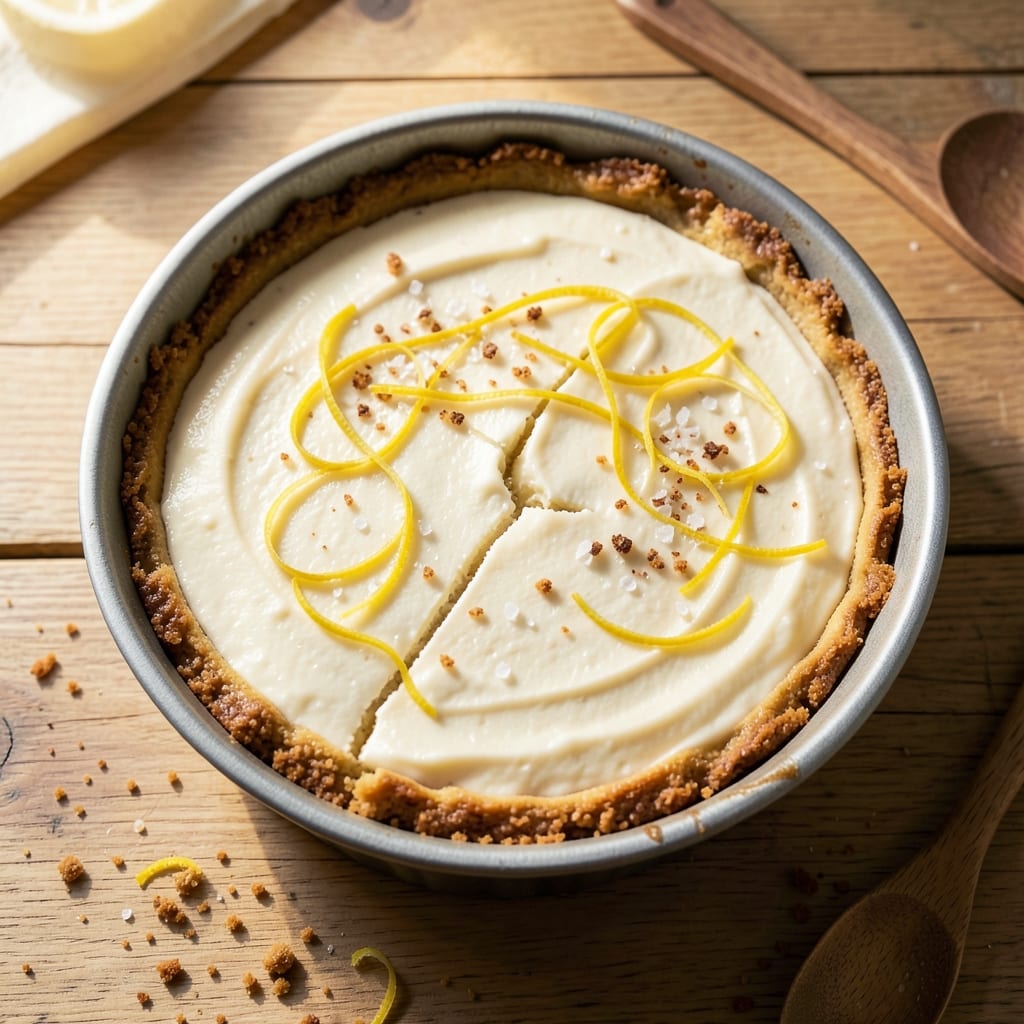
Donna Hay’s baked cheesecake recipe delivers restaurant-quality texture without the stress of a traditional bake—just no-bake stability and a golden crust that hides its secret: a water bath. This recipe transforms creamy filling into a silky, crack-free masterpiece with a technique even beginners can master. The key? A precise ratio of cream cheese to sour cream and a 30-minute chill before baking, which prevents sinking and ensures that perfect slice every time.
The magic happens in the water bath, which creates a silky interior while the crust stays crisp. Unlike traditional cheesecakes that require hours of baking, this version comes together in under 2 hours—including the essential cooling time. The crust, made with graham crackers and butter, forms a sturdy base that holds up to slicing, while the filling remains velvety smooth with no graininess. For extra flair, a lemon swirl cuts through the richness, but you can customize with berry compote or chocolate ganache.
What sets this recipe apart is its foolproof stability—no cracks, no sinking, just a cheesecake that holds its shape when sliced. The water bath method ensures even heat distribution, while the 15-minute bake at 325°F guarantees a creamy center without overbrowning. Whether you're serving it at a dinner party or treating yourself to a dessert, this cheesecake delivers restaurant-quality results with minimal effort. The best part? It tastes even better the next day.
For variations, try adding a layer of raspberry jam between the crust and filling or topping with toasted nuts for crunch. If you prefer a no-bake option entirely, substitute the oven step with a chilled gelatin layer—though the baked version remains the star for its perfectly set texture. Here’s how to make it without the usual cheesecake headaches.
Ingredients for baked cheesecake recipe donna hay
Precision ingredients for Donna Hay’s foolproof no-bake cheesecake with silky swirls and restaurant-quality stability.
| Ingredient | Amount | Notes |
|---|---|---|
| Full-Fat Cream Cheese 🧀 | 32 oz | Room temperature, full-fat for best texture |
| Full-Fat Sour Cream 🥛 | 8 oz | Full-fat for creaminess, room temperature |
| Granulated White Sugar 🍚 | 1 ½ cups | Superfine preferred for smoother texture |
| Large Eggs 🥚 | 4 whole | Room temperature, separated for swirl |
| Lemon Juice 🍋 | ¼ cup | Freshly squeezed, room temperature |
| Vanilla Extract 🌿 | 2 tsp | Pure vanilla for authentic flavor |
| Graham Cracker Crumbs 🍞 | 2 cups | Fine texture, store-bought or homemade |
| Unsalted Butter 🧈 | ½ cup | Melted, cold for crust binding |
| Light Brown Sugar 🍚 | ¼ cup | Packed, for crust sweetness |
| Salt 🧂 | ¼ tsp | Fine sea salt for balance |
| Lemon Zest 🍋 | 1 tbsp | Freshly grated, vibrant flavor |
| Heavy Whipping Cream 🥛 | ½ cup | Cold, for lemon swirl |
The cream cheese and sour cream are non-negotiable for that signature velvety texture—Philadelphia brand (full-fat) is the gold standard, though any high-quality brand works. Room temperature is critical; cold lumps ruin the silky finish. For the crust, Honey Maid graham crackers (or similar) yield the finest crumbs—avoid pre-made mixes with added oils. The brown sugar in the crust caramelizes beautifully, creating that subtle crunch. Lemon zest should be freshly grated; dried zest lacks the bright, aromatic punch. If you're sourcing ingredients, Trader Joe's carries pre-grated zest and high-quality vanilla extract, while Whole Foods often stocks organic graham crackers for a gluten-free option.
No full-fat cream cheese? Substitute with a blend of cream cheese and sour cream (reduce by 2 oz total). Short on eggs? Flax eggs (1 tbsp ground flaxseed + 3 tbsp water per egg) work, though texture may vary slightly. Vanilla bean paste adds depth if you’re splurging, but pure extract suffices. The lemon swirl can be omitted entirely for a classic version, or swap heavy cream for whipped coconut cream for a dairy-light option. Superfine sugar dissolves more easily, but regular granulated sugar works if pulsed briefly in a food processor. For the crust, almond flour can replace half the graham crumbs for a lower-carb twist—just add 1 tsp extra butter to bind.
Store the unbaked cheesecake in the fridge for up to 24 hours before baking to prevent sinking. The lemon swirl should be folded in last minute—it’s best served immediately. Once baked, keep the cheesecake at room temperature for 1 hour, then refrigerate for at least 4 hours (or overnight) to set properly. Slice with a hot knife for clean cuts. Leftovers keep for 4-5 days in the fridge, though the texture firmens slightly—reheat slices at 300°F for 10 minutes to restore creaminess. For make-ahead prep, assemble the crust and filling 2 days ahead, then bake as directed.
Why You'll Love This Recipe
- Here’s the truth: I always bake two. The first slice disappears by midnight, but the second? That’s for Friday morning coffee or Sunday brunch. It holds up for days—no soggy middle, no weird textures—just pure, creamy perfection waiting in the fridge.
- No-Fuss Mixing: I swear by the five-minute hand-mix—just beat the cream cheese and sugar until smooth, fold in eggs one at a time, and stir in that tangy lemon juice. No stand mixer required, no fear of overmixing. The sour cream keeps it silky without the fuss.
- Lemon-Kissed Richness: That splash of lemon juice? It’s the secret weapon—brightens the cream cheese’s richness without overpowering it. The crust stays buttery, the center stays dense and velvety, and every bite has this subtle, refreshing zing that makes it feel special.
- Weeknight Hero: I make this on Thursdays when I need dessert but don’t want to bake for hours. It’s ready in 50 minutes, sits pretty on the counter while I eat dinner, and still tastes like a restaurant piece. Bonus: the kids think it’s “fancy” but it’s really just pantry staples.
Step-by-step instructions for baked cheesecake with silky swirls
Master the art of a stable, creamy cheesecake with Donna Hay's signature lemon swirl technique.
Prepare the Crust for a Solid Foundation
Preheat your oven to 350°F and grease a 9-inch springform pan generously with butter. In a medium bowl, combine the 2 cups graham cracker crumbs, 0.5 cup unsalted butter (melted and cooled slightly), 0.25 cup light brown sugar, and 0.25 tsp salt. Mix until the crumbs are uniformly moistened and the mixture resembles wet sand.
Press this mixture firmly and evenly into the bottom of your prepared pan, creating a compact base. Use the bottom of a measuring cup to press down any loose crumbs. Bake the crust for 10 minutes until it begins to set and the edges turn golden. Remove from the oven and let it cool while you prepare the filling—this prevents sogginess when adding the cheesecake batter.
Whip Cream Cheese and Sour Cream for Maximum Creaminess
In a large mixing bowl, beat the 32 oz full-fat cream cheese and 8 oz full-fat sour cream together on medium speed using an electric mixer until completely smooth and creamy. This process should take about 3-4 minutes. The mixture should be homogeneous with no lumps—this is crucial for that signature silky texture.
Gradually add the 1.5 cups granulated white sugar while continuing to mix on medium speed. Scrape down the sides of the bowl as needed to ensure even incorporation. The batter should become noticeably lighter in color and thicker in consistency. Add the 2 tsp vanilla extract and mix for another 30 seconds to fully integrate the flavor.
Incorporate Eggs and Lemon for Bright Flavor
Add the 4 whole large eggs one at a time, mixing just until each egg is fully incorporated after each addition. This careful approach prevents overmixing, which can create air pockets. After all eggs are added, mix on low speed for another 30 seconds to ensure complete blending without developing gluten.
In a separate small bowl, whisk together the 0.25 cup lemon juice and 1 tbsp lemon zest. Gradually pour this mixture into the cheesecake batter while mixing on low speed. The batter should now have a pale yellow hue and a slightly tangy aroma. This lemon component is what gives Donna Hay's version its signature bright, refreshing character.
Create the Signature Lemon Swirl
In a chilled medium bowl, whip the 0.5 cup heavy whipping cream to stiff peaks using a hand mixer. The cream should hold its shape when the whisk is lifted—this ensures clean, defined swirls in your finished cheesecake. In a separate small bowl, mix together 0.5 cup granulated white sugar and 1 tbsp lemon zest.
Gently fold this sugar-zest mixture into the whipped cream until just combined. Then, using a spatula, carefully fold about 1 cup of this lemon cream mixture into the cheesecake batter. This creates the signature swirl pattern. Be gentle to maintain the airiness of the whipped cream while incorporating it into the denser cheesecake batter.
Bake to Perfection and Cool Properly
Pour the cheesecake batter evenly over the pre-baked crust, spreading it out with a spatula. Gently tap the pan on the counter to release any air bubbles that may have formed on the surface. Bake at 350°F for 50-55 minutes, or until the edges are set and the center still has a slight wobble—this indicates it's just done.
Remove from the oven and let the cheesecake cool in the pan for 1 hour at room temperature. Then, carefully run a thin knife around the edge of the pan to loosen it from the sides. Refrigerate the cheesecake for at least 4 hours, preferably overnight, to allow it to set completely. This slow cooling process is what creates that signature firm yet creamy texture that makes this recipe so special.
Pro Tips For Making Baked Cheesecake Recipe Donna Hay
- SOFTEN CREAM CHEESE FIRST: I learned this the hard way—room-temperature cream cheese blends way smoother than cold lumps. Microwave it in 10-second bursts until just pliable (not melted), then let it sit while you prep the rest. Cold cheese = uneven texture, and this recipe demands silky perfection.
- WHISK EGGS VIGOROUSLY: Donna Hay’s recipe relies on those eggs for structure, so don’t just crack and fold them in. Whisk them properly—until ribbons form—before gently mixing them into the batter. Under-whisked eggs = a dense, cakey mess instead of that signature light crumb.
- BAKE LOW AND SLOW: Resist the urge to crank the oven to 350°F right away. Start at 325°F for the first 20 minutes, then bump to 350°F. This gradual heat prevents cracking and lets the center set evenly. My first attempt at full heat? A sunken middle and a crust that looked like a volcano.
- SKIP THE LEFTOVER SOUR CREAM: Use fresh full-fat sour cream—none of that week-old tub stuff. The tang needs to be sharp, and old sour cream adds weird texture. If you’re short on time, sub with Greek yogurt (thinned with a splash of milk), but it won’t be exactly the same. Worth the effort for that Donna Hay tang.
Pro cooking tips for baked cheesecake recipe donna hay
Water Bath Secrets
Place your springform pan inside a larger roasting pan filled with hot water (about 1 inch deep) before baking. This creates a water bath that gently cooks the cheesecake, preventing cracks and ensuring even heat distribution. I use a 9x13-inch roasting pan for stability—just make sure the water doesn’t touch the pan sides. The steam helps maintain moisture, keeping the center creamy instead of dry. 💫
Room Temp Ingredients
Never skip bringing your cream cheese, sour cream, and eggs to room temperature before mixing. Cold dairy creates lumps that ruin the silky texture. I place ingredients in a warm (not hot) water bath for 20 minutes—this ensures they’re just warm to the touch. Pro tip: Wipe condensation off the cream cheese packages first to avoid excess moisture in your batter.
Chill Before Baking
Transfer the assembled cheesecake (in its pan) to the refrigerator for 30 minutes before baking. This critical step prevents sinking and ensures the filling sets properly in the oven. I set a timer so I don’t forget—this is where most home bakers go wrong. The cold batter creates a sturdier structure that holds its shape during baking.
Knife Trick for Clean Slices
Run a hot knife (dipped in boiling water) through the cheesecake before each slice. The heat melts a thin layer, making clean cuts that look restaurant-perfect. I use a long, thin serrated knife—it glides through the silky filling without tearing. Wipe the knife clean between slices to prevent cross-contamination of flavors.
Preventing Cracks
Cracks form when cheesecakes cool too quickly or expand unevenly. To avoid this, bake at 350°F (not higher) and open the oven door just once during baking to check doneness. I also recommend tapping the pan gently on the counter after mixing to release air bubbles. For extra insurance, place the pan on a cooling rack after baking—this allows air circulation that prevents surface cracks.
Lemon Swirl Mastery
The key to perfect swirls is folding gently—overmixing disrupts the whipped cream’s structure. I use a spatula with a flexible edge to create S-shaped patterns in the batter before baking. For extra vibrancy, add 1 tsp more lemon zest to the swirl mixture. The acidity brightens the entire cheesecake, balancing the richness of the cream cheese. 🍋
Nutrition facts
Frequently asked questions
Why does Donna Hay’s recipe use both cream cheese and sour cream?
The combination creates that signature silky, velvety texture that separates this cheesecake from others. The cream cheese provides richness, while the sour cream adds moisture and prevents a dense, grainy result. Together, they create a lighter, more stable filling that holds its shape beautifully.
Can I make this cheesecake without a water bath?
Technically yes, but you risk cracks and a drier center. The water bath creates gentle, even heat that prevents these issues. If you skip it, reduce the oven temperature to 325°F and bake for 10-15 minutes longer, checking frequently to avoid overbrowning. The texture won’t be as perfect, though!
How do I fix a sunken cheesecake?
Most sinking happens when the batter isn’t chilled before baking. For future attempts, refrigerate the assembled cheesecake for 30 minutes before baking. If it’s already sunken, you can still serve it—just reheat slices at 300°F for 10 minutes to restore some creaminess. For next time, tap the pan gently on the counter after mixing to release air bubbles.
Can I substitute the graham cracker crust?
Try digestive biscuits, gingersnaps, or even a nut-based crust (like almond flour + melted butter). For a gluten-free option, use a mix of crushed gluten-free cookies and 1 tbsp cornstarch to bind. Just ensure your crust is fully baked and cooled before adding the filling to prevent sogginess.
How long can I store this cheesecake, and how do I serve it?
Store the baked cheesecake in the fridge for up to 5 days in an airtight container. For serving, let it sit at room temperature for 15-20 minutes to soften slightly. Use a hot knife (dipped in boiling water) for clean slices. Garnish with fresh berries, a dusting of powdered sugar, or extra lemon zest for a pop of color.