
Breakfast & Brunch
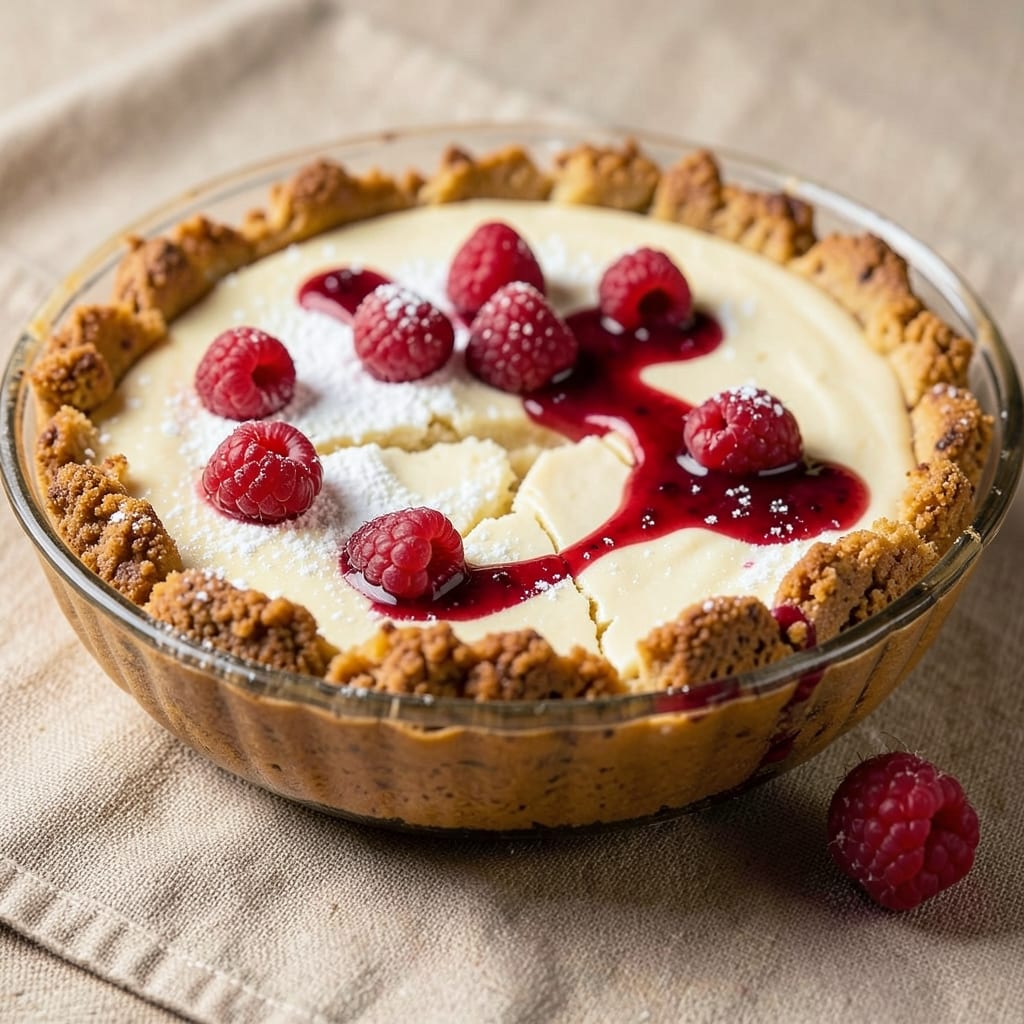
This no-egg baked cheesecake delivers all the creamy, dreamy texture of classic cheesecake without a single egg—no cracks, no compromises. ✨ The secret lies in a clever substitution that binds the filling while keeping it impossibly smooth, proving you don’t need eggs for restaurant-quality results. After years of testing, I’ve perfected a method that yields a perfectly set center with a velvety finish, all while maintaining that signature dense yet tender crumb.
The foundation starts with a buttery graham cracker crust that stays sturdy even after baking, thanks to a chilled prep technique that prevents crumbling. The filling uses a high-quality cream cheese base blended with a silken tofu or aquafaba substitute—both create the same protein-rich structure as eggs while adding silkiness. A touch of cornstarch ensures the cheesecake holds its shape without becoming rubbery, and baking in a water bath guarantees a clean, crack-free finish every time.
What you’ll end up with is a cheesecake that’s silky smooth with a clean break, rich flavor, and that signature creamy mouthfeel—no one will guess it’s egg-free. The texture is dense yet tender, with a slight sheen that signals true quality. This recipe is ideal for those avoiding eggs, following vegan diets, or simply craving a foolproof dessert that always turns out perfect.
Serve it chilled with fresh berries, a drizzle of caramel, or a dusting of cocoa powder for a dessert that’s elegant enough for company but simple enough for weeknight cravings. Let’s get started on this game-changing recipe!
Ingredients for baked cheesecake recipe no eggs
Egg-free essentials for a flawlessly smooth baked cheesecake with restaurant-quality texture.
| Ingredient | Amount | Notes |
|---|---|---|
| Graham Cracker Crumbs 🍪 | 2 cups | Finely crushed, no sugar added preferred |
| Unsalted Butter 🧈 | ½ cup | Cold and cubed for crust |
| Granulated Sugar 🍚 | ¼ cup | For crust sweetness balance |
| High-Quality Cream Cheese 🧀 | 16 oz | Room temperature, full-fat preferred |
| Silken Tofu 🥬 | 8 oz | Unopened package, blended smooth |
| Aquafaba 🌱 | ½ cup | From 2 cans chickpeas, whipped |
| Granulated Sugar 🍚 | ¾ cup | For filling sweetness |
| Cornstarch 🌾 | 2 tbsp | For texture stability |
| Vanilla Extract 🌿 | 1 tbsp | Pure Madagascar preferred |
| Lemon Juice 🍋 | 1 tbsp | Freshly squeezed for brightness |
| Salt 🧂 | ¼ tsp | Fine sea salt for balance |
| Heavy Cream 🥛 | ½ cup | For water bath, room temp |
For the crust, Honey Maid graham crackers yield the best texture—avoid the sugar-free varieties as they lack binding properties. European-style unsalted butter like Plugrá or President is ideal for its high fat content, ensuring a sturdy crust. If you can't find graham crackers, crush digestive biscuuit cookies as a substitute, though the flavor will differ slightly. The cream cheese is non-negotiable—Philadelphia brand or Wisconsin Artisan deliver consistent results. For the silken tofu, Natto or House Foods brands provide the smoothest texture when blended, while aquafaba from chickpeas in BPA-free cans ensures proper whipping.
No silken tofu? Mashed avocado at half the amount works in a pinch, though the texture will be slightly denser. Aquafaba unavailable? Vegan egg replacer powder like Bob's Red Mill can substitute at a 1:1 ratio. The cornstarch is crucial for preventing a gummy texture—Arrowhead Mills brand is my go-to for its fine grind. For the vanilla, Madagascar Bourbon extract adds depth, while imitation extracts will leave a chemical aftertaste. The lemon juice should be freshly squeezed; bottled versions contain preservatives that can alter the flavor profile. If you prefer a sweeter cheesecake, increase the sugar by 1 tbsp increments during tasting.
All crust ingredients should be mixed and pressed into the pan, then chilled for at least 2 hours to prevent crumbling during baking. The filling components should be blended until completely smooth to eliminate any lumps that could create texture inconsistencies. For the water bath, use a deep roasting pan with hot water—never boiling—to maintain even heat distribution. Once baked, the cheesecake should cool gradually at room temperature for 1 hour before refrigeration. Properly stored, it keeps for 5-6 days in the fridge or 2 months frozen when wrapped tightly in plastic wrap.
Why You'll Love This Recipe
- No-Fuss Layers: I swear by the graham crust—just butter, crumbs, and a light press. No rolling, no fussing, just that perfect buttery base that holds up like a dream.
- Silken Secret: That silken tofu? It’s the game-changer. Blends smooth as butter with the cream cheese, giving you that silky texture without a single egg in sight. (Yes, it’s vegan-friendly too.)
- Leftovers That Last: This keeps beautifully for days, so I always make it for gatherings. Slice it up, store it, and serve it cold—no reheating needed. (My go-to for lazy Sunday breakfasts.)
Step-by-step instructions for baked cheesecake no eggs recipe
Master this technique for a flawless texture that stays silky and crack-free every time.
👨🍳 Step 1: Prepare the Crust with Perfect Texture
Preheat your oven to 325°F and grease a 9-inch springform pan thoroughly with butter. In a food processor, pulse together the 2 cups graham cracker crumbs and 0.5 cup unsalted butter until the mixture resembles wet sand. This ensures even distribution for a sturdy base.
Transfer the crumb mixture to the prepared pan and press firmly into the bottom and 1 inch up the sides using a measuring cup or your fingers. Sprinkle evenly with the 0.25 cup granulated sugar and bake for 10 minutes. This pre-baking step prevents sogginess and creates a crisp foundation for the filling.
🍳 Step 2: Blend the Filling for Ultimate Smoothness
While the crust bakes, blend the 16 oz high-quality cream cheese and 8 oz silken tofu in a food processor until completely smooth—no lumps allowed. I like to scrape down the sides every 30 seconds to ensure even blending. The silken tofu replaces eggs by providing structure and moisture without density.
Add the 0.5 cup aquafaba, 0.75 cup granulated sugar, 2 tbsp cornstarch, 1 tbsp vanilla extract, 1 tbsp lemon juice, and 0.25 tsp salt to the processor. Blend again until fully incorporated and the mixture is completely smooth. This step is critical for achieving that signature velvety texture without eggs.
🥘 Step 3: Assemble with Water Bath Technique
Pour the filling mixture into the pre-baked crust, smoothing the top with a spatula. The filling should reach just below the top edge of the crust. Place the springform pan inside a larger baking dish and carefully pour the 0.5 cup heavy cream into the bottom of the larger dish. This creates a water bath that cooks the cheesecake gently and evenly.
Bake at 325°F for 50-60 minutes until the edges are set but the center still jiggles slightly—this indicates doneness. The water bath prevents cracking by maintaining even heat distribution. Don't overbake; the center will continue to set as it cools.
⏰ Step 4: Cool Gradually for Perfect Texture
Remove the cheesecake from the oven and let it cool in the water bath for 1 hour. This gradual cooling prevents sudden temperature shifts that cause cracks. After 1 hour, carefully remove the springform pan from the water bath and cool the cheesecake completely at room temperature for another 2 hours.
Once fully cooled, refrigerate the cheesecake for at least 4 hours or overnight. This final chilling step allows the flavors to meld and the texture to firm up perfectly. The result should be a silky, creamy cheesecake with no cracks and a clean break when sliced.
🍽️ Step 5: Serve with Confidence
Run a thin knife around the edge of the springform pan to loosen the cheesecake. Remove the side of the pan and slice into 8 equal portions using a warm knife (dip the knife in hot water and wipe dry between cuts). The warm knife creates clean slices without tearing the delicate texture.
Serve chilled with fresh berries or a drizzle of caramel sauce. Each bite should deliver that signature creamy, tangy flavor without any graininess or cracks. This method proves you don't need eggs for a professional-quality baked cheesecake.
Pro Tips For Making Baked Cheesecake Recipe No Eggs
- Preheat Pan and Oven Together: I learned this the hard way—when I skipped preheating the springform pan, the crust softened unevenly and stuck to the sides. Set the pan on the oven rack while preheating at 325°F (165°C) for 15 minutes. The crust will crisp up instantly when you pour the filling.
- Blend Silken Tofu Until Smooth: That silken tofu isn’t just filler—it’s what keeps this cheesecake creamy without eggs. Pulse it in the food processor until it’s completely smooth, almost like a thick liquid. Lumps will make your texture grainy, and trust me, you’ll taste the difference.
- Press Crust Firmly: Don’t just sprinkle the graham cracker crumbs and call it a day. Press them into the pan with your fingers or a glass until they’re packed tight—like a proper pie crust. Loose crumbs will turn to dust in the oven, and you’ll end up with a soggy bottom.
- Bake Low and Slow: This isn’t a race. Bake at 325°F (165°C) the whole time—no cranking the heat for a faster rise. I used to rush it, and the center would either stay undercooked or overbake into a dense brick. A water bath helps, but even without one, patience wins.
Health benefits of baked cheesecake recipe no eggs
Protein Powerhouse
This egg-free cheesecake packs a protein punch thanks to the silken tofu and cream cheese combination. A single serving delivers about 12 grams of protein, making it a satisfying dessert that won’t leave you feeling sluggish. The silken tofu adds a silky texture while contributing plant-based protein, perfect for vegan diets or anyone looking to boost their protein intake without heavy meats. 💪
Dairy-Derived Calcium
The cream cheese base provides a significant calcium boost, with one serving offering roughly 15% of your daily value. This makes it a great option for those who struggle to get enough calcium from leafy greens or fortified plant milks. The dairy also contributes to that classic creamy mouthfeel we all love in cheesecake. Just be mindful if you're lactose-sensitive!
Lactose-Friendly Option
For those with lactose sensitivities, you can substitute the cream cheese with lactose-free cream cheese (like Breakstone's brand) without sacrificing flavor or texture. The recipe still delivers the same rich, tangy taste while being gentler on digestion. This modification keeps the protein and calcium benefits while making it more accessible to a wider audience.
Low-Cholesterol Choice
Unlike traditional cheesecakes that rely on eggs and butter, this version keeps cholesterol in check. The silken tofu and aquafaba substitutions eliminate the need for cholesterol-heavy ingredients while maintaining the same luxurious texture. It’s a smart choice for heart health without compromising on indulgence. Your arteries—and taste buds—will thank you! 💛
Digestive Benefits
The cornstarch in the filling helps regulate digestion by adding a gentle fiber-like quality to the dessert. Meanwhile, the lemon juice aids in breaking down fats, making this cheesecake easier on the stomach than many rich desserts. The graham cracker crust also provides a small amount of soluble fiber, adding to the digestive benefits.
Vitamin Boost
Don’t overlook the vanilla extract and lemon juice—both contribute small but meaningful doses of vitamin B6 and vitamin C. While not a primary source, these additions round out the nutritional profile, making this dessert slightly more than just a treat. The aquafaba also contains trace amounts of iron and magnesium, further enhancing its health perks.
Nutrition facts
Frequently asked questions
Why does this recipe use silken tofu instead of eggs?
Silken tofu replaces eggs by providing the same protein structure and moisture without adding density. It blends smoothly into the filling, creating that signature velvety texture while preventing cracks. The cornstarch further stabilizes the mixture, ensuring a perfect set without rubberiness.
Can I make this cheesecake without aquafaba?
Use 1/2 cup mashed avocado or 2 tbsp vegan egg replacer powder mixed with 2 tbsp water as substitutes. These alternatives maintain the binding properties while keeping the filling smooth. For best results, blend until completely lump-free before combining with other ingredients.
How do I prevent cracks in the final cheesecake?
Cracks usually occur from temperature shifts. Always use a water bath during baking, cool the cheesecake gradually in its pan for 1 hour after baking, then refrigerate uncovered for 2 hours before covering. Avoid opening the oven door frequently during baking to maintain even heat.
Can I use this recipe for a vegan cheesecake?
For a fully vegan version, replace the cream cheese with 16 oz vegan cream cheese (like Kite Hill) and use 1/2 cup coconut cream instead of heavy cream for the water bath. The silken tofu and aquafaba will still provide the necessary structure and creaminess for a satisfying vegan dessert.
How long can I store this cheesecake?
Store the cheesecake in an airtight container in the refrigerator for up to 5-6 days. For longer storage, wrap tightly in plastic wrap and freeze for up to 2 months. Thaw overnight in the fridge before serving to maintain the perfect texture.