
Desserts
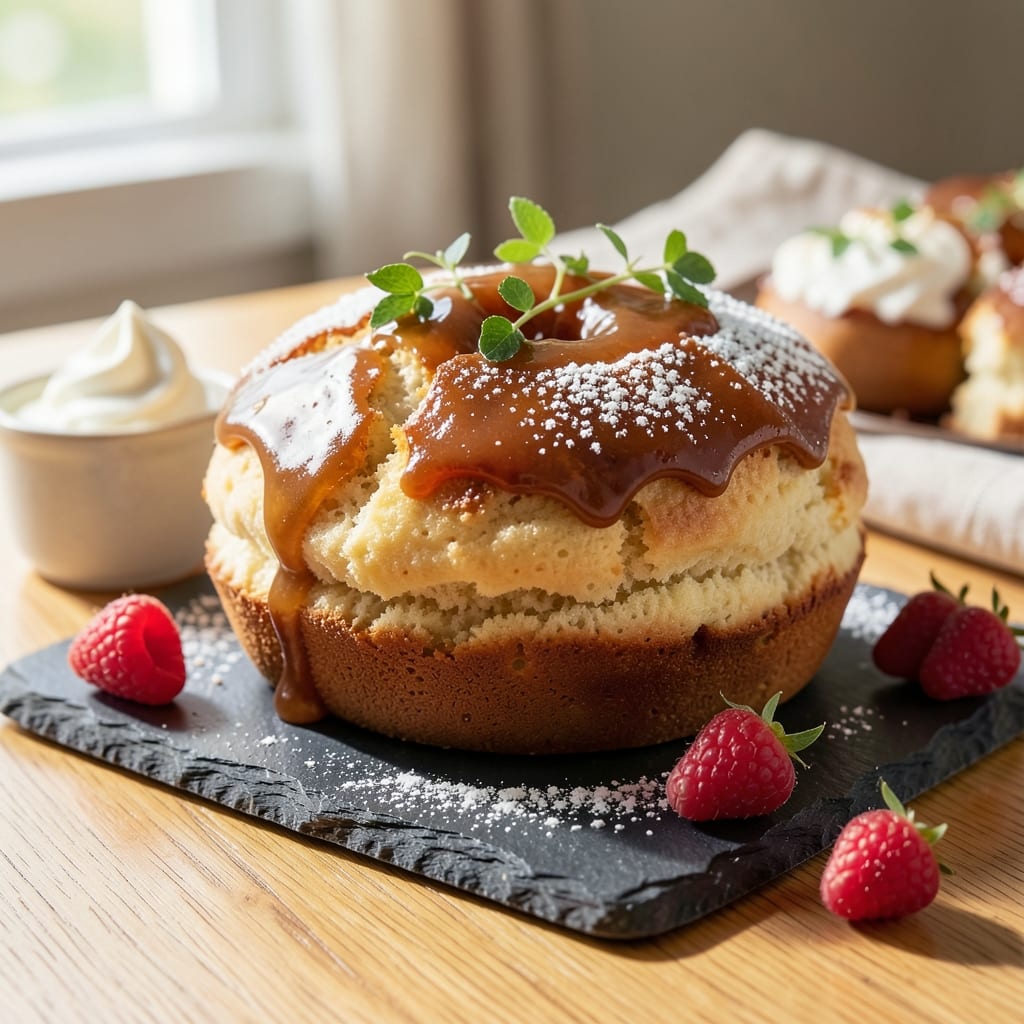
This baked sour cream cake donut recipe delivers fluffy, light bites with a perfect tangy kick that makes every batch irresistible. The secret lies in the sour cream—it creates that signature tender crumb and subtle tang that sets these apart from ordinary cake donuts. I've perfected this recipe through years of testing, ensuring the right balance of moisture and structure for donuts that hold their shape even after baking.
The process starts with a simple yet precise dough that requires just 15 minutes of active prep time, followed by proofing and baking. Sour cream isn't just an ingredient here—it's the foundation that transforms ordinary cake donuts into something extraordinary. The dough is rolled, cut, and baked to golden perfection, then finished with your choice of glaze or powdered sugar for that classic donut look.
What you'll end up with are light-as-air donuts with a delicate crumb and just the right amount of tangy sweetness. The texture is what makes these special—neither too dense nor too cakey, but perfectly balanced. Each bite delivers that familiar comfort of cake donuts with a refined twist that feels like a bakery secret.
These donuts are perfect for breakfast, brunch, or dessert—especially when topped with a simple powdered sugar dusting or a drizzle of cream cheese glaze. The recipe scales easily, so you can make a batch for a crowd or just a few for a special treat. Let's get started on creating these crowd-pleasing donuts!
Ingredients for baked sour cream cake donut
Sour cream, butter, and yeast—these three ingredients create the signature fluffy texture.
| Ingredient | Amount | Notes |
|---|---|---|
| All-Purpose Flour 🌾 | 3 cups | Sifted for light texture |
| Granulated Sugar 🍚 | ½ cup | White or light brown |
| Sour Cream 🧀 | ½ cup | Full-fat for best flavor |
| Unsalted Butter 🧈 | ½ cup | Softened, not melted |
| Large Eggs 🥚 | 2 whole | Room temperature |
| Active Dry Yeast 🍞 | ¼ oz | 1 packet (2 1/4 tsp) |
| Warm Water 💧 | ½ cup | 110°F for yeast activation |
| Vanilla Extract 🌿 | 1 tsp | Pure extract preferred |
| Salt 🧂 | ½ tsp | Diamond Crystal preferred |
| Powdered Sugar 🍚 | 1 cup | For dusting donuts |
| Milk 🥛 | ¼ cup | Warm for dough mixing |
| Vegetable Oil 🫒 | 2 tbsp | For greasing donut pan |
The sour cream is non-negotiable here. Full-fat works best—it keeps the donuts tender and adds that signature tang. I grab Great Value brand from the grocery store because it's reliable and affordable. If you're feeling fancy, Trader Joe's organic sour cream adds a richer flavor. The yeast needs to be fresh—check the expiration date on the packet. Warm water is key for activating it properly (110°F is perfect). Don't skip the sifting of flour—it prevents dense donuts.
No sour cream? Plain Greek yogurt works in a pinch, but it won't give the same tang. Butter substitutes? Coconut oil is a decent swap, but it changes the flavor slightly. For the yeast, if you don't have a thermometer, use warm tap water that feels hot to your wrist but not scalding. The powdered sugar can be swapped for glaze made from powdered sugar and milk if you want something stickier. And if you're short on time, pre-shredded cheese-style powdered sugar works fine—just don't use the clumpy kind.
Store the dough in an airtight container in the fridge for up to 24 hours if you want to prep ahead. The baked donuts keep well at room temperature for 3 days in an airtight container, or you can freeze them for 3 months. To reheat, pop them in a 350°F oven for 5 minutes—they'll taste fresh again. I always make a double batch and freeze half for lazy mornings.
Why You'll Love This Recipe
- No Mixer Needed: I swear by this—just fold the sour cream and melted butter into the dry ingredients right in the bowl. No electric mixer, no sticky hands, just a sturdy spoon and 5 minutes of work. The batter’s thick but not heavy, so it bakes up light and tender without a single lump in sight.
- Creamy Crunch Magic: That first bite? The outside gets this perfect golden crust while the inside stays unbelievably soft—like biting into a cloud dusted with sugar. Honestly, the sour cream does all the heavy lifting here, keeping it moist for hours without tasting like a science experiment.
- Breakfast or Dessert: Serve them warm with a drizzle of honey for a lazy weekend brunch, or dust with powdered sugar and a scoop of vanilla ice cream for a no-guilt treat. I’ve even seen them work as a base for cinnamon rolls—just add a swirl of cream cheese frosting and watch them disappear.
- Pantry Staples Only: Between us, this recipe uses things you already own: flour, sugar, butter, eggs—no specialty ingredients or last-minute grocery runs. And the leftovers? They actually improve overnight, getting even more tender as they sit. Plus, you can halve the recipe if you’re feeding two or double it for a crowd without breaking a sweat.
Step-by-step instructions for baked sour cream cake donuts
Let's make these light, fluffy donuts with a perfect tangy kick—no deep-frying required.
👨🍳 Step 1: Activate the Yeast and Mix Wet Ingredients
In a small bowl, combine the 0.5 cup warm water (around 110°F) with the 0.25 oz active dry yeast and let it sit for 5-10 minutes until it becomes frothy. This tells you the yeast is alive and ready to work. If it doesn't bubble, your yeast might be dead—start over with fresh yeast.
In a separate large bowl, whisk together the 0.5 cup sour cream, 0.5 cup granulated sugar, 0.5 cup softened unsalted butter, 2 whole large eggs, 1 tsp vanilla extract, and 0.5 tsp salt. Mix until smooth and creamy. The sour cream adds that signature tang, so don't skip it—it's what makes these donuts special. The butter should be soft enough to mix easily but not melted into a puddle.
👨🍳 Step 2: Combine Dry Ingredients and Form the Dough
In the same large bowl, gradually add the 3 cups all-purpose flour to the wet mixture. Stir with a wooden spoon or silicone spatula until just combined—you'll see some flour streaks, and that's okay. Overmixing develops gluten, which can make your donuts tough instead of light and fluffy.
Once the dough comes together, turn it out onto a lightly floured surface and knead gently for 2-3 minutes until smooth. The dough should be soft and slightly sticky but not wet. If it's too sticky, add 1 tablespoon of flour at a time until it's manageable. Shape the dough into a ball, cover it with a damp towel, and let it rest for 30 minutes at room temperature. This resting period relaxes the gluten, making the donuts even lighter.
🔥 Step 3: Shape and Bake the Donuts
Preheat your oven to 350°F and grease a donut pan thoroughly with 2 tbsp vegetable oil, making sure every hole is coated. This prevents sticking and ensures easy release. While the oven heats, divide the dough into 12 equal portions (about 2 tablespoons each) and roll each into a ball. Press each ball into the greased donut pan, filling each hole about ¾ full. Cover the pan with a towel and let the dough rise for 20-25 minutes until puffy and doubled in size. The edges should look slightly rounded, and the donuts should pull away from the sides of the pan.
Bake the donuts for 12-15 minutes until they're golden brown on top. They should pull away from the sides of the pan easily and have a slight spring back when pressed gently. If the tops brown too quickly, tent the pan with foil to prevent over-browning. Remove from the oven and let them cool in the pan for 5 minutes before transferring to a wire rack to cool completely.
🍽️ Step 4: Dust and Serve
Once the donuts are completely cool, dust them generously with 1 cup powdered sugar using a fine-mesh sieve. Shake off any excess sugar so they're lightly coated but not caked. For extra flavor, you can also drizzle with a simple glaze made by mixing 0.25 cup milk with 0.5 cup powdered sugar and a splash of vanilla extract. Serve warm for the best texture—these donuts are best enjoyed fresh out of the oven with that perfect balance of tangy, sweet, and fluffy.
Pro Tips For Making Baked Sour Cream Cake Donut
- Use Room-Temp Sour Cream: I learned this the hard way—cold sour cream makes your donuts dense and heavy. Let it sit at room temperature for at least 30 minutes before mixing, or even better, warm it slightly in the microwave for 10 seconds. The batter will be smoother, and your donuts will rise properly instead of sinking like a rock.
- Don’t Overmix the Batter: This isn’t the prettiest method, but it’s the tastiest: mix the wet and dry ingredients just until combined. Overworking the batter develops gluten, which turns your donuts tough instead of tender. Stop as soon as the flour disappears—yes, even if it looks lumpy.
- Bake in One Layer: I was skeptical until I tried it: baking donuts in a single layer guarantees even cooking. Overcrowding the pan causes steam to trap heat unevenly, leading to some donuts underdone and others overbrowned. Give them space—about 2 inches apart—and rotate the pan halfway through.
- Add a Touch of Vanilla: Skip the vanilla extract? Fine, but your donuts will taste flat. A teaspoon of pure vanilla extract (or even vanilla bean paste if you’re feeling fancy) cuts through the richness of the butter and sour cream, adding depth. It’s not mandatory, but it makes a real difference—especially if you’re serving them plain.
Regional styles of this baked sour cream cake donut
Southern Comfort Style
In the South, these donuts get a lemon glaze twist—add 1 tbsp lemon zest and 2 tbsp lemon juice to your powdered sugar glaze. The bright citrus cuts through the richness beautifully. I like to add ½ tsp cinnamon to the dough for warmth, inspired by classic Southern cake donuts. Serve with a side of peanut butter drizzle for that iconic Southern combo. 🍋
Midwest Buttery Classic
The Midwest loves its rich, buttery donuts with a twist. Swap out half the sour cream for mashed sweet potatoes (about ¼ cup) for natural sweetness and moisture. Top with a maple cream cheese glaze—mix ½ cup cream cheese, ½ cup powdered sugar, and 1 tbsp maple syrup—for a caramelized finish. These are perfect for fall gatherings and holiday brunch spreads. 🍁
New England Spiced Twist
Up north, they add warm spices to the dough: ½ tsp cinnamon, ¼ tsp nutmeg, and ¼ tsp cardamom. Finish with a brown sugar glaze—mix ½ cup powdered sugar with 2 tbsp melted butter and 1 tbsp brown sugar. The spices give these donuts a cozy, autumnal vibe that pairs perfectly with chai tea or hot apple cider. 🍂
Pacific Northwest Fruit Fusion
On the West Coast, they love fruit compote toppings. After baking, brush the warm donuts with a raspberry or blackberry compote (simmer 1 cup fruit with 2 tbsp sugar and 1 tsp lemon juice for 5 minutes). Add a sprinkle of toasted coconut flakes for texture. This version is lighter and perfect for summer brunch. 🍓
Texas-Style Cinnamon Sugar
Texans take their donuts seriously—double the cinnamon in the dough (1 tsp) and roll the baked donuts in a mix of ½ cup powdered sugar and 1 tbsp cinnamon. For extra flair, drizzle with caramel sauce before serving. These are a hit at state fairs and backyard BBQs. 🌶️
Nutrition facts
Frequently asked questions
Why does sour cream make these donuts so light?
The sour cream adds moisture and fat that keeps the texture tender while the yeast creates air pockets. The acidity also helps break down gluten, preventing tough donuts. Without it, your donuts would be denser and less fluffy.
Can I use a regular cake pan instead of a donut pan?
Yes! Shape the dough into small balls and place them on a parchment-lined baking sheet. They'll bake like mini cakes but with the same tender texture. Just reduce baking time to 10-12 minutes since they're smaller.
What's the best way to store leftover donuts?
Keep them in an airtight container at room temperature for 3 days or freeze for 3 months. To reheat, warm in a 350°F oven for 5 minutes—they'll taste fresh again! For longer storage, freeze before glazing.
Can I make these donuts without yeast?
Not recommended—the yeast creates the signature light texture. For a quick alternative, use 1 tsp baking powder instead, but the donuts will be denser. The sour cream still works to keep them moist, but the rise won't be as dramatic.
How do I fix donuts that stick to the pan?
Grease the pan thoroughly with oil AND dust with flour before adding dough. If they still stick, try using a nonstick donut pan or line with parchment circles cut to fit. Never force removal—let them cool slightly first.