Desserts
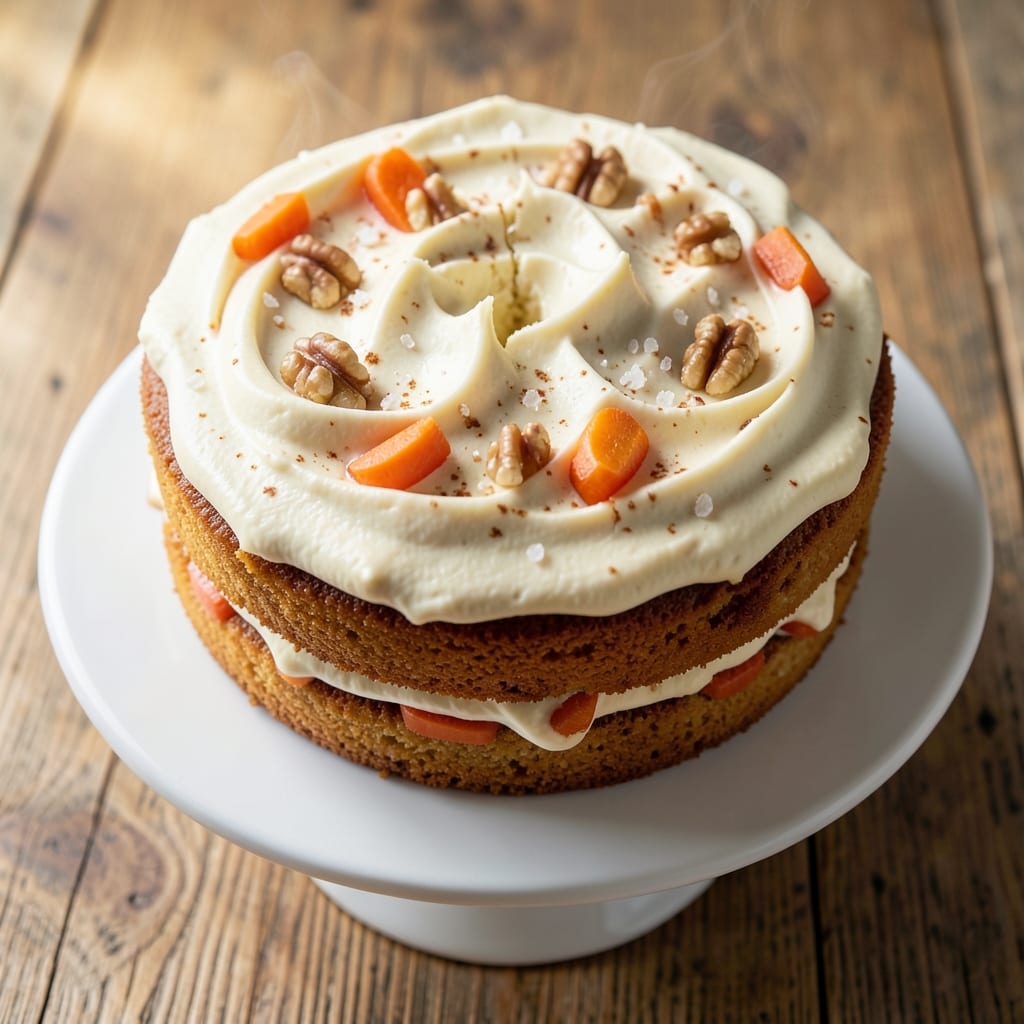
This bakery-style carrot cake recipe delivers layers of moist, spiced cake and velvety cream cheese frosting that rivals any bakery. The secret lies in properly creaming butter and sugar, folding in finely grated carrots, and baking until golden—techniques that create a tender crumb with just the right texture. I've perfected this version over years of testing, ensuring it's foolproof for home bakers with standard kitchen tools.
The cake itself is a perfect balance of sweetness and spice, with walnuts adding satisfying crunch between layers. What sets this apart is the cream cheese frosting—smooth, tangy, and perfectly sweetened to complement the cake's natural flavors. Each bite delivers that classic carrot cake experience without requiring professional equipment.
By the time you're done, you'll have a beautifully layered cake with moist, spiced layers and a frosting so creamy it practically melts in your mouth. The aroma alone will have everyone gathering around your kitchen, and the first slice will prove this is a recipe worth keeping in your rotation.
Whether you're baking for a celebration or simply craving a classic dessert, this carrot cake delivers bakery-quality results with minimal effort. The techniques are straightforward, the ingredients are accessible, and the outcome is consistently impressive. Let's get started!
Ingredients for bakery style carrot cake
Pantry staples plus a few specialty touches—this list delivers bakery-worthy cake layers.
| Ingredient | Amount | Notes |
|---|---|---|
| All-Purpose Flour 🌾 | 2 ½ cups | Sifted for light texture |
| Granulated Sugar 🍚 | 2 cups | White or light brown |
| Unsalted Butter 🧈 | 1 cup | Room temperature, softened |
| Orange Juice 🍊 | ½ cup | Freshly squeezed, unsweetened |
| Vegetable Oil 🫒 | ½ cup | For extra moisture |
| Large Eggs 🥚 | 4 whole | Room temperature |
| Pure Vanilla Extract 🌸 | 2 tsp | High-quality preferred |
| Ground Cinnamon 🌿 | 2 tsp | Freshly ground for warmth |
| Ground Ginger 🌶️ | 1 ½ tsp | Freshly ground preferred |
| Ground Nutmeg 🌿 | ½ tsp | Freshly grated |
| Salt 🧂 | ½ tsp | Kosher or sea salt |
| Baking Soda 🧪 | ½ tsp | Fresh for best rise |
| Finely Grated Carrots 🥕 | 3 cups | Peels included, finely grated |
| Chopped Walnuts 🌰 | 1 ½ cups | Toasted for extra flavor |
| Cream Cheese 🧀 | 16 oz | Room temperature, full-fat |
| Powdered Sugar 🍚 | 4 cups | Sifted for smooth frosting |
| Heavy Whipping Cream 🥛 | 1 cup | Cold for stability |
| Pure Vanilla Extract 🌸 | 1 tsp | Same batch as cake |
The butter and sugar are non-negotiable for that tender crumb. Crisco or Country Crock work perfectly, but don't skimp on quality—salted butter will throw off the balance. For the carrots, organic from the farmers market have the best flavor, but regular grocery store carrots work fine if they're fresh. The walnuts? Trader Joe's has pre-chopped ones that save time, but toasting your own makes all the difference. And that vanilla extract? Nothing but pure—imitation won't cut it here.
No orange juice? Apple juice works in a pinch, but the citrus brightens the whole cake. Swap brown sugar for white if that's what you've got, but the molasses in brown adds depth. For the frosting, Philadelphia cream cheese is my go-to, but any full-fat brand will do. No heavy cream? Whipped coconut cream gives a similar texture (though it's dairy-free). The spices are key—measure carefully, but don't stress if you're a little off. The cake's forgiving that way.
This cake keeps beautifully—3 days at room temperature wrapped tightly, or 1 week in the fridge. For the frosting, assemble it 24 hours ahead if you can—flavors meld overnight. Freeze the unfrosted layers for 3 months if you're prepping ahead. And that leftover frosting? Slather it on pancakes—trust me on this. The cake itself reheats well in the microwave for 10 seconds if you want it warm.
Why You'll Love This Recipe
- No Fuss Mix-In: I swear by the orange juice trick—it keeps the cake moist without tasting like cake. Just fold in the grated carrots and walnuts, no fancy layering or piping. Honestly, the buttercream comes together in minutes with powdered sugar and cream cheese.
- Sweet-Spiced Magic: That sugar-butter combo? It’s the secret to a tender crumb. The orange juice adds a bright, subtle tang that cuts through the sweetness—like a hug for your taste buds. (Yes, even on a Tuesday night.)
- Party or Pantry: Slice it for a potluck, wrap it for gifts, or stash it in the freezer. The frosting stays creamy even after days, and the cake reheats beautifully. Between us, my coworkers still ask for seconds from the office party.
- Budget Bakery Trick: No specialty ingredients—just pantry staples and a little elbow grease. A single batch feeds six, and leftovers? Perfect for breakfast toast or dessert the next day. My wallet thanks me every time.
Step-by-step instructions for bakery-style carrot cake
Here's how to create layers of moist, spiced carrot cake with that perfect bakery finish.
Prepare the Cake Batter
Preheat your oven to 350°F and grease two 9-inch round cake pans, lining the bottoms with parchment paper for easy removal. In a large mixing bowl, combine the 2.5 cups of all-purpose flour, 2 cups of granulated sugar, 2 tsp of ground cinnamon, 1.5 tsp of ground ginger, 0.5 tsp of ground nutmeg, 0.5 tsp of salt, and 0.5 tsp of baking soda. Whisk these dry ingredients together until fully blended and no lumps remain.
In a separate large bowl, cream together the 1 cup of softened unsalted butter and 0.5 cup of vegetable oil until light and fluffy—about 3-4 minutes with an electric mixer. Gradually add the 4 whole large eggs, one at a time, mixing well after each addition. Stir in the 0.5 cup of freshly squeezed orange juice and 2 tsp of pure vanilla extract until fully incorporated. The mixture should be smooth and well combined.
Combine Wet and Dry Ingredients
With the mixer on low speed, gradually add the dry ingredient mixture to the wet ingredients. Mix just until combined—do not overmix—to maintain a tender cake texture. Fold in the 3 cups of finely grated carrots and 1.5 cups of toasted chopped walnuts by hand using a spatula, ensuring even distribution throughout the batter. The batter will be thick and moist, almost like a dense brownie mixture.
Divide the batter evenly between the two prepared cake pans. Smooth the tops with a spatula, making sure to fill the pans completely. Bake for 25-30 minutes, or until a toothpick inserted into the center comes out clean. The cakes should spring back slightly when gently pressed in the center. Let the cakes cool in the pans for 10 minutes before transferring them to a wire rack to cool completely.
Make the Cream Cheese Frosting
While the cakes are cooling, prepare the frosting by beating the 16 oz of room-temperature cream cheese in a large mixing bowl until smooth and creamy—about 2-3 minutes. Gradually add the 4 cups of sifted powdered sugar, mixing on low speed until fully incorporated. Increase the speed to medium and beat in the 1 cup of cold heavy whipping cream and 1 tsp of pure vanilla extract until the frosting is light, fluffy, and holds stiff peaks when a spoon is lifted.
This step is crucial for achieving that classic bakery-style frosting. If the frosting is too thick, add 1-2 tablespoons of milk to loosen it slightly. The frosting should be smooth, spreadable, and hold its shape without being overly stiff. Taste and adjust the sweetness if needed, adding more powdered sugar if desired.
Assemble the Layers
Once the cakes are completely cool, place one layer on a serving plate or cake stand. Spread a generous layer of the cream cheese frosting evenly over the top, leaving a small border around the edges. Place the second cake layer on top and spread the remaining frosting over the top and sides of the cake, creating a smooth, even surface. Use a spatula to smooth out any imperfections, ensuring the frosting covers the entire cake.
For a professional finish, you can pipe additional frosting around the edges or create decorative swirls on top. Chill the cake in the refrigerator for at least 30 minutes before serving to allow the frosting to set. This step ensures the cake holds its shape and delivers that perfect bakery-style texture with every slice.
Pro Tips For Making Bakery Style Carrot Cake
- Cream Butter Properly: Take your butter out of the fridge 30 minutes before mixing—cold butter traps air, and you’ll end up with a dense, heavy cake. Use a stand mixer on medium-high until the butter is light, fluffy, and pale yellow (about 2-3 minutes). I learned this the hard way after a cake that sank like a rock.
- Grate Carrots Fine: Skip the food processor—finely grated carrots (almost like wet sand) distribute moisture evenly and mimic traditional bakery texture. A box grater with the smallest holes works best, and don’t skip rinsing them first to remove dirt. Too chunky? Your cake will taste dry and uneven.
- Don’t Overmix Batter: Mix the wet and dry ingredients just until combined—overworking the batter introduces too much gluten, and your cake turns tough instead of tender. Stop when there are no more flour streaks and the batter clumps together. I used to go overboard, and the result was more like a dense loaf than a moist cake.
- Use Room-Temp Eggs: Crack eggs into a separate bowl first, let them sit at room temp for 10 minutes, then whisk them smooth before adding to the batter. Cold eggs can cause the butter to seize up, and you’ll end up with lumps. Sounds small, but it makes a real difference in texture—trust the process.
Troubleshooting great bakery style carrot cake
Cake Too Dense
If your carrot cake turns out dense instead of tender, you likely overmixed the batter. The moment the dry ingredients are fully incorporated, stop mixing to preserve that light, airy texture. Also, ensure your butter is fully softened but not melted—it should dent when pressed with a finger. Another common culprit is insufficient leavening; double-check that your baking soda is fresh (old baking soda loses potency). 🥕
Dry or Cracked Frosting
Frosting that cracks or dries out usually means it wasn’t properly chilled before spreading. Let your frosting sit in the fridge for 10-15 minutes before assembling the cake—this helps stabilize it. If it’s too thick, add 1 tbsp milk at a time until smooth. For extra insurance, pipe a thin layer of frosting between cake layers to prevent moisture loss. 🧀
Uneven Baking
Uneven baking often happens with hot spots in your oven. Rotate your cake pans halfway through baking (after 15 minutes) to ensure even heat distribution. If your oven runs hot, reduce the temperature to 325°F and add 5-10 minutes to the bake time. Avoid opening the oven door early—temperature fluctuations cause cakes to sink. 🔥
Frosting Too Sweet
If your frosting tastes cloyingly sweet, it’s likely because the powdered sugar wasn’t sifted properly, leaving grainy lumps that mask flavor. Sift the sugar thoroughly before mixing, and taste as you go—adjust with 1 tsp lemon juice to balance sweetness. For a more sophisticated flavor, add ½ tsp cream of tartar to stabilize the frosting and enhance tang. 🍋
Carrots Bleeding Moisture
Excess moisture from carrots can make your cake gummy. To prevent this, squeeze the grated carrots dry in a clean kitchen towel before folding them into the batter. Also, avoid over-grating—stick to finely grated (not shredded) carrots, and use organic carrots if possible, as their skins contain less water. 🥕
Cake Sticking to Pans
If your cake sticks despite greasing the pans, your butter might not have been soft enough or the parchment paper wasn’t placed correctly. Next time, use a 9-inch round silicone baking mat under the parchment for extra insurance. For stubborn cakes, run a thin knife around the edges while the cake is still warm to loosen it gently. 🧈
Nutrition facts
Frequently asked questions
Can I substitute walnuts in this carrot cake?
Swap the walnuts for 1.5 cups of pecans or 1 cup of chopped almonds for a different texture. For extra crunch, try toasted pecans or even chopped candied ginger if you prefer a sweeter contrast. Just toast any nuts first to enhance their flavor.
How do I make this cake gluten-free?
Replace the all-purpose flour with a 1:1 gluten-free flour blend (like Bob's Red Mill) and add 1 tsp xanthan gum to the dry ingredients. For the frosting, ensure your cream cheese is gluten-free and use a certified blend for powdered sugar. The texture may be slightly denser, so reduce baking time by 2-3 minutes.
Can I bake this cake in a different pan size?
Yes, but adjust the baking time. For a 9x13-inch pan, bake 30-35 minutes (cover loosely with foil if browning too quickly). For 8-inch pans, reduce to 20-25 minutes. Always check doneness with a toothpick—it should come out clean.
Why does my frosting sometimes curdle?
Curdled frosting usually happens when cream cheese isn't fully room temperature or if it's mixed too vigorously. Let the cream cheese sit at room temperature for 1-2 hours before using, and mix on low speed until smooth. If it curdles slightly, blend with an immersion blender or add 1 tbsp lemon juice to stabilize it.
How can I make this cake vegan?
Use vegan butter and flax eggs (1 tbsp ground flaxseed + 3 tbsp water per egg). Replace cream cheese with a vegan cream cheese alternative and heavy cream with coconut cream. For the frosting, add 1 tsp apple cider vinegar to help stabilize it. The texture will be slightly different but still delicious!