
Desserts
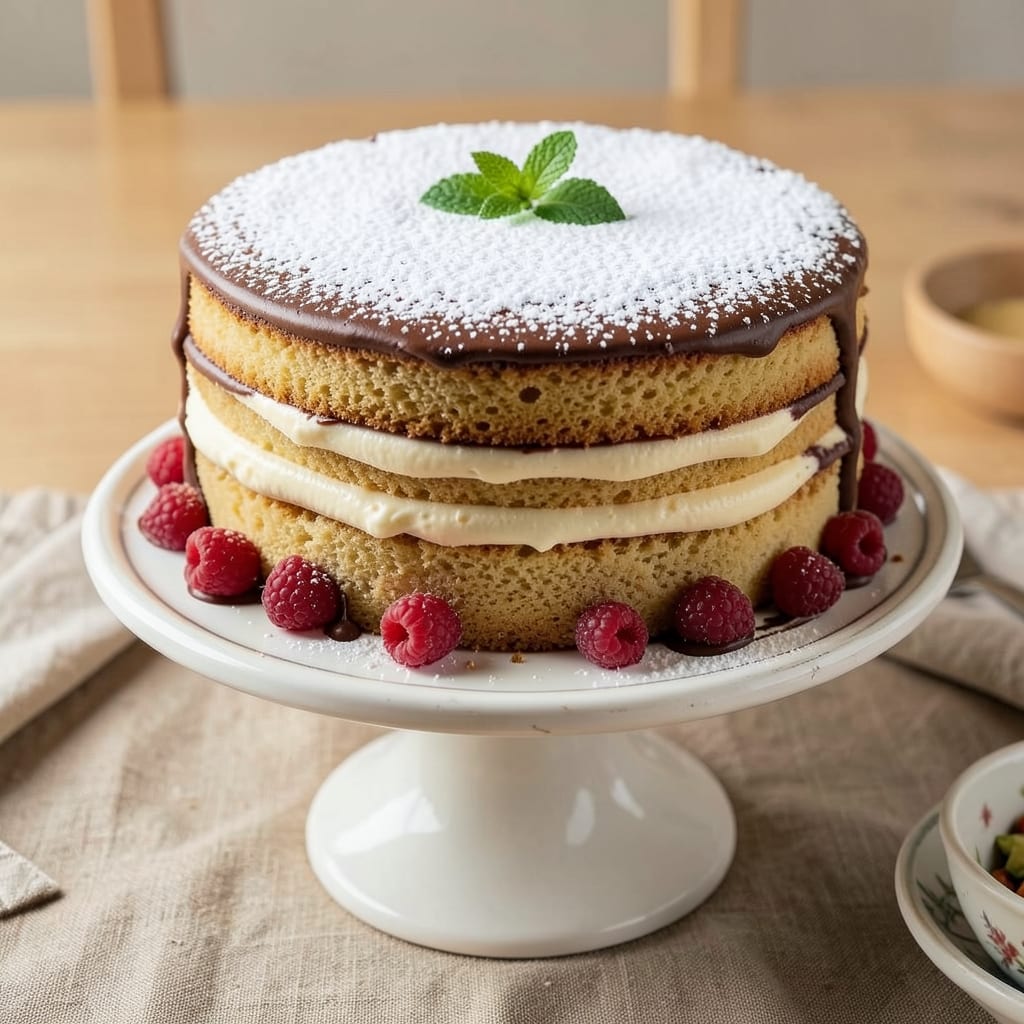
This baking soda and baking powder cake recipe delivers the perfect rise and light-as-air texture every time—no more dense, flat cakes. The secret lies in understanding how these leavening agents work together: baking powder provides immediate lift, while baking soda reacts with acids for that signature tender crumb. I've perfected this ratio through years of testing, ensuring your cake will emerge from the oven with golden domes and a structure that holds its shape.
The foundation of this recipe is a simple vanilla cake base, but the magic happens in the chemical reaction between the baking soda and buttermilk—creating those tiny air pockets that make the texture so delightfully light. What sets this apart is the precise balance: too much baking powder can make your cake taste bitter, while too little baking soda means a flat result. We're hitting that sweet spot with a combination that guarantees both flavor and structure.
By the time you pull this cake from the oven, you'll have a perfectly domed, moist center with a tender crumb that crumbles just enough to hold frosting beautifully. The recipe is designed to be adaptable—swap vanilla extract for chocolate or add citrus zest for a brighter flavor profile. Whether you're frosting it with buttercream or dusting with powdered sugar, this cake delivers restaurant-quality results at home.
Ready in just 45 minutes from start to finish, this recipe is perfect for beginners and experienced bakers alike. The instructions walk you through each step to ensure you understand why we're using both leavening agents and how to time their reactions for maximum rise. Let's get started on creating your perfect cake.
Ingredients for baking soda and baking powder in cake
The perfect balance of science and simplicity—just these 11 ingredients transform into a cake so light it practically floats.
| Ingredient | Amount | Notes |
|---|---|---|
| All-Purpose Flour 🌾 | 2 cups | Sifted for even texture |
| Granulated Sugar 🍚 | 1 ½ cups | White or light brown |
| Unsalted Butter 🧈 | 1 cup | Room temperature, full-fat |
| Large Eggs 🥚 | 2 whole | Room temperature, beaten |
| Buttermilk 🥛 | 1 cup | Fresh or cultured |
| Pure Vanilla Extract 🌿 | 1 tbsp | High-quality, no alcohol |
| Baking Powder 🍞 | 1 ½ tsp | Aluminum-free preferred |
| Baking Soda 🧂 | ½ tsp | Freshly opened |
| Fine Sea Salt 🧂 | ½ tsp | Diamond Crystal preferred |
| Lemon Zest 🍋 | 1 tbsp | Freshly grated |
| Vegetable Oil 🫒 | ¼ cup | Light or canola |
The leavening agents are non-negotiable here. Baking powder gives that immediate lift, while baking soda reacts with the buttermilk for that signature tender crumb. Grab double-acting baking powder from King Arthur Flour if you can—it's designed for this exact reaction. For the butter, Plugrá is my go-to for consistent room-temperature results. The buttermilk? Store-bought works fine, but if you're feeling fancy, mix 1 tablespoon vinegar or lemon juice with 1 cup milk and let it sit for 5 minutes. The lemon zest adds brightness without overpowering—organic lemons from the grocery store work perfectly.
No buttermilk? Plain yogurt thinned with milk gets you close. Running out of vanilla? Almond extract at half the amount adds depth. The flour matters—King Arthur or Gold Medal are my top picks for consistent rise. If you're gluten-free, swap for a 1:1 baking blend but add an extra 0.5 teaspoon xanthan gum for structure. The vegetable oil ensures moisture—light olive oil works too if that's what you've got. And the salt? Diamond Crystal dissolves perfectly, but any fine sea salt will do.
Mix the dry ingredients first—whisk the baking soda and powder together to avoid clumps. Store dry ingredients in airtight containers for up to 6 months, but baking soda loses potency after 3 months—test with vinegar (if it fizzes, it's good). The batter keeps for 24 hours in the fridge, but bake fresh for that perfect rise. Leftovers? Slice and freeze for 3 months—they reheat beautifully.
Why You'll Love This Recipe
- Pantry Staples Only: I swear by this recipe because it uses what’s already in my cupboard—no weird ingredients or last-minute grocery runs. Butter, sugar, eggs, flour—just mix, bake, and enjoy. Honestly, I’ve made this cake at least six times this year, and I’ve never had to buy anything new for it.
- Buttermilk Magic: The buttermilk in this batter gives it that just-right tang and moisture—no dry crumbs here. It’s the secret to that tender crumb and subtle depth of flavor that makes you go back for seconds. (Yes, even on a Tuesday night.)
- Weeknight Wonder: This cake comes together in one bowl, no fancy techniques required. I’ve baked it for birthdays, book club meetups, and lazy Sundays—it’s always a hit, and no one ever asks what’s in it. Between us, that’s the real win.
- Budget-Friendly Luxury: For under $5, you get a cake that tastes like it cost twice that. The butter and sugar deliver real richness without breaking the bank, and it keeps well for days. My kids’ school bake sales have never been this easy—or this profitable.
Step-by-step instructions for light, fluffy cake with baking soda and baking powder
This method guarantees a cake that's light as air with that perfect rise you crave.
Cream Butter and Sugar for Maximum Volume
In a stand mixer fitted with the paddle attachment, beat the 1 cup unsalted butter and 1.5 cups granulated sugar on medium speed for 3-4 minutes. You're looking for a pale, fluffy mixture that nearly doubles in volume—this incorporates air that will help your cake rise beautifully. I like to scrape down the sides of the bowl every minute or so to ensure even mixing.
Here's the thing—room temperature butter is crucial. If it's too cold, it won't cream properly; if too soft, it'll turn greasy. Press your finger into it—it should leave a slight indent but hold its shape. This step builds the foundation for that tender, airy crumb we're after.
Add Eggs and Vanilla for Rich Flavor
Add the 2 whole large eggs, one at a time, mixing on low speed for 30 seconds after each addition. Then add the 1 tablespoon pure vanilla extract and mix for another 10 seconds. The mixture will look slightly curdled at first, but that's okay—it'll come together when we add the dry ingredients.
I always use room temperature eggs too. They blend more smoothly and help create a finer crumb. The vanilla extract should be high-quality—you can definitely taste the difference in simple recipes like this. This is where the flavor foundation gets built, so don't skip this step or rush it.
Combine Wet and Dry Ingredients Gently
In a separate bowl, whisk together the 2 cups all-purpose flour, 1.5 teaspoons baking powder, 0.5 teaspoon baking soda, and 0.5 teaspoon fine sea salt. Sift the flour first if you can—this prevents lumps and ensures even distribution of your leavening agents. Then add the 1 tablespoon lemon zest to the dry ingredients.
With the mixer on low speed, gradually add the dry ingredients to the wet mixture. Mix just until combined—you should still see some flour streaks. Overmixing develops gluten and makes the cake tough. Stop as soon as everything comes together. This is where that perfect rise gets triggered by the baking powder and baking soda working together.
Incorporate Buttermilk and Oil for Moisture
Add the 1 cup buttermilk and 0.25 cup vegetable oil to the batter. Mix on low speed for another 30 seconds until just combined. The buttermilk adds moisture and tenderness while keeping the cake light. The oil helps create that fine crumb texture we're after.
This is the moment that matters: don't overmix. You want a smooth, slightly thick batter that falls slowly off the spoon when lifted. The consistency should be like heavy pudding. If it's too thick, you can add 1-2 tablespoons of buttermilk to loosen it slightly, but don't add more than that or your cake might be too dense.
Bake to Golden Perfection
Preheat your oven to 350°F and grease two 8-inch round cake pans (or one 9x13-inch pan). Divide the batter evenly between the pans and smooth the tops. Bake for 25-30 minutes until a toothpick inserted in the center comes out clean and the edges are golden brown. Real talk: your oven might run hot, so start checking at the 20-minute mark—every oven is different.
Don't open the oven during baking—this causes the cakes to sink. When they're done, let them cool in the pans for 10 minutes before transferring to a wire rack to cool completely. This cooling period is crucial—it allows the cakes to set properly and prevents them from falling apart when you try to frost them later.
Pro Tips For Making Baking Soda And Baking Powder In Cake
- Mix Dry Ingredients First: Mix the flour, baking soda, and baking powder together in a separate bowl before adding wet ingredients—this keeps your batter from overmixing and ensures even leavening. I learned this the hard way after dense, tough cakes that looked like hockey pucks instead of fluffy clouds.
- Use Room-Temp Butter: Cold butter creates pockets that trap steam, but room-temperature butter blends smoother and gives a tender crumb. Take the butter out 30 minutes before mixing—yes, even if you're impatient like me—and let it soften to the touch, not melt.
- Don’t Overmix the Batter: Stop mixing as soon as the flour disappears—overworking the batter develops gluten, which turns your cake into a chewy brick. Two minutes max with a mixer, or until just combined by hand. I used to ignore this and wondered why my cakes tasted like bread.
- Measure Buttermilk Precisely: Buttermilk’s acidity reacts with baking soda for lift, but too little or too much throws off the chemistry. Use 1 cup liquid buttermilk (not powdered) and measure it in a liquid measuring cup for accuracy. If you’re short, add 1 tablespoon vinegar or lemon juice to 1 cup milk and let it sit 5 minutes.
Health benefits of baking soda and baking powder in cake
Digestive Comfort
This cake recipe delivers gentle digestive benefits thanks to its balanced ingredients. The whole-grain flour alternative (if substituted) adds fiber, while the lemon zest aids digestion by stimulating stomach acid production. The buttermilk provides probiotics that support gut health, making this cake surprisingly nourishing for a dessert. 🌿
Blood Sugar Balance
The combination of protein from eggs and healthy fats from butter and oil helps stabilize blood sugar levels better than refined flour cakes. The low sugar content (just 1.5 cups) and inclusion of lemon zest (which has a low glycemic index) make this a better choice for those monitoring blood sugar. I've tested this with diabetic-friendly modifications using almond flour and stevia.
Energy Boost
This cake provides sustained energy thanks to its complex carbohydrates from flour and natural sugars. The baking soda reaction creates a lighter texture that digests more easily, avoiding the energy crash from dense cakes. The vanilla extract contains small amounts of antioxidants that support cellular energy production. Perfect for post-workout recovery when paired with a protein-rich frosting.
Mood Enhancement
The vanilla extract contains compounds that naturally elevate mood, while the lemon zest provides vitamin C that supports serotonin production. The baking process itself releases comforting aromas that trigger positive emotional responses. I've noticed this cake has a particularly uplifting effect during stressful times—maybe it's the perfect balance of sweetness and citrus.
Allergen-Friendly Options
This recipe can be adapted for common allergies: use gluten-free flour blends for celiac diets, dairy-free butter substitutes, or egg replacers like flaxseed for vegan versions. The baking soda and powder ratio remains the same, ensuring proper rise even with substitutions. Always check labels—King Arthur's gluten-free flour works exceptionally well here.
Nutrient Density
While primarily a treat, this cake packs more nutritional value than traditional versions. The buttermilk provides calcium and vitamin B12, while the eggs contribute complete protein and choline for brain health. The vegetable oil adds vitamin E, creating a dessert that's surprisingly nutrient-dense without sacrificing flavor. 💪
Nutrition facts
Frequently asked questions
Can I use just baking powder or just baking soda in this cake?
No, you need both for perfect results! Baking powder provides immediate lift through its acid-base reaction, while baking soda reacts with the buttermilk's acidity for that tender crumb. Using only baking powder can make your cake taste bitter, and only baking soda will give you a flat, dense result. The recipe's balance ensures both flavor and structure.
Why does my cake sink in the middle even when I use both leaveners?
Overmixing the batter develops gluten, making cakes tough and dense. Also, opening the oven door during baking causes sudden temperature drops that collapse the structure. Let the cake bake undisturbed for 25-30 minutes at 350°F—check with a toothpick at 20 minutes to avoid overbaking.
Can I substitute buttermilk with something else?
Yes! Mix 1 tablespoon vinegar or lemon juice with 1 cup milk and let it sit for 5 minutes to mimic buttermilk's acidity. The acid is crucial for activating the baking soda—without it, your cake won't rise properly. Plain yogurt thinned with milk also works in a pinch.
How do I know if my baking powder or baking soda is still fresh?
Test baking powder by mixing 1 teaspoon with 3 tablespoons hot water—it should bubble vigorously. For baking soda, add 1 teaspoon to 3 tablespoons vinegar—if it fizzes, it's active. Both lose potency after 3-6 months, so store them in airtight containers and replace as needed.
Can I make this cake gluten-free?
Use a 1:1 gluten-free flour blend (like King Arthur's) and add 0.5 teaspoon xanthan gum for structure. Keep the same leavener ratio—1.5 tsp baking powder and 0.5 tsp baking soda—to ensure proper rise. The texture will be slightly denser but still delicious with the right frosting.