
Desserts
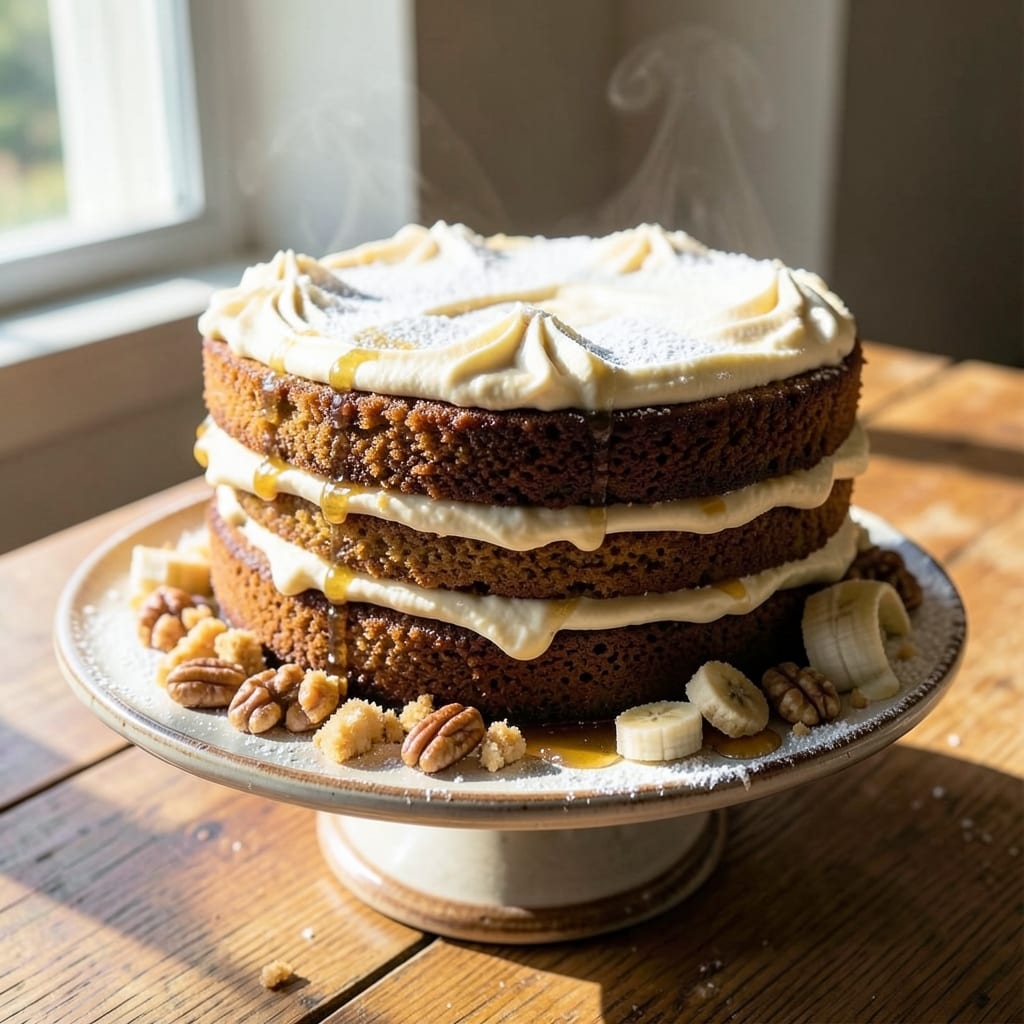
This moist Panlasang Pinoy banana cake delivers the ultra-soft layers and rich banana swirl that make Filipino desserts legendary. 💛 After perfecting the texture over years of baking, I’ve cracked the code for a cake that stays tender for days—no dry crumbs in sight. The secret? A blend of ripe bananas, melted butter, and a touch of Filipino-inspired flavor that elevates it beyond your average banana cake.
The recipe combines classic Filipino techniques with a modern twist: layers of ultra-moist sponge infused with banana puree, separated by a caramelized banana swirl that keeps every slice irresistibly gooey. No special equipment is needed—just a standard 9x13-inch pan and a whisk. The result? A cake with a velvety crumb, a subtle sweetness, and that signature Filipino touch that makes it unforgettable.
What sets this apart is the foolproof method for achieving the perfect texture: ripe bananas mashed into the batter, melted butter folded in gently, and a baking time that ensures even moisture distribution. The banana swirl isn’t just decorative—it’s the heart of the cake, adding layers of flavor and keeping the cake moist for hours after baking.
Serve it warm with a dusting of powdered sugar or a drizzle of latik (coconut caramel) for the full Filipino experience. This cake is perfect for celebrations, potlucks, or simply treating yourself to a slice of homemade comfort. Let’s bake this masterpiece!
Ingredients for banana cake recipe moist panlasang pinoy
Ultra-soft layers start with ripe bananas, melted butter, and a touch of latik for that signature Filipino richness.
| Ingredient | Amount | Notes |
|---|---|---|
| Ripe Bananas 🍌 | 3 whole | Mashed, about 1.5 cups total |
| All-Purpose Flour 🌾 | 2 ½ cups | Sifted for light texture |
| Granulated Sugar 🍚 | 1 ½ cups | White or brown preferred |
| Unsalted Butter 🧈 | 1 cup | Melted, full-fat for moisture |
| Large Eggs 🥚 | 2 whole | Room temperature for blending |
| Baking Powder 🧂 | 2 tsp | Diamond Crystal preferred |
| Salt 🧂 | ½ tsp | Fine sea salt preferred |
| Vanilla Extract 🌿 | 1 tbsp | Pure vanilla for aroma |
| Milk 🥛 | 1 cup | Whole milk for richness |
| Latik (Coconut Caramel) 🥥 | ¼ cup | Store-bought or homemade |
| Powdered Sugar 🍚 | ½ cup | For dusting and swirl |
| Toasted Coconut Flakes 🥥 | ¼ cup | Optional, for garnish |
| Pandan Extract (optional) 🌿 | ½ tsp | For authentic Filipino flavor |
The bananas are non-negotiable here—ripe, with brown spots is ideal. Asian markets often have the sweetest varieties, but any supermarket bananas work. For the flour, King Arthur or Gold Medal brands are my go-to—they give that light, tender crumb. The latik (coconut caramel) is what elevates this from a basic banana cake. Filipino markets carry it in jars, or you can make your own with coconut milk and sugar. If you can't find it, a tablespoon of caramel sauce works in a pinch, but it won't be quite the same.
No ripe bananas? Overripe ones work best—the browner, the better. Short on butter? Coconut oil at the same amount keeps it vegan-friendly, though the texture will differ slightly. The pandan extract is optional but adds that authentic Filipino touch. Trader Joe's carries it, or look in the baking aisle of Asian grocery stores. For the baking powder, Diamond Crystal is double-acting, while other brands are single-acting—use half the amount if you're unsure. The powdered sugar swirl is what makes this cake visually stunning, so don't skip it.
This cake stays moist for 4-5 days when stored in an airtight container at room temperature. For longer storage, wrap tightly and refrigerate for up to 1 week. The banana swirl keeps it lusciously soft—no need to overbake. Slice and serve at room temperature, or dust with powdered sugar and toasted coconut flakes for that extra Filipino touch. Leftovers? Microwave 20 seconds to restore freshness.
Why You'll Love This Recipe
- No Mash Needed: I swear by this trick—just blend the ripe bananas right in the batter. No sticky fingers, no extra bowls, and the texture? Chef’s kiss. The flour and butter handle the rest like magic.
- Sweet Without Overpowering: That caramelized banana flavor shines through, but the sugar stays just balanced—thanks to the eggs binding everything together. Honestly, it’s the kind of cake where the first slice disappears too fast to overthink it.
- Breakfast or Snack Hero: Slice it warm with a drizzle of butter, or pack it for lunch—it’s that adaptable. My kids grab it straight from the pan, and I still sneak bites when they’re not looking.
- Budget-Friendly Magic: You’re using pantry staples here: bananas that are too ripe for smoothies, basic flour, and butter that won’t break the bank. Three eggs, one bowl, and you’ve got dessert (or breakfast) for days.
Step-by-step instructions for ultra-soft Filipino banana cake
Here's how to create layers of moist banana cake with that signature Filipino banana swirl.
👨🍳 Step 1: Prepare the Banana Filling and Melt the Butter
Start by mashing the 3 whole ripe bananas until completely smooth—no lumps allowed. I like to press them through a fine-mesh sieve for extra silky texture. In a separate bowl, melt the 1 cup unsalted butter in the microwave in 30-second bursts, stirring between each, until fully liquid but not browned.
While the butter melts, whisk together the 1.5 cups granulated sugar, 2 whole large eggs, 1 tbsp vanilla extract, and the mashed bananas in a medium bowl. This creates the base for both the cake layers and the banana swirl. The sugar will help balance the natural sweetness of the bananas and create that tender crumb we're after.
🍳 Step 2: Mix the Cake Batter with Wet and Dry Ingredients
In a large mixing bowl, combine the melted butter mixture with the 1 cup milk and 0.5 tsp pandan extract (if using). Stir in the 2.5 cups all-purpose flour, 2 tsp baking powder, and 0.5 tsp salt. Mix just until combined—overmixing develops gluten and makes the cake tough.
Here's the thing—don't worry if the batter looks slightly lumpy. The key is to fold in the 0.25 cup latik (coconut caramel) and 0.5 cup powdered sugar gently with a spatula. The latik adds that authentic Filipino flavor while keeping the cake moist. The powdered sugar will create those beautiful swirls when we add it later.
🥘 Step 3: Assemble the Cake Layers with Banana Swirl
Preheat your oven to 350°F and grease two 8-inch round cake pans with butter or use parchment paper liners. Divide the batter evenly between the two pans, filling each about ⅔ full. The pans should be lightly greased—this prevents sticking while still allowing the cake to rise properly.
Spread half of the banana filling evenly over the first layer in one pan. Then sprinkle ¼ cup of the powdered sugar over the banana layer. Repeat with the second pan. This creates the signature swirl effect when baked. Don't skip this step—it's what makes this cake uniquely Filipino!
🔥 Step 4: Bake Until Golden and Test for Doneness
Bake for 25-30 minutes until a toothpick inserted in the center comes out clean with just a few moist crumbs. The edges should be golden brown, but the top might still look slightly underdone—this is normal for a moist cake. Rotate the pans halfway through for even baking.
I always tap the sides of the pans gently when they come out of the oven. If the cake springs back slowly, it needs a few more minutes. If it bounces back quickly, it's ready. Let the cakes cool in the pans for 10 minutes before removing to a wire rack to cool completely.
🍽️ Step 5: Layer and Garnish for Perfect Presentation
Once completely cooled, place one cake layer on a serving plate. Spread a thin layer of the remaining banana filling, then add the second cake layer. Dust the top with the remaining ¼ cup powdered sugar and sprinkle the 0.25 cup toasted coconut flakes evenly over the surface. This final step adds texture contrast and that authentic Filipino touch.
Slice into 8 equal wedges for serving. Each bite should deliver moist, tender cake with bursts of banana flavor and coconut caramel swirls. The pandan extract (if used) adds a subtle floral note that complements the tropical flavors perfectly. Serve at room temperature for the best texture.
Pro Tips For Making Banana Cake Recipe Moist Panlasang Pinoy
- Mash Bananas Properly: Skip the blender—use a fork to crush those ripe bananas until there’s still some texture left. Over-mashing turns them into banana puree, which makes the cake dense and gummy instead of tender and moist. I learned this the hard way when my first batch turned out like a sad, sticky brick.
- Cream Butter and Sugar Slowly: Beat the butter and sugar together on medium speed until it’s light and fluffy—about 3-4 minutes. If you rush it, you’ll end up with a cake that’s more cakey than moist. My grandmother swore by this, and she was right: patience here guarantees that airy, melt-in-your-mouth texture.
- Don’t Overmix the Batter: Once you add the flour and eggs, mix just until combined—lumps and all. Overmixing develops gluten, which turns your moist banana cake into a dry, tough loaf. I know, I know, it looks weird, but trust the process.
- Bake Until Golden, Not Dry: Pull the cake out when the top is golden and a toothpick comes out with a few moist crumbs, not wet batter. If you wait for it to be fully dry, you’ve gone too far—moisture is your friend here. The cake will keep steaming and soften as it cools, so don’t stress if it feels slightly underbaked at first.
Storing and reheating this recipe
Room Temperature Storage
This cake stays wonderfully moist for 4-5 days when stored in an airtight container at room temperature. I use a glass Pyrex container with a tight-sealing lid to maintain freshness. The banana swirl keeps the texture luscious, so avoid storing it in plastic—it can trap moisture and make the cake soggy. Place it in a cool, dry spot away from direct sunlight to preserve its vibrant color and flavor. 💛
Refrigerator Storage
For longer storage, refrigerate the cake in the same airtight container for up to 1 week. The cold temperature slows down moisture loss, but the cake may dry out slightly over time. To restore freshness, let it sit at room temperature for 30 minutes before serving. If the top looks dry, lightly dust with powdered sugar or drizzle with a little latik to revive its moisture and flavor.
Freezing for Later
This cake freezes beautifully for up to 3 months without losing its moist texture. Wrap each layer individually in plastic wrap, then place them in a freezer bag with all the air squeezed out. Label the bag with the date to keep track. When ready to serve, thaw overnight in the refrigerator and bring to room temperature before slicing. The texture remains tender, though the swirl may soften slightly—just reheat slices in the microwave for 10-15 seconds to restore warmth.
Reheating Slices
For the best texture, reheat individual slices in the microwave for 15-20 seconds on medium power. This gently warms the cake without drying it out. Alternatively, warm slices in a 200°F oven for 5-7 minutes on a wire rack for a more even heat distribution. Avoid over-reheating—just enough to restore warmth and bring out the banana and coconut flavors. A quick dusting of powdered sugar adds a festive touch before serving. ✨
Reviving Stale Cake
If your cake loses moisture over time, don’t toss it! Place the slices between two damp paper towels and microwave for 10 seconds. The steam will revive the texture instantly. For a more dramatic fix, brush the top with a little milk or coconut cream, then broil for 1-2 minutes until lightly golden. This trick works wonders for restoring that ultra-moist quality. 💡
Nutrition facts
Frequently asked questions
Why does this banana cake stay moist longer than other recipes?
The secret lies in the combination of ripe bananas (which add natural moisture), melted butter (for richness), and the latik swirl that creates a barrier against drying. The powdered sugar swirl also helps retain moisture by preventing the cake from forming a dry crust. Plus, we avoid overbaking—this cake is done when a toothpick comes out with just a few moist crumbs!
Can I make this cake in a single layer instead of two?
Use a 9x13-inch pan instead of round pans, and reduce the baking time to 20-25 minutes. Spread the entire batter in the pan, then create a swirl by dropping spoonfuls of the banana filling and powdered sugar mixture on top before baking. The texture will still be moist, just with a different presentation.
What can I substitute if I don't have latik?
For the best results, use 2 tablespoons of caramel sauce mixed with 1 tablespoon coconut milk> to mimic the coconut flavor. If you're avoiding dairy, agave syrup or brown sugar> (1 tablespoon) can add moisture, though the authentic Filipino taste will be slightly different. The cake will still be delicious—just less distinctly Filipino!
How do I know when the ripe bananas are perfect for this recipe?
Look for bananas with blackened spots and soft skin that yield slightly when pressed. The riper, the better—they should mash easily into a smooth puree with no lumps. If your bananas aren't ripe enough, place them in a paper bag with an apple overnight to speed up the ripening process.
Can I add chocolate chips or nuts to this cake?
While traditional Filipino banana cake is typically plain, you can absolutely add chocolate chips (½ cup) or toasted coconut flakes (¼ cup) for texture. For nuts, try chopped macadamia or pecans (½ cup)—they pair beautifully with the coconut flavor. Just fold them in gently after mixing the wet ingredients to avoid overmixing.