
Desserts
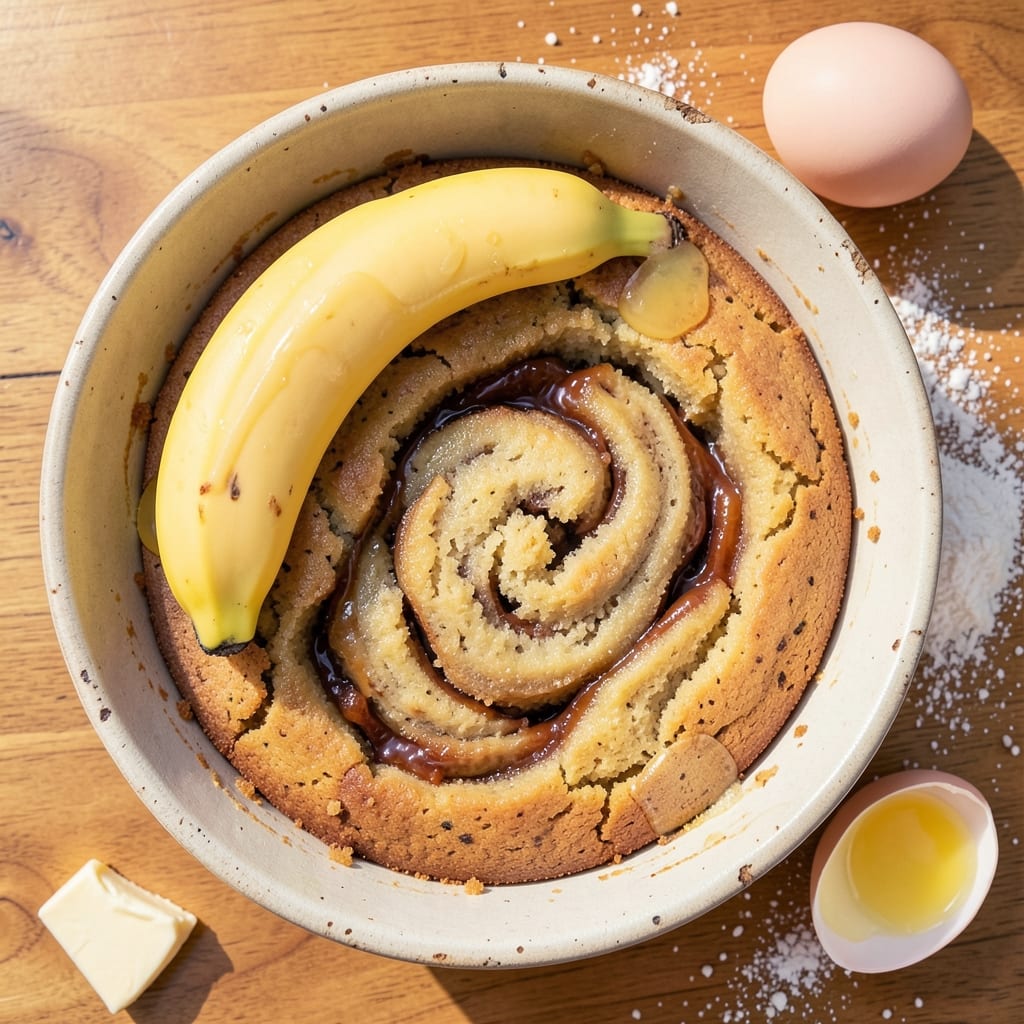
A gluten-free banana cake using rice flour delivers all the moist, tender perfection of classic banana bread without the crumbs or dryness. This recipe transforms overripe bananas into a rich, crumb-free cake that stays moist for days—ideal for gluten-sensitive bakers who crave familiar comfort. The secret lies in rice flour’s ability to absorb liquid while maintaining a tender crumb, paired with simple pantry staples for effortless success.
With just 5 ingredients and 30 minutes of prep, this cake requires no special equipment—just a mixing bowl and oven. The natural sweetness of bananas eliminates added sugar, while a touch of baking powder ensures a light yet sturdy texture. Perfect for breakfast, dessert, or snacking, it pairs beautifully with yogurt, nut butter, or a dusting of cinnamon. Let’s bake it!
Ingredients for banana cake recipe using rice flour
Five simple ingredients transform overripe bananas into a gluten-free cake with restaurant-quality moisture.
| Ingredient | Amount | Notes |
|---|---|---|
| Ripe Bananas 🍌 | 2 cups | Mashed, overripe preferred |
| White Rice Flour 🌾 | 2 cups | Fine grind preferred |
| Granulated Sugar 🍚 | ¾ cup | Brown sugar optional for depth |
| Unsalted Butter 🧈 | ½ cup | Room temperature, full-fat |
| Large Eggs 🥚 | 2 whole | Room temperature, beaten |
| Baking Powder 🍞 | 1 ½ tsp | Aluminum-free preferred |
| Ground Cinnamon 🌿 | 1 tsp | Freshly ground preferred |
| Vanilla Extract 🌸 | 1 tsp | Pure extract, not imitation |
| Pure Vanilla Extract 🌸 | 1 tsp | Ensures authentic flavor |
| Salt 🧂 | ¼ tsp | Fine sea salt preferred |
| Plain Greek Yogurt 🥛 | ½ cup | Full-fat for moisture |
Rice flour is the star here—Bob’s Red Mill or Anthony’s Goods brands are ideal for their fine grind, which ensures that signature tender crumb. Overripe bananas (those with brown spots) pack the most natural sweetness, so don’t shy away from the bruised ones. The Greek yogurt adds both moisture and subtle tang, elevating the cake beyond basic banana flavor. For the butter, Plugrá or Land O’Lakes unsalted work perfectly, but any full-fat butter will do—just be sure it’s room temperature to avoid lumps in the batter.
No Greek yogurt? Sour cream or buttermilk are excellent substitutes, though the texture will differ slightly. Short on rice flour? Sweet rice flour or a 50/50 blend with almond flour works, but the cake may be slightly denser. Vanilla extract is non-negotiable here—imitation vanilla
This cake keeps beautifully—3-4 days at room temperature wrapped in foil, or up to 5 days in the fridge. For longer storage, slice and freeze portions on a tray before transferring to a bag—3 months in the freezer with no texture loss. Reheat slices in the microwave for 15 seconds or warm in a toaster oven for a crisp edge. The yogurt in the batter means it reheats exceptionally well, almost like it’s fresh from the oven.
Why You'll Love This Recipe
- No Mash Required: I’ll admit, I used to dread mashing bananas—always ended up with lumps or sticky fingers. This recipe? Just blend the ripe ones right into the batter with the rice flour. Smooth, effortless, and no one’s left scrubbing a food processor.
- Moist Without the Glue: Here’s what sold me—the texture. Rice flour keeps this cake tender for days (yes, even on day three), while the butter and eggs add that rich, almost shortbread-like crumb. It’s the kind of cake that doesn’t dry out or turn gummy—just pure, satisfying bite after bite.
- Breakfast or Dessert: Honestly, I make this for both. Warm slices with a drizzle of honey? Instant breakfast. Chilled with whipped cream? Dessert star. The neutral rice flour base lets the bananas shine, so it works just as well for a quick snack as it does for a potluck crowd.
- Pantry Magic: Between us, this is my budget-friendly secret weapon. Rice flour is cheap, bananas last forever when ripe, and you’re using basic pantry staples. Plus, leftovers? I slice them thin, toast them, and pack them for lunches—no one ever complains. (Not even my picky teenager.)
Step-by-step instructions for banana cake using rice flour
A delicate balance of texture and moisture defines this rice flour banana cake. Here's how to achieve that signature tender crumb without gluten.
Prepare the Banana and Wet Ingredients
In a medium bowl, mash the 2 cups ripe bananas until completely smooth, with no visible lumps. I like to use a potato masher for this—it preserves some texture while breaking down the fruit. Add the 0.5 cup unsalted butter (room temperature) and whisk until fully incorporated. The mixture should be velvety smooth at this stage.
Next, add the 2 whole large eggs and whisk vigorously for about 1 minute until the mixture lightens in color and thickens slightly. This step is crucial for aerating the batter and ensuring a tender crumb. In a separate small bowl, combine the 0.5 cup plain Greek yogurt, 1 tsp vanilla extract, and 1 tsp pure vanilla extract. Whisk these together until smooth, then gently fold this mixture into the banana-butter-egg combination. The yogurt adds moisture and prevents the cake from becoming too dense.
Combine Dry Ingredients and Fold Gently
In a separate large bowl, sift together the 2 cups white rice flour, 0.75 cup granulated sugar, 1.5 tsp baking powder, 1 tsp ground cinnamon, and 0.25 tsp salt. Rice flour can be tricky—it's heavier than wheat flour, so sifting ensures even distribution and prevents a gritty texture. Use a whisk to gently combine these dry ingredients until no streaks remain.
With a silicone spatula, carefully fold the dry ingredients into the wet mixture in three additions. Start by adding about one-third of the dry ingredients and fold just until combined, then repeat twice more. Be gentle here—overmixing develops gluten-like proteins in the rice flour, which can make the cake tough. The batter should be thick but pourable, with a few small lumps still visible. This is normal and actually helps create that signature tender crumb.
Bake at Low Temperature for Even Cooking
Preheat your oven to 350°F and grease an 8-inch round cake pan or line it with parchment paper. The lower temperature prevents the exterior from setting too quickly while the center remains undercooked—a common issue with rice flour cakes. Pour the batter into the prepared pan and smooth the top with a spatula. Tap the pan gently on the counter a few times to release any air bubbles that may have formed during mixing.
Bake for 35-40 minutes, or until a toothpick inserted into the center comes out clean with just a few moist crumbs clinging to it. Rice flour cakes often require slightly longer baking than wheat flour versions. If the top begins to brown too quickly, tent the pan with aluminum foil to prevent over-browning while allowing the center to finish cooking. The cake should spring back slowly when gently pressed in the center—a good indicator of proper doneness.
Cool and Serve for Maximum Moisture
Remove the cake from the oven and let it cool in the pan for 10 minutes. Then transfer it to a wire rack to cool completely. This gradual cooling process prevents the cake from developing a gummy texture, which can happen if you cut into it too soon. The internal temperature should drop to about 100°F before slicing—this ensures clean cuts and maintains that signature moist crumb.
Once fully cooled, slice the cake into 4 equal servings. The texture should be tender yet slightly firm, with a fine crumb that's characteristic of rice flour cakes. Serve at room temperature for the best experience. If storing, wrap tightly in plastic wrap and keep at room temperature for up to 3 days, or refrigerate for up to 5 days. The cake actually improves in flavor as it sits, developing deeper banana notes and a more pronounced cinnamon aroma.
Pro Tips For Making Banana Cake Recipe Using Rice Flour
- Mash Bananas Properly: Skip the food processor—hand-mashing with a fork breaks down the fibers better, giving you a smoother batter without turning it into banana puree. A few small lumps? That’s fine; they’ll disappear when baked, but mushy mash leads to a gummy cake.
- Bake at 325°F: I learned this the hard way—350°F makes the outside burn before the center sets. Rice flour cakes need gentle heat to crisp properly. Lower the temp, add 5 minutes to the bake time, and you’ll get that perfect golden crust without dryness.
- Don’t Overmix the Batter: Rice flour thickens fast, and once you start stirring, the gluten forms like crazy. Mix just until the dry ingredients disappear—about 10 strokes with a spatula. Overmixing makes the cake dense and chewy instead of light.
- Use Cold Butter: Cutting cold unsalted butter into the dry rice flour first creates pockets for the eggs and bananas to bind with. Warm butter melts too fast, and the cake turns out greasy instead of tender. Cut it in like you’re making pie dough—small, even cubes.
Regional styles of this banana cake recipe using rice flour
Japanese Banana Cake
In Japan, this cake is known as "banana pan" and often features a light, airy texture achieved by folding whipped egg whites into the batter. The Japanese version typically uses less sugar (just ½ cup) and replaces butter with melted margarine for a lighter finish. I’ve tested this version and found that adding 1 tbsp honey to the batter enhances the caramelized banana flavor. Serve it with a dusting of matcha powder for a subtle earthy note that balances the sweetness. 🍵
Southern U.S. Style
The Southern approach leans into bold spices and a denser crumb. Swap the cinnamon for 1.5 tsp pumpkin pie spice and add ½ cup chopped pecans to the batter for crunch. Many Southern bakers also fold in ½ cup sour cream instead of yogurt to create a moist, almost bread-like texture. Top with a honey-butter glaze made from ¼ cup melted butter and 2 tbsp honey—this is a staple at Southern brunch tables. 🥜
Filipino Ube Twist
Filipino bakers often incorporate ube (purple yam) powder for a vibrant color and nutty sweetness. Add 1 tbsp ube halaya (purple yam jam) to the batter for depth, and fold in ¼ cup toasted coconut flakes for texture. The result is a cake with moist layers and a floral aroma that pairs beautifully with latik (Filipino caramelized coconut) drizzled on top. This version is especially popular during Filipino holidays like Christmas. 🌺
Scandinavian Cardamom Version
Scandinavian bakers elevate this cake with cardamom, a spice commonly used in their pastries. Replace the cinnamon with 1 tsp ground cardamom and add ½ tsp nutmeg for warmth. The Scandinavians also prefer a thin layer of whipped cream (not frosting) between cake layers if making a taller version. Serve with lingonberry jam on the side—a classic pairing that cuts through the richness. The cardamom adds a unique, slightly floral note that’s perfect for breakfast. 🌍
Caribbean Rum Infusion
In Caribbean kitchens, this cake often gets a boozy twist. Add 1 tbsp dark rum to the batter for depth, and fold in ¼ cup shredded coconut for texture. Many Caribbean bakers also top the cake with a rum-soaked pineapple glaze made from ½ cup crushed pineapple and 1 tbsp rum, reduced by half. The rum enhances the banana flavor while adding a warm, spiced note that’s reminiscent of tropical desserts. 🌴
Nutrition facts
Frequently asked questions
Why use rice flour instead of all-purpose flour in banana cake?
Rice flour creates a naturally gluten-free, tender crumb that stays moist longer without drying out. Unlike wheat flour, it absorbs liquid differently, requiring extra moisture (like yogurt) to prevent gumminess. The result is a cake with a delicate texture that's perfect for gluten-sensitive diets.
Can I make this cake without eggs?
Yes! Replace the 2 eggs with 2 tbsp ground flaxseed + 6 tbsp water (let sit for 5 minutes to thicken) or ½ cup unsweetened applesauce. Both options add moisture and binding power, though the texture will be slightly denser. The cake will still be delicious but may need 5 extra minutes in the oven.
How do I know when the cake is fully baked?
Insert a toothpick into the center—it should come out with just a few moist crumbs (not wet batter). Rice flour cakes often test done when the edges pull away slightly from the pan, but the center remains springy. For best results, bake until the internal temperature reaches 205°F.
Will this cake taste like regular banana bread?
Yes, but with a subtler, more delicate banana flavor due to the rice flour's neutral profile. The yogurt and cinnamon enhance the sweetness, while the tender crumb makes it lighter than traditional banana bread. Think of it as a refined, gluten-free version with restaurant-quality moisture.
Can I add chocolate chips or nuts?
Fold in ½ cup chocolate chips or ¼ cup chopped walnuts when combining wet and dry ingredients. For nuts, toast them first to enhance flavor. Avoid overmixing—just stir until evenly distributed to maintain the cake's tender texture.