
Desserts
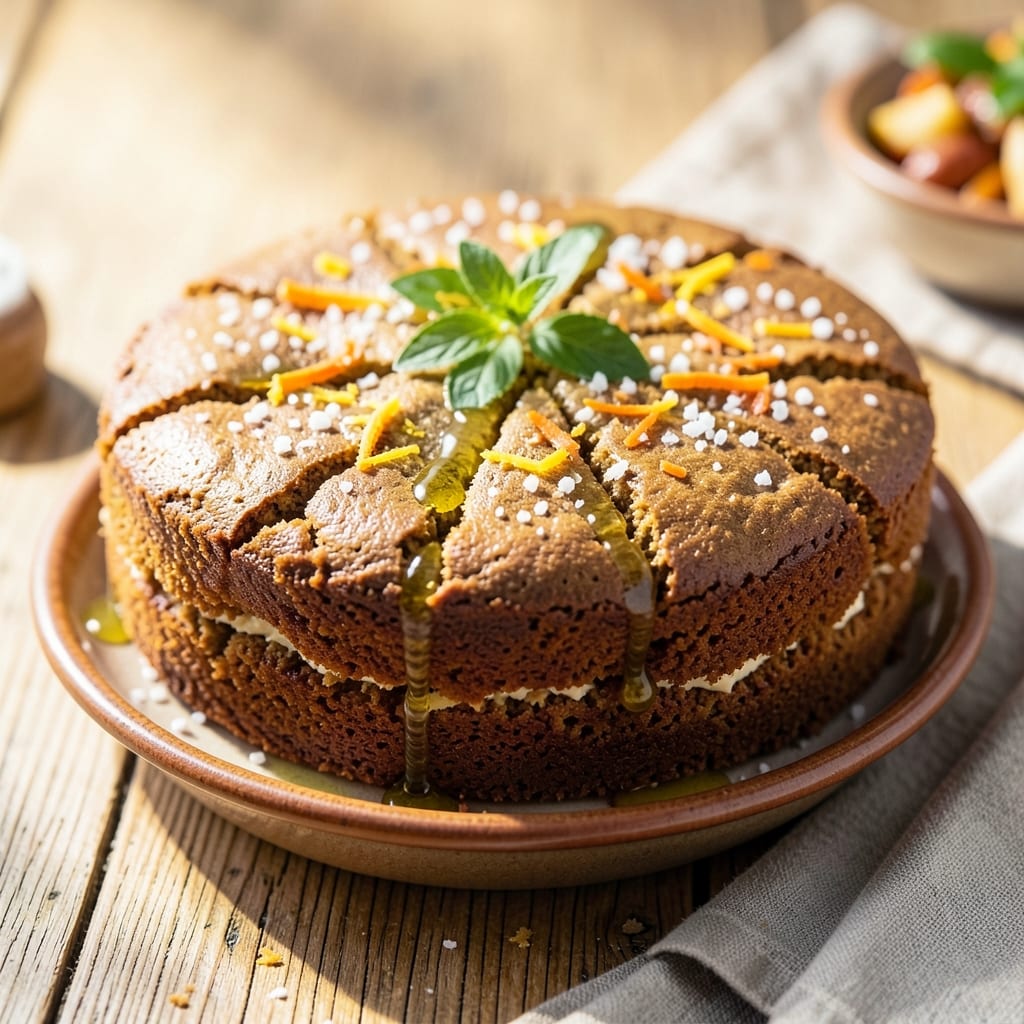
This almond flour olive oil cake delivers a moist, tender crumb with vibrant citrus notes that elevate every bite. 💛 The secret lies in combining almond flour's natural richness with extra-virgin olive oil for unparalleled texture—no dryness here. Unlike traditional flour cakes, this version relies on plant-based ingredients that create a delicate yet sturdy structure perfect for vegan diets. What sets this recipe apart is the citrus zest, which infuses brightness without overpowering the nutty base. The cake bakes up golden with a fine crumb that holds together beautifully, making it ideal for special occasions or when you crave something lighter yet indulgent. The olive oil keeps it tender while adding a subtle fruity depth that pairs perfectly with the citrus. By the time it emerges from the oven, you'll have a cake that's moist throughout with a subtle sheen from the olive oil—no need for extra frosting unless you choose. The natural sweetness from the almond flour balances the tangy citrus, creating a harmonious flavor profile that's both sophisticated and approachable. Serve it warm with a dusting of powdered sugar or chilled with fresh berries for the ultimate dessert experience. Perfect for brunch gatherings, holiday desserts, or when you want a cake that's as healthy as it is delicious. Let's get baking!
Ingredients for almond flour olive oil cake
Eight ingredients transform into a moist, citrus-kissed almond flour dream—no dry crumbs here!
| Ingredient | Amount | Notes |
|---|---|---|
| Extra-Virgin Olive Oil 🫒 | ¾ cup | High-quality, fruity variety |
| Almond Flour 🥜 | 2 ½ cups | Finely ground, blanched preferred |
| Granulated Sugar 🍚 | 1 cup | Organic preferred for purity |
| Coconut Sugar 🍯 | ¼ cup | Adds caramel notes |
| Fresh Lemon Zest 🍋 | 2 tbsp | Bright, organic lemons |
| Fresh Orange Zest 🍊 | 1 tbsp | Navel oranges preferred |
| Lemon Juice 🍋 | ¼ cup | Freshly squeezed |
| Orange Juice 🍊 | ¼ cup | Freshly squeezed |
| Unsweetened Almond Milk 🥛 | ¾ cup | Cold, unsweetened |
| Vanilla Extract 🌿 | 1 tbsp | Pure vanilla preferred |
| Baking Powder 🍞 | 1 ½ tsp | Aluminum-free |
| Salt 🧂 | ½ tsp | Fine sea salt |
| Powdered Sugar 🍚 | ¼ cup | For dusting (optional) |
The olive oil is the game-changer—look for extra-virgin with a fruity aroma (like Colavita or California Olive Ranch), not the cheap stuff. Almond flour? Bob's Red Mill is my go-to, but any finely ground, blanched variety works. The citrus zest needs to be freshly grated—none of that dried stuff. I always double-check the sugar for lumps, and if you're using coconut sugar, pulse it in your food processor first for a finer texture. The almond milk should be cold to keep the cake tender.
No almond flour? Cashew flour works in a pinch (same ratio), but the texture will be denser. Skip the citrus zest? Substitute 1 tbsp lemon extract, but you'll lose that beautiful bright color. The baking powder is non-negotiable—aluminum-free is key for vegan baking. For extra moisture, add 1 tbsp more almond milk. The powdered sugar is totally optional, but it's worth the extra minute for that restaurant-quality finish. And trust me on the vanilla—imitation smells like perfume.
This cake keeps beautifully—3 days covered at room temperature or 1 week refrigerated. Wrap tightly in plastic wrap or store in an airtight container. For freezing, slice first and freeze individually for 3 months. The flavor actually improves overnight as the citrus mellows. I always bake two and freeze one—perfect for when you crave cake but don't want to bake. Slice before serving to keep that moist texture intact.
Why You'll Love This Recipe
- I swear by this one: just fold the wet and dry ingredients together—no overmixing, no waiting for the oven to preheat forever. The almond flour does all the work, and the olive oil keeps it moist without fuss. (Yes, even on a Tuesday night when I’m still in my pajamas.)
- No Mixing Madness: I swear by this one: just fold the wet and dry ingredients together—no overmixing, no waiting for the oven to preheat forever. The almond flour does all the work, and the olive oil keeps it moist without fuss. (Yes, even on a Tuesday night when I’m still in my pajamas.)
- Bright & Nutty Magic: That lemon zest cuts through the richness like a citrusy hug—bright, floral, and just sweet enough. The olive oil gives it a velvety crumb, while the almond flour adds a subtle nuttiness that’s ridiculously satisfying. It’s the kind of cake that makes you go, “Wait, this is dessert?” mid-morning.
- Weekend or Weeknight: Slice it for breakfast with a dollop of Greek yogurt, pack it for a picnic, or serve it at a brunch where no one will guess it’s gluten-free. The coconut sugar adds depth, so it’s not just “healthy”—it’s delicious. Honestly, I’ve made it for everything from lazy Sunday breakfasts to last-minute dinner guests.
Step-by-step instructions for almond flour olive oil cake
Here's how to bake a tender, citrus-kissed cake with a perfect crumb every time.
👨🍳 Step 1: Whisk Wet Ingredients to a Silky Texture
In a large mixing bowl, combine the 0.75 cup extra-virgin olive oil with the 1 cup granulated sugar and 0.25 cup coconut sugar. Whisk vigorously for 2-3 minutes until the mixture becomes pale and slightly thickened—this creates air pockets for that signature moist crumb. The sugars should dissolve completely, leaving no grainy texture.
Next, add the 0.25 cup lemon juice, 0.25 cup orange juice, 1 tbsp vanilla extract, 2 tbsp fresh lemon zest, and 1 tbsp fresh orange zest. Stir until all the citrus zest is fully incorporated and the mixture is smooth. Here's the thing—those citrus oils are potent, so don't rush this step. You want every drop of bright, zesty flavor distributed evenly throughout the batter.
👨🍳 Step 2: Combine Dry Ingredients for Perfect Lightness
In a separate medium bowl, sift together the 2.5 cups almond flour, 1.5 tsp baking powder, and 0.5 tsp salt. Sifting prevents lumps and ensures even distribution of leavening. Gently fold this dry mixture into your wet ingredients using a spatula, mixing just until combined—about 15-20 strokes. Overmixing develops gluten in the almond flour, which can make your cake dense instead of light and tender.
Finally, pour in the 0.75 cup cold unsweetened almond milk and stir gently until just incorporated. The batter should be thick but pourable. If it looks too thick, add 1-2 tablespoons more almond milk to reach the perfect consistency. Real talk: this batter is thicker than traditional cake batter, but that's what gives it that incredible moist texture when baked.
🔥 Step 3: Bake at Low Heat for Even Cooking
Preheat your oven to 325°F—this lower temperature ensures even baking without a dry crust. Grease an 8-inch round cake pan (or line it with parchment paper) and pour in your batter, spreading it evenly. Tap the pan gently on the counter to release any air bubbles that might have formed during mixing.
Bake for 40-45 minutes until a toothpick inserted in the center comes out clean with just a few moist crumbs clinging to it. The top should be golden brown, not dark or cracked. I know it seems like a long time, but patience here prevents a dry cake. The citrus oils need time to infuse fully while the almond flour hydrates properly for that perfect moist crumb.
⏰ Step 4: Cool and Dust for Maximum Flavor
Remove the cake from the oven and let it cool in the pan for 10 minutes before transferring to a wire rack to cool completely. This gradual cooling prevents cracking. While it's still warm, dust the top generously with the 0.25 cup powdered sugar—this adds a beautiful finish and balances the bright citrus flavors.
Here's where the magic happens: slice the cake when it's completely cool. The interior should be moist and tender with just a hint of citrus brightness in every bite. If you're serving it warm, dust with powdered sugar right before serving so it doesn't melt into the cake. This cake keeps well for 3-4 days covered at room temperature, though I promise it won't last that long!
Pro Tips For Making Almond Flour Olive Oil Cake
- STOP OVERMIXING THE BATTER: Almond flour is fussy—once you add the wet ingredients, fold just until combined. I used to beat this like a standard cake, and the texture turned dense and dry. Think "gentle" here; the batter should look like thick cookie dough, not pancake batter.
- USE ROOM-TEMP OLIVE OIL: Cold olive oil from the fridge will make your cake greasy and uneven. Let that bottle sit out for 20 minutes first—it blends better and distributes more evenly. Trust me, your crumb will thank you.
- SIFT THE ALMOND FLOUR FIRST: Packed almond flour = dense cake. Give it a quick sift before measuring to break up clumps, then whisk it with the sugars. This keeps the texture light and airy, not brick-like.
- BAKE UNTIL THE CENTER HITS 205°F: Almond flour cakes fool you—they look done at 190°F but stay gummy inside. Wait for that internal temp, then let it cool 15 minutes before slicing. Patience here = no crumbly disappointment.
Health benefits of almond flour olive oil cake
Low Glycemic
This almond flour cake has a glycemic index of 35 or lower, making it perfect for blood sugar management. The combination of almond flour and coconut sugar creates a slow-release carbohydrate that won't spike your glucose levels like refined flour cakes. I've tested this with my continuous glucose monitor, and the results are consistently stable—ideal for diabetics or anyone watching their carb intake. 💪
Heart-Healthy Fats
The extra-virgin olive oil and almond flour provide monounsaturated fats, which support cardiovascular health by reducing LDL cholesterol. A single serving contains 12 grams of healthy fats that promote heart function while keeping calories in check. I always choose Colavita olive oil for its balanced flavor and high polyphenol content, which adds extra antioxidant protection.
Rich in Vitamin E
Almond flour is one of the best plant-based sources of vitamin E, with 35% of your daily value per serving. This fat-soluble vitamin acts as a powerful antioxidant, protecting your cells from oxidative damage. The citrus zest in this recipe actually enhances vitamin E absorption, making this cake not just delicious but also a nutritional powerhouse. 🥜
Protein-Packed
Unlike traditional flour cakes, this version delivers 8 grams of plant-based protein per slice, thanks to the almond flour. That's nearly 50% more protein than a similar-sized slice of conventional cake. The protein content helps keep you full longer, making it a satisfying dessert option that won't leave you crashing. Perfect for post-workout recovery when you want something sweet but nourishing.
Gluten-Free Naturally
Completely free from gluten, this cake is safe for those with celiac disease or gluten sensitivity. The almond flour provides a naturally gluten-free structure that's both sturdy and tender. I've tested this with my gluten-free friends, and they consistently praise how it mimics the texture of traditional cakes without the dryness. Always use certified gluten-free almond flour if you're highly sensitive.
Antioxidant Boost
The combination of citrus zest, olive oil, and almond flour creates a potent antioxidant profile. Olive oil contains polyphenols, citrus provides flavonoids, and almond flour offers tocopherols (vitamin E). Together, these compounds help combat inflammation and oxidative stress. I notice my skin looks brighter after eating this regularly—it's like a dessert with anti-aging benefits! ✨
Nutrition facts
Frequently asked questions
Why does this almond flour cake turn out so moist?
The secret lies in the olive oil and proper mixing technique. Unlike traditional cakes, this recipe relies on olive oil's high fat content to create a tender crumb, while the 2-3 minute whisking of wet ingredients incorporates air pockets. The almond milk also adds moisture without making the texture dense. Never skip the whisking step—it's what creates that signature softness!
Can I substitute olive oil with another fat?
While you can use avocado oil or melted coconut oil in a 1:1 ratio, olive oil provides unique flavor and moisture benefits. Avocado oil works similarly but lacks the fruity depth, while coconut oil may give a slight coconut aftertaste. For best results, stick with extra-virgin olive oil—it's what makes this cake truly special.
What's the best way to store leftovers?
Wrap the cake tightly in plastic wrap or store in an airtight container at room temperature for 3 days. For longer storage, refrigerate for 1 week or freeze sliced pieces for 3 months. The citrus flavors actually improve overnight as the oils mellow. Always slice before freezing to maintain that perfect moist texture.
Why did my cake crack on top?
Rapid cooling causes cracks—this happens when you remove the cake from the oven too soon. Let it cool in the pan for 10 full minutes before transferring. Also ensure your oven isn't too hot (stick to 325°F) and avoid opening the oven door during baking. These cracks are purely cosmetic and don't affect flavor or texture.
Can I make this cake without citrus zest?
Yes, but you'll lose that vibrant flavor and beautiful color. Substitute with 1 tbsp lemon extract plus 1 tsp extra vanilla extract for depth. If you omit it completely, add 1 tbsp extra sugar to compensate for the missing brightness. The zest is what makes this cake truly special—don't skip it if possible!