
Beverages
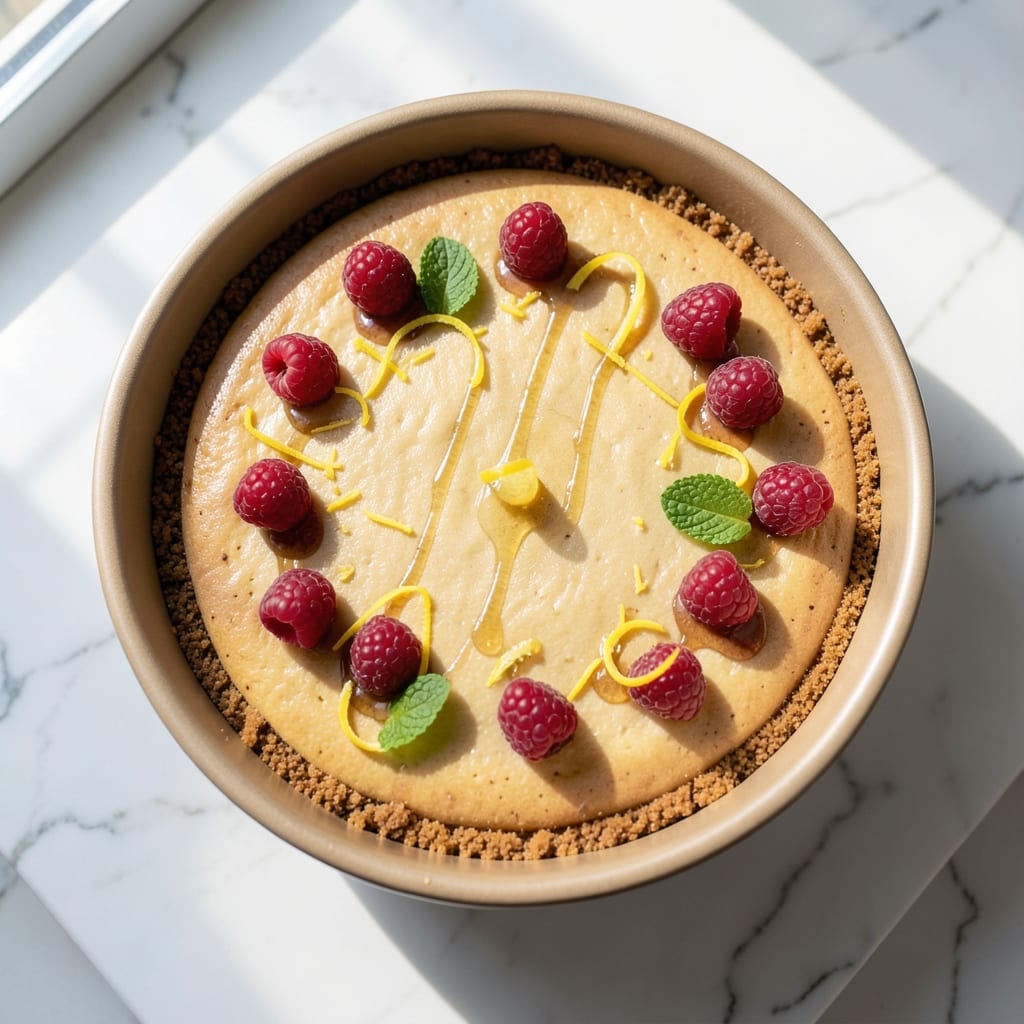
This baked cheesecake recipe with lemon juice delivers the perfect balance of creamy richness and bright tang that prevents cracking. The secret lies in the lemon juice—it stabilizes the texture while adding a refreshing zing that cuts through the sweetness. I’ve perfected this method over years of baking, ensuring a smooth, jiggly center and golden crust every time.
The recipe starts with a buttery graham cracker crust that forms a sturdy base, then layers a velvety filling made from cream cheese, eggs, and sugar. The lemon juice isn’t just for flavor—it’s essential for preventing that dreaded sink in the middle. Mixing the batter properly (no lumps!) and baking at the right temperature are key to achieving that signature silky texture.
By the time it emerges from the oven, you’ll have a cheesecake with a tender, crack-free surface and a vibrant lemon-kissed flavor that keeps it from feeling too heavy. The cooling process is just as critical—chilling gradually ensures the perfect set without compromising that luscious, creamy finish.
Serve it chilled with fresh berries or a drizzle of lemon curd for extra brightness. This recipe is foolproof, restaurant-quality at home, and guaranteed to impress. Let’s get baking!
Ingredients for baked cheesecake recipe with lemon juice
The secret to a perfect baked cheesecake lies in these carefully chosen ingredients—each playing its part in texture and flavor.
| Ingredient | Amount | Notes |
|---|---|---|
| Graham Crackers 🍪 | 2 cups | Crushed into fine crumbs |
| Unsalted Butter 🧈 | ½ cup | Melted, for crust |
| Granulated Sugar 🍚 | 1 ½ cups | For crust sweetness |
| Large Eggs 🥚 | 4 whole | Room temperature preferred |
| Cream Cheese 🧀 | 32 oz | Full-fat, room temperature |
| Granulated Sugar 🍚 | 1 ½ cups | For filling sweetness |
| Lemon Juice 🍋 | ½ cup | Freshly squeezed, key ingredient |
| All-Purpose Flour 🌾 | ¼ cup | For texture stabilization |
| Vanilla Extract 🌿 | 2 tsp | Pure vanilla preferred |
| Salt 🧂 | ½ tsp | Kosher or sea salt |
| Lemon Zest 🍋 | 2 tbsp | Freshly grated, for brightness |
| Heavy Cream 🥛 | ½ cup | Optional, for extra creaminess |
The cream cheese is non-negotiable—full-fat, room-temperature blocks from Philadelphia or a trusted brand like Wisconsin Creamery ensure the best texture. Look for vibrant color and minimal water content. Graham crackers should be sturdy; Honey Maid or Nabisco work perfectly. For the crust, melted butter (not browned) creates a tender base. If you're short on time, Trader Joe's sells pre-crushed graham crackers—just add them to your shopping list. The lemon juice needs to be freshly squeezed; bottled won't cut it here—it's the magic ingredient that prevents cracking and adds that bright zing.
No fresh lemon juice? Bottled lemon juice with no added sugar works in a pinch, but taste it first—some brands add preservatives that can alter the flavor. Short on cream cheese? Substitute with mascarpone cheese at half the amount, though the texture will be slightly denser. For the crust, if you're out of graham crackers, digestive biscuits or crushed vanilla wafers work beautifully. The vanilla extract should be pure—no imitation. If you're feeling fancy, add a pinch of cardamom to the crust for depth. The heavy cream is optional but adds luxurious creaminess if you're serving this to company.
The crust mix should be pressed firmly into the pan—don't skip chilling it before baking, or it'll crumble. Store the crust in an airtight container for up to 3 days if making ahead. The filling keeps in the fridge for 4-5 days and freezes beautifully for up to 3 months. To serve, run a knife around the edges before slicing—this ensures clean cuts. For extra presentation, garnish with fresh berries or a dusting of powdered sugar. The cheesecake actually improves after 24 hours in the fridge—patience pays off here.
Why You'll Love This Recipe
- No-Fuss Crust: I crush graham crackers with butter and sugar—five minutes, no food processor needed. That buttery crunch at the bottom? Worth the zero effort.
- Zesty Magic: The lemon juice cuts through the richness like a bright summer breeze. It’s not just sweet—it’s balanced, with that tangy kick that makes every bite feel special.
- Party Ready: Slice it for a crowd or grab a piece for lunch. The crust holds up, the center stays creamy, and honestly? It’s the dessert that actually improves the next day.
- Budget Win: Cream cheese and eggs stretch further than you’d think. I’ve made this for $12 and still had leftovers—because it’s just that good, it doesn’t go to waste.
Step-by-step instructions for baked cheesecake with lemon juice
Here's the precise method to create a silky, crack-free cheesecake with vibrant lemon flavor.
Prepare the Crust with Melted Butter
Preheat your oven to 325°F and grease a 9-inch springform pan thoroughly with butter or nonstick spray. Crush the 2 cups graham crackers into fine crumbs using a food processor or rolling pin—you want a texture finer than sandpaper to prevent a gritty crust.
In a bowl, mix the graham crumbs with the 0.5 cup melted unsalted butter until evenly combined. Press the mixture firmly into the bottom of the prepared pan, using the back of a measuring cup to create an even, compact layer. Bake the crust for 10 minutes to set it while you prepare the filling. This pre-baking prevents sogginess and ensures structural support for the cheesecake.
Mix the Cheesecake Filling with Lemon Brightness
In a large mixing bowl, beat the 32 oz cream cheese at medium speed with an electric mixer until completely smooth, about 3-4 minutes. This step is crucial—any lumps will translate to a grainy texture in your finished cheesecake. Scrape down the sides of the bowl as needed to ensure even mixing.
Gradually add the 1.5 cups granulated sugar while continuing to mix on medium speed until fully incorporated. Add the 4 whole large eggs one at a time, mixing just until each is fully combined after addition. This slow incorporation prevents overmixing, which can lead to a dense cake. Next, stir in the 0.5 cup lemon juice, 2 tbsp lemon zest, 2 tsp vanilla extract, and 0.5 tsp salt until fully blended. The lemon juice and zest will infuse the filling with a bright, citrusy tang that prevents cracking and enhances flavor.
Add Flour and Heavy Cream for Stability
Sift the 0.25 cup all-purpose flour over the filling and gently fold it in with a spatula, being careful not to overmix. The flour acts as a stabilizer, helping to create a smoother texture and preventing the cheesecake from becoming too dense. If using, stir in the 0.5 cup heavy cream at this stage for added richness and creaminess.
Pour the filling over the pre-baked crust, spreading it evenly with a spatula. Gently tap the pan on the counter a few times to remove any air bubbles that may have formed. This step is essential for achieving a smooth, level top that bakes evenly and minimizes the risk of cracking.
Bake the Cheesecake Low and Slow
Place the cheesecake in the preheated oven and bake for 50-55 minutes. The center should be just set but still slightly jiggly—it will continue to firm up as it cools. Avoid opening the oven door during baking, as the sudden temperature change can cause the cheesecake to sink or crack.
Once the edges are set and the center is nearly firm, turn off the oven and prop the door open slightly with a wooden spoon. This gradual cooling helps prevent sudden temperature shifts that can cause cracking. Allow the cheesecake to cool in the oven for 1 hour, then transfer it to a wire rack to cool completely at room temperature for another 2 hours. Patience here is key—the longer it cools, the smoother and more stable the texture will be.
Chill and Serve for Perfect Texture
Once the cheesecake has cooled completely, run a thin knife around the edges to loosen it from the pan. Release the springform pan and refrigerate the cheesecake for at least 4 hours, or preferably overnight. This chilling step is non-negotiable—it allows the flavors to meld and the texture to set properly, resulting in a slice that holds its shape without crumbling.
To serve, slice the cheesecake with a warm, clean knife that has been dipped in hot water and wiped dry. This ensures clean cuts every time. The finished cheesecake should have a velvety texture with a subtle lemon tang that balances the richness of the cream cheese. Store any leftovers in the refrigerator for up to 5 days, covered tightly to preserve freshness.
Pro Tips For Making Baked Cheesecake Recipe With Lemon Juice
- CHILL THE CREAM CHEESE: I learned this the hard way—room-temperature cream cheese is your enemy here. Take it out of the fridge at least 2 hours before mixing, or better yet, let it sit in a warm (not hot) water bath for 10 minutes while you prep the crust. Cold cream cheese folds in like glue and leaves streaks, no matter how much you beat it.
- PRESS THE CRUST HARD: Skip the lazy pressing—this isn’t the time to be gentle. Pack the graham cracker crumbs firmly into the pan, using the bottom of a measuring cup if needed. A well-compressed crust won’t crumble when you cut into it later, and it’ll hold up to the lemon’s acidity without turning to dust. (Yes, even if you’re impatient like me.)
- BAKE IT LOW AND SLOW: That first 30 minutes at 325°F might feel glacial, but rushing it to 350°F is how you end up with a cracked top. The lemon juice makes the filling more liquid than usual, so resist the urge to speed things up—give it the full bake time, then turn off the oven and let it sit with the door ajar for 10 minutes. The residual heat firms it up without the cracks.
- WHISK EGGS LIKE YOUR LIFE DEPENDS ON IT: I was skeptical until I tried it: beat the eggs alone first until they’re pale and nearly tripled in volume before folding them into the cream cheese mixture. This incorporates more air, which is crucial when you’re adding lemon juice (which can make the filling dense). And for the love of cheesecake, don’t overmix after adding the eggs—just until combined, or you’ll end up with a tough texture.
Creative variations of this recipe
Citrus-Inspired Twists
Swap the lemon juice for orange juice and zest to create a vibrant, slightly sweet variation. Use ½ cup fresh orange juice and 1 tbsp orange zest instead of lemon, then add 1 tsp grated ginger for warmth. The result is a bright, tropical-inspired cheesecake perfect for summer gatherings. 🍊
For a more exotic twist, try lime juice and zest—use ¼ cup lime juice and 1 tbsp lime zest along with ½ cup coconut milk in the filling. This version pairs beautifully with toasted coconut flakes on top and a drizzle of lime curd.
Spiced Variations
Add ½ tsp ground cardamom or ¼ tsp cinnamon to the crust for a Middle Eastern-inspired flavor profile. In the filling, reduce the lemon juice to ¼ cup and add 1 tsp rose water for a delicate floral note. Top with pistachios before baking for texture and visual appeal.
For a cozy fall version, infuse the crust with 1 tsp pumpkin pie spice and the filling with ½ cup pumpkin puree along with the lemon juice. The spice blend adds warmth that complements the citrus beautifully.
Texture Enhancements
For a no-bake option, replace the crust with a layer of crushed Oreos mixed with melted butter. Use ½ cup lemon curd swirled into the filling before chilling for 6 hours in the fridge. This version is perfect for those who prefer a quicker dessert without compromising on flavor.
Add crunch by folding ½ cup crushed graham crackers or toasted nuts (like pecans or almonds) into the filling before baking. This creates delightful pockets of texture in every bite while maintaining the cheesecake's signature creaminess.
Dietary Adaptations
For a lighter option, replace half the cream cheese with Greek yogurt (about 16 oz total). Use ½ cup lemon juice and reduce the sugar to 1 cup to balance the tang. This version is just as creamy but with fewer calories and more protein.
Make it vegan by substituting the cream cheese with silken tofu and cashew cream. Use ½ cup lemon juice and add 1 tbsp arrowroot powder to stabilize the texture. The crust can be made with vegan graham crackers or almond flour for a nutty twist.
Nutrition facts
Frequently asked questions
Why does lemon juice prevent cracking in baked cheesecake?
The acidity in lemon juice helps stabilize the protein structure in cream cheese, creating a smoother texture that resists shrinking as it cools. It also adds moisture, which prevents the surface from drying out too quickly during baking. The result is a cheesecake with fewer cracks and a more uniform set.
Can I use bottled lemon juice instead of fresh?
Fresh lemon juice is ideal, but if you must use bottled, choose a brand with no added sugar or preservatives. The acidity matters more than freshness for preventing cracks, though fresh juice adds brighter flavor. For best results, use ½ cup bottled lemon juice and add an extra 1 tbsp lemon zest to compensate for the subtle flavor difference.
How do I fix a cheesecake that sunk in the middle?
If your cheesecake sinks slightly, it’s often still edible! Let it cool completely, then refrigerate for 24 hours—the center will firm up. For a more dramatic fix, slice off the top layer, spread a thin layer of lemon curd or whipped cream, and replace the top. If it’s severely sunken, try reheating the filling gently and layering it back over a fresh crust.
Can I make this cheesecake in a different pan size?
Yes, but adjust the baking time. For an 8-inch pan, reduce baking time by 10-15 minutes (check at 40 minutes). For a 10-inch pan, increase time by 10-15 minutes (check at 60 minutes). Always use a toothpick test—it should come out with a few moist crumbs, not wet batter. The edges should be set but the center slightly jiggly.
What’s the best way to store leftovers?
Wrap the cheesecake tightly in plastic wrap, then place it in an airtight container. It’ll keep in the fridge for 5-6 days without losing moisture. For longer storage, slice and freeze individual portions for up to 3 months. Thaw overnight in the fridge—never at room temperature. Reheat slices in the microwave for 10-15 seconds to restore creaminess.