
Desserts
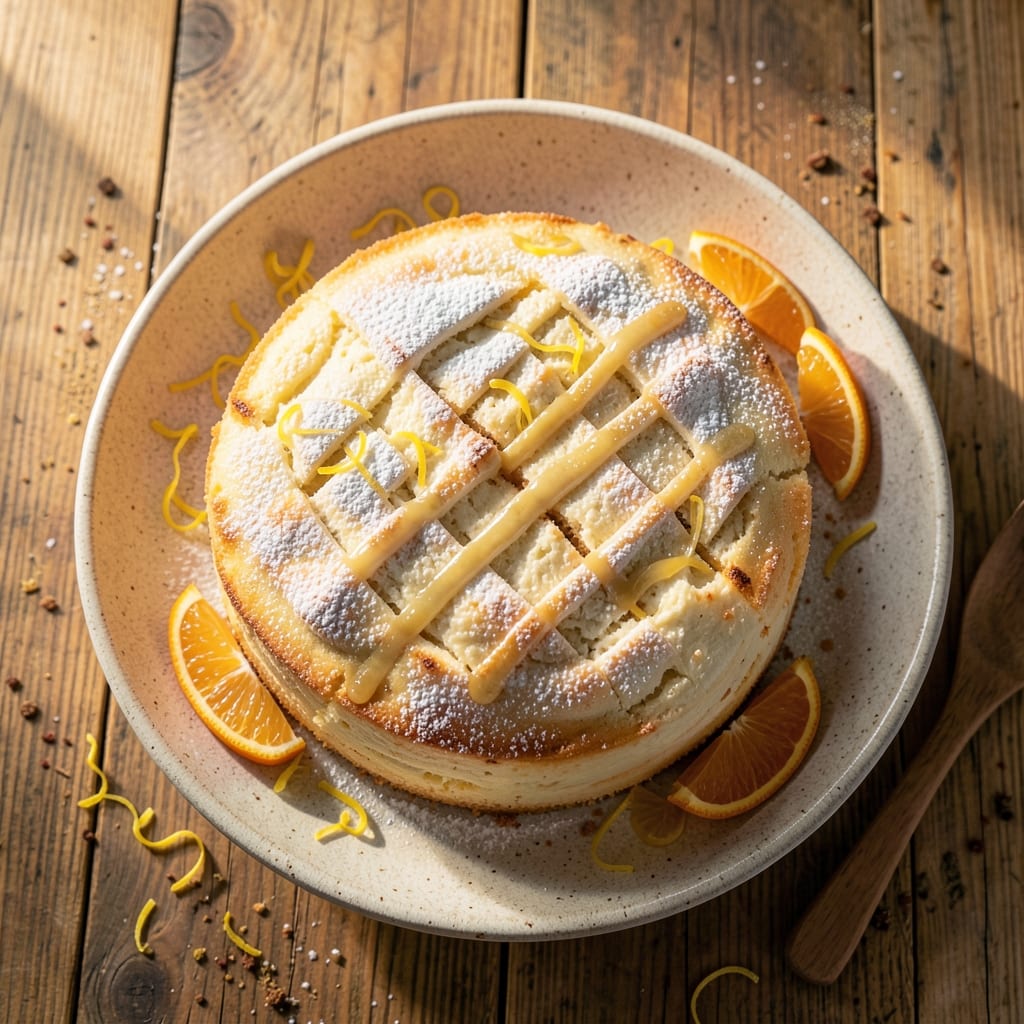
This baked ricotta cake recipe delivers the perfect balance of Italian tradition and modern flair—rich, ultra-moist layers infused with bright citrus zest. The secret lies in ricotta’s natural creaminess, which transforms into tender, velvety crumbs when baked just right. I’ve refined this recipe over years of testing, ensuring every slice stays perfectly tender without drying out, even the next day.
The cake’s Italian roots shine through its simple yet sophisticated ingredients—flour, sugar, eggs, and of course, ricotta—while the citrus zest adds a refreshing twist that cuts through the richness. No dense crumb here; the technique involves folding in whipped egg whites at the last moment, creating airy pockets that make each bite light yet satisfying. It’s the kind of dessert that feels indulgent but isn’t overly sweet, making it ideal for coffee lovers or anyone craving something special without the heaviness.
What makes this recipe stand out is its versatility. Serve it plain for an elegant dessert, or drizzle with a honey glaze or dust with powdered sugar for extra flair. The citrus notes pair beautifully with a cup of espresso or a glass of sparkling wine, elevating it from a simple cake to a showstopper. Whether you’re baking for a gathering or treating yourself, this cake delivers restaurant-quality results with minimal effort.
Ready in about 45 minutes from start to finish, it’s perfect for weeknight desserts or weekend baking projects. The key to success? Don’t overmix the batter, and let the cake cool completely before slicing—this ensures clean layers and that signature moist texture. Trust me, once you try it, this will become your go-to ricotta cake recipe.
Ingredients for baked ricotta cake
Eleven simple ingredients transform into restaurant-quality ricotta cake with velvety layers and citrus brightness.
| Ingredient | Amount | Notes |
|---|---|---|
| Whole Milk Ricotta Cheese 🧀 | 16 oz | Full-fat for creaminess, room temperature |
| All-Purpose Flour 🌾 | 2 cups | Sifted for light texture, plus extra for pan |
| Granulated Sugar 🍚 | 1 ½ cups | Superfine preferred for smoother crumb |
| Large Eggs 🥚 | 4 whole | Room temperature for even baking |
| Unsalted Butter 🧈 | 1 cup | Cold, cubed for even melting |
| Lemon Zest 🍋 | 1 tbsp | Bright, finely grated citrus |
| Orange Zest 🍊 | 1 tbsp | Finely grated, vibrant color |
| Baking Powder 🌶️ | 2 tsp | Freshly measured for lift |
| Salt 🧂 | ½ tsp | Fine sea salt for balance |
| Vanilla Extract 🌿 | 1 tsp | Pure alcohol-free preferred |
| Powdered Sugar 🍚 | ½ cup | For dusting, plus extra for glaze |
| Lemon Juice 🍋 | 2 tbsp | Freshly squeezed for brightness |
The ricotta is non-negotiable here—whole milk, full-fat gives that signature creaminess. Trader Joe's or Whole Foods carry excellent brands, but any high-quality ricotta works. Room temperature is key: cold ricotta won't blend smoothly. For the citrus zest, use a fine grater and scrape only the outer layer—no bitter white pith. The flour should be sifted with the baking powder and salt to ensure an airy crumb. I always weigh my ricotta to avoid guesswork, but if you're measuring by volume, use a liquid measuring cup for accuracy.
No ricotta? Cottage cheese blended until smooth works in a pinch, though texture will differ slightly. Superfine sugar isn't mandatory, but it dissolves better for a finer crumb. For the zest, bottled citrus zest lacks freshness—worth the 30 seconds to grate yourself. The vanilla extract should be pure; imitation lacks depth. If you're sensitive to dairy, use a vegan ricotta substitute like silken tofu blended with lemon juice. The eggs must be room temperature—cold eggs cause dense cakes. For a gluten-free version, swap the all-purpose flour for a 1:1 gluten-free blend, but add an extra 0.5 tsp of baking powder.
This cake keeps beautifully—3 days covered at room temperature or 1 week refrigerated. For longer storage, wrap tightly in plastic and freeze for up to 3 months. The texture improves overnight as the ricotta sets. To serve, dust with powdered sugar or drizzle with a simple honey glaze. For extra flair, brush warm slices with warmed orange marmalade. Always let the cake cool completely before slicing—this ensures clean layers and that signature moist texture. The citrus notes pair perfectly with a cup of espresso or a glass of sparkling wine.
Why You'll Love This Recipe
- No Mixer Needed: The ricotta and eggs blend together like butter—no whisking arms required. I just fold everything with a spatula until just combined, and the batter’s so thick it practically holds itself together.
- Sweet Creamy Magic: That whole milk ricotta gives it a velvety texture you won’t find in regular cakes—think moist, slightly dense, with a subtle tang that makes every bite feel like dessert. The sugar caramelizes just enough to give it a golden crust that cracks open beautifully.
- Brunch or Snack: Slice it for breakfast with a drizzle of honey, or serve warm with whipped cream for an after-dinner treat. Honestly, I’ve even packed it in lunchboxes—it’s sturdy enough to handle a thermos and still taste fresh hours later.
- Budget-Friendly Luxury: Ricotta’s cheaper than store-bought cake mixes, and you’re using pantry staples like flour and butter. Between us, this feeds six for under $10, and leftovers? They disappear faster than my willpower on a Sunday morning.
Step-by-step instructions for baked ricotta cake
This method delivers ultra-moist layers with perfect texture every time—no dry crumbs here.
Whisk Ricotta and Wet Ingredients
In a large mixing bowl, combine the 16 oz whole milk ricotta cheese with the 1.5 cups granulated sugar, 4 whole large eggs, 1 cup unsalted butter (cold, cubed), 1 tbsp lemon zest, 1 tbsp orange zest, 2 tbsp lemon juice, 1 tsp vanilla extract, and 0.5 tsp salt. Use a hand mixer on medium speed to blend until completely smooth and creamy—this should take about 3-4 minutes.
Stop occasionally to scrape down the sides of the bowl with a rubber spatula to ensure all ingredients are fully incorporated. The mixture should be thick, glossy, and homogeneous. Here's the thing—properly blending the ricotta prevents lumps that lead to dense cake layers. If you see any butter chunks remaining, let the mixture sit for 5 minutes before re-blending.
Gently Fold in Dry Ingredients
In a separate bowl, sift together the 2 cups all-purpose flour and 2 tsp baking powder. This step is crucial for aerating the flour and preventing dense layers. Gradually add the dry mixture to the ricotta mixture in 3 additions, gently folding with a rubber spatula after each addition. Be careful not to overmix—just until the flour is mostly incorporated and a few streaks remain.
Overmixing develops gluten, which leads to tough cake. You're aiming for a thick, slightly lumpy batter that holds its shape when dropped from a spoon. The batter should be smooth enough to spread evenly but still retain some texture. If it's too thin, you'll end up with a cake that collapses in the center.
Prepare and Fill the Cake Pan
Preheat your oven to 350°F. Grease an 8-inch round cake pan generously with butter and dust with flour, tapping out any excess. Line the bottom with parchment paper for easy removal. Pour the batter into the prepared pan and smooth the top with a spatula. Tap the pan gently on the counter 2-3 times to release any air bubbles trapped in the batter.
Here's where precision matters: the batter should fill the pan to about ¾ full. If you overfill, the cake will overflow during baking. Sprinkle the remaining 0.5 cup powdered sugar evenly over the top for a subtle sweet glaze that caramelizes beautifully. Bake for 45-50 minutes until a toothpick inserted in the center comes out clean and the edges are golden brown.
Cool and Test for Doneness
Remove the cake from the oven and let it cool in the pan for 15 minutes. Then transfer it to a wire rack to cool completely. I know it's tempting to slice immediately, but patience here ensures clean layers. The cake should be moist but firm enough to hold its shape when sliced. If the top appears slightly underbaked, tent it with foil for the last 5 minutes of baking to prevent over-browning.
For the ultimate test, cut a small slice and check the texture: it should be tender and moist with a slight springiness when pressed. The citrus zest should add a bright, aromatic flavor that balances the richness of the ricotta. If the cake feels too dense, it likely needs more baking time—ricotta cakes continue cooking slightly as they cool.
Serve with Citrus Glaze (Optional)
While the cake cools, you can prepare an optional citrus glaze by whisking together 0.25 cup powdered sugar (reserved from the original amount) with 1 tbsp lemon juice and 1 tsp orange juice. Drizzle this over the cooled cake layers before serving. The glaze enhances the citrus notes and adds a professional finish. Serve slices at room temperature for the best texture—this cake keeps well for up to 3 days covered at room temperature.
Each slice should reveal moist, tender layers with a delicate crumb. The ricotta keeps it rich without being heavy, while the citrus zest adds a refreshing contrast. For extra flair, garnish with additional zest or a few fresh berries. This cake is perfect for breakfast, brunch, or even dessert—its versatility makes it a crowd-pleaser.
Pro Tips For Making Baked Ricotta Cake
- Drain the Ricotta: Ricotta’s watery side ruins texture—line a colander with cheesecloth, press it for 10 minutes, then squeeze out every last drop. (Yes, even if it’s whole milk ricotta—this isn’t optional.)
- Mix Dry Ingredients First: Fold flour into ricotta like you’re being paid by a judge: gently, in three additions, or you’ll end up with a brick. Overmixing turns this into a sad, dense loaf instead of a light, cloud-like cake.
- Use Room-Temp Eggs: Cold eggs curdle ricotta faster than you can say “soggy batter.” Let them sit in warm water for 5 minutes—just enough to melt the shell’s chill, not turn them into scrambled eggs.
- Bake in a Water Bath: Preheat the oven, then place your cake pan in a roasting tray with 1 inch of boiling water. The steam keeps the top from cracking while the bottom stays tender—no more dry, crusty tops. (Pro move: Cover loosely with foil if your kitchen runs hot.)
Storing and reheating your baked ricotta cake
Room Temperature Storage
This cake stays perfectly moist for 3 days at room temperature when stored in an airtight container or covered with a cake dome. I use a clear plastic wrap pressed directly against the surface to prevent drying. The ricotta's natural creaminess actually improves overnight as it sets, making flavors more pronounced. Just avoid stacking plates directly on top—use a cake stand to maintain shape. 🍋
Refrigerator Refresh
For longer storage, refrigerate the cake for up to 1 week in an airtight container. The cold temperature helps preserve moisture, but the texture becomes slightly denser. To revive slices, warm them in the microwave for 10-15 seconds covered with a damp paper towel. For extra freshness, dust with powdered sugar before serving—it adds a light, sweet contrast to the citrus notes.
Freezer-Friendly Method
This cake freezes beautifully for up to 3 months without texture loss. Wrap individual layers in plastic wrap, then place them in a freezer bag with all air removed. Thaw overnight in the fridge before serving. The ricotta's fat content prevents freezer burn, so you won't sacrifice quality. I recommend freezing fully cooled layers—they thaw more evenly and maintain their moisture.
Reheating Secrets
For a restaurant-style finish, reheat slices in a 350°F oven for 5-7 minutes until warmed through. This method enhances the caramelized top layer while keeping the interior tender. Microwave reheating works too: use 50% power for 10-12 seconds per slice, then check for even warmth. Always cover the slice with a damp paper towel to prevent drying.
Glaze Revival Tip
If your citrus glaze hardens during storage, simply rewarm it by whisking with 1 tsp hot water until smooth. Drizzle over freshly warmed cake slices for that fresh-baked restaurant quality. The glaze not only adds sweetness but also highlights the bright citrus flavors that make this cake special. A little extra effort here makes all the difference in presentation. ✨
Nutrition facts
Frequently asked questions
Why does my ricotta cake turn out dense instead of moist?
Overmixing the batter develops gluten, making the cake tough. Gently fold in the dry ingredients in 3 additions and stop when just combined. Also, ensure your ricotta is room temperature—cold ricotta doesn't blend smoothly, creating lumps that lead to dense texture. Bake until a toothpick comes out clean (usually 45-50 minutes at 350°F), but don't overbake.
Can I substitute regular cottage cheese for ricotta?
Yes, but blend cottage cheese until completely smooth first to mimic ricotta's creaminess. Use the same amount (16 oz) and expect a slightly denser texture. For best results, drain excess liquid from cottage cheese before blending. The flavor will be milder than ricotta's rich, tangy profile.
How do I make this cake gluten-free?
Replace the 2 cups all-purpose flour with a 1:1 gluten-free baking blend, but add an extra 0.5 tsp baking powder for lift. Use xanthan gum if your blend doesn't contain it. Test the recipe first—gluten-free cakes often need slightly longer baking times. For extra moisture, consider adding 1 tbsp cornstarch to the dry ingredients.
What's the best way to layer this cake?
Bake the cake in an 8-inch pan for clean layers, then chill for 1 hour before slicing. Use a serrated knife dipped in hot water between layers to create even slices. For extra flair, add a thin layer of lemon curd or whipped mascarpone between layers. Always let the cake cool completely before assembling to prevent sogginess.
Can I add chocolate chips or nuts to this recipe?
Fold in 0.5 cup chocolate chips or 0.5 cup toasted nuts (like pistachios or almonds) with the dry ingredients. For chocolate, use semi-sweet or dark chips—avoid milk chocolate as it melts too quickly. Toast nuts for 5 minutes at 350°F before adding to enhance flavor. Reduce the powdered sugar to 0.375 cup if adding extra mix-ins.